

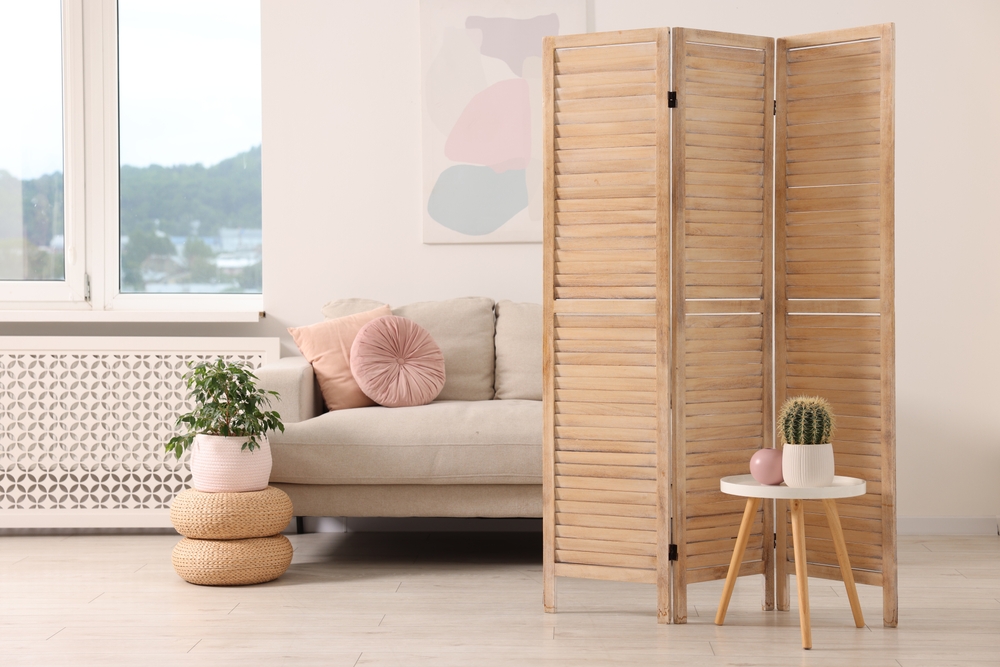
Room divider screens offer a practical and stylish solution for those looking to enhance and organise their living spaces. These versatile pieces of furniture are perfect for creating distinct areas within a single room. Whether in a home, office, or commercial setting, room divider screen options accommodate various needs and aesthetic preferences.
Why Use a Room Divider Screen?
Room dividers serve as effective barriers, providing privacy when needed, without the permanence of a wall. They can range from simple and functional designs to elaborate and decorative masterpieces. Many individuals utilise them to segment living rooms, create home offices, or even add a touch of elegance to a space.
Privacy and Functionality
In open-plan homes, privacy can sometimes be a major concern. Here, room dividers play their most crucial role. By blocking specific areas, one can efficiently create intimate spaces or designated work areas, enhancing functionality without isolating oneself entirely from the rest of the home.
Decorative Appeal
A well-chosen room divider screen can become a focal point in any room. With options available in various materials such as wood, metal, fabric, and glass, they cater to a wide range of tastes. Some screens come with intricate patterns, artistic designs, or bold colours that can complement or contrast existing home decor.
Types of Room Divider Screens
Various types of room dividers cater to different preferences and needs. Traditional folding screens, for instance, are highly popular due to their portability and ease of use. Sliding dividers offer a modern solution, seamlessly integrating into contemporary spaces.
Panels and Partitions
Panel dividers, which typically consist of two or more panels, provide remarkable flexibility. They can be expanded or condensed depending on the need and space, making them ideal for both large and small environments.
Freestanding and Permanent
Freestanding room dividers require no installation and can be easily moved, offering excellent versatility. Permanent dividers, on the other hand, might involve more installation work but provide a more stable solution, ideal for long-term use.
Choosing the Right Room Divider
When selecting a room divider screen, it is important to consider the intended function, design preferences, and the overall aesthetic of the space. The size of the room and the amount of light desired should also influence the decision. For example, a glass screen could be more appropriate for a dimly lit room, as it allows light to pass through, while a wooden panel may suit a room needing more privacy.
Material and Durability
Material selection is crucial, not only for aesthetic purposes but also for durability. Wooden screens are timeless and robust, whereas fabric options may provide a lighter, more casual feel. Consider the maintenance requirements of each material as well—some may require regular cleaning or treatment to retain their appearance.
Placement and Arrangement
The position of a room divider screen within a space can significantly impact both function and feel. Placing a divider near an entryway might create a more inviting entrance, while positioning it in the middle of a room can delineate different functional zones.
Maximising Space
For those living in smaller homes or apartments, using a room divider creatively can maximise the efficiency of the space. Open shelving units, for example, not only act as screens but also provide additional storage, enhancing the functionality of the room.
Enhancing Aesthetics
Finally, room divider screens can be an art form in themselves. By choosing a screen with a unique design, homeowners can infuse personal style into their spaces. Opting for custom-made pieces ensures a perfect fit for any interior design scheme.
In conclusion, room divider screens are an excellent addition to any room, providing both practicality and enhancement of aesthetic appeal. With numerous designs and materials available, they enable the creation of tailored spaces that meet the specific requirements of any setting.
