

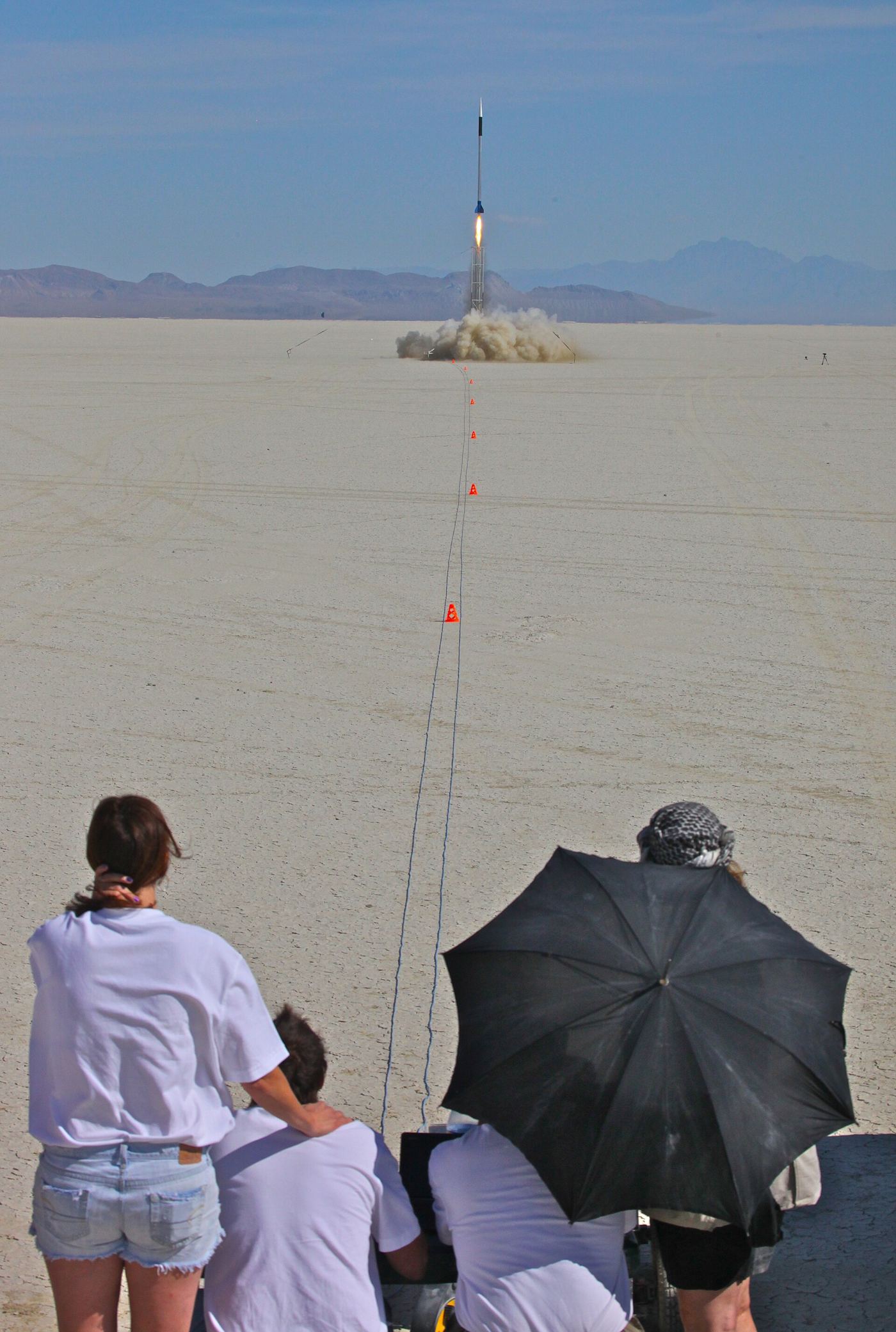
A Vulcan rocket operated by United Launch Alliance, a joint venture of Boeing and Lockheed Martin, failed nearly ten minutes after liftoff from Florida, destroying all 40 Amazon Leo internet satellites on board. The mission was meant to add to Amazon’s growing constellation of broadband satellites, which aims to compete with SpaceX’s Starlink network. Instead the vehicle was lost during flight, in a serious setback for both the rocket programme and Amazon’s plans to roll out global internet coverage from low Earth orbit. The satellites were part of Amazon’s Project Kuiper, a planned network of more than 3,000 spacecraft intended to deliver broadband internet to homes and businesses around the world. The loss is a blow to the project, which is already competing against a rival constellation that has been launching for years and already serves millions of customers.
What the Evidence Shows
Investigators will now examine telemetry and debris data to establish what went wrong, while Amazon assesses the impact on its deployment schedule. Losing 40 satellites in a single failure is costly, but constellation operators build their plans around the expectation that some launches will fail, and replacement spacecraft are usually already in production. The incident also puts fresh scrutiny on the Vulcan rocket, which is central to United Launch Alliance’s future and to several United States government missions. A return to flight will depend on identifying and fixing the fault. United Launch Alliance will now work with regulators and insurers to determine the cause, a process that can take weeks or months, and the findings will shape when the rocket is cleared to fly again. For Amazon, the setback underlines the risks of building a satellite network, where each launch carries millions of dollars of hardware and a single failure can delay service by months. Reporting and analysis from sources such as Reuters track the same developments, and specialists following the Vulcan rocket failure that destroyed 40 satellites say the direction is now consistent across independent lines of evidence.
The Wider Context
The wider context is a public conversation conducted at a speed institutions were not built for. Developments around the Vulcan rocket failure that destroyed 40 satellites are announced, contested and revised within a single news cycle, and the officials involved have learned to publish evidence alongside claims so that scrutiny can actually occur. Trust, the polling suggests, follows that transparency more than it follows confidence.
What Happens Next
What happens next in the story of the Vulcan rocket failure that destroyed 40 satellites will be decided in the places where it is being implemented, measured and argued about in public. The officials and organisations involved have committed to publishing progress data, and that commitment gives residents, businesses and journalists something firmer than promises to judge. The next milestones are dated, which means they can be checked. You can follow related developments in our coverage of news.
There is a practical lesson in all of this for readers deciding what to do today. Start with the verified facts, be wary of anyone promising certainty, and prefer reversible steps while the evidence is still developing. Circumstances differ by country, income and personal situation, so general guidance should always be weighed against your own context before you act on it in any significant or lasting way.
