

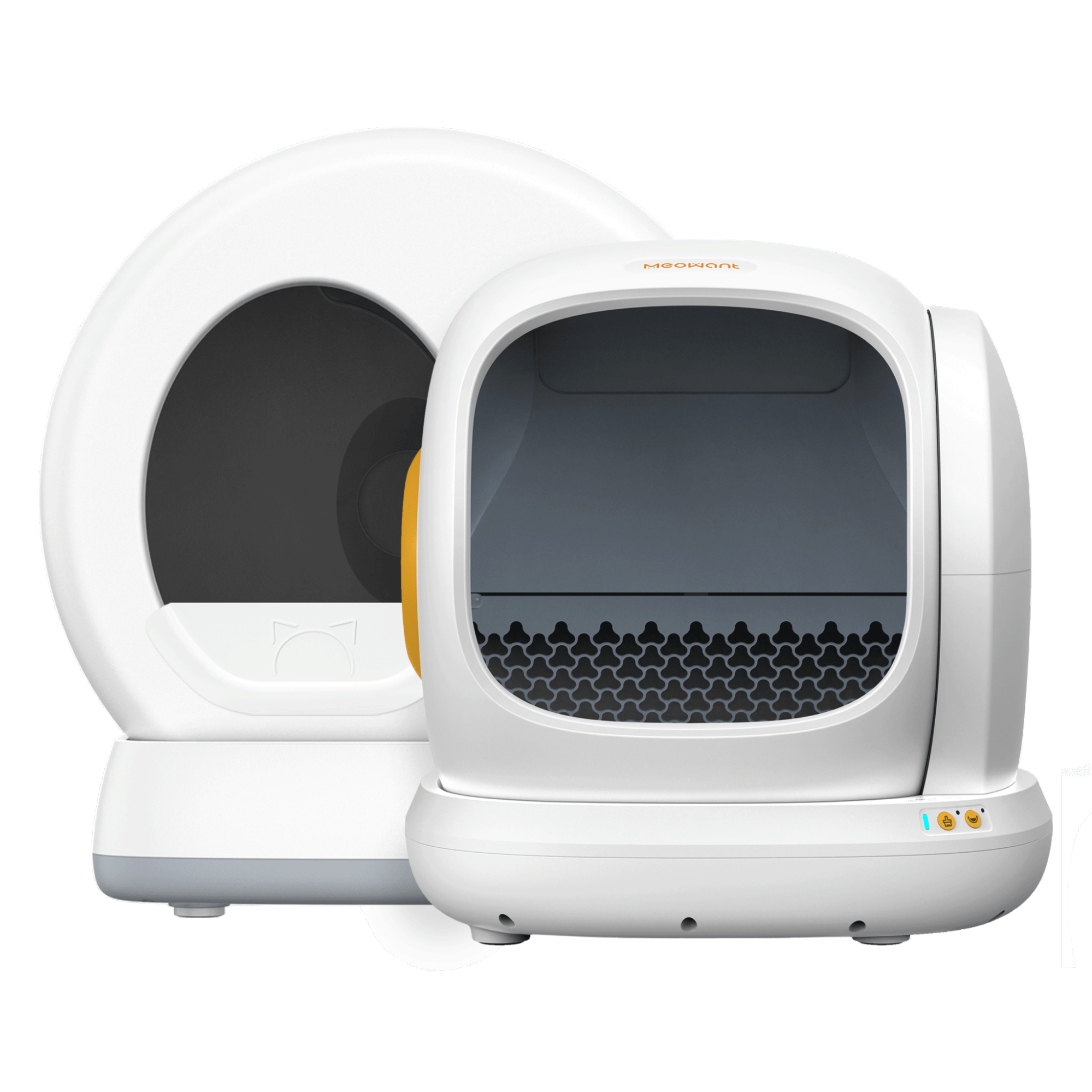
Every few months, the same question comes up in cat-owner forums and group chats: does a machine really change anything, or is it just an expensive way to avoid a five-minute chore? The honest answer depends less on the machine than on your schedule. For someone who is home most of the day, scooping is a minor interruption. For someone who leaves before sunrise and returns after dark, or who travels regularly, the box can become the weakest point in an otherwise well-run household.
This article looks at the value question directly, without the sales language. We will cover what a self cleaning litter box actually automates, where the costs and upkeep really land, which owners get the most out of one, and how to decide whether the investment fits your life. If you have been circling the idea for months, the sections below should give you a clear answer either way.
What the Machine Really Automates
The core function is simple to describe. After your cat leaves, a sensor starts a timer, and a rake or rotating drum sifts the litter, deposits clumps into a sealed compartment, and levels the surface again. That cycle repeats all day without you lifting a scoop. The value is not in the individual action, which takes seconds, but in the consistency: the box stays clean at the times you are least likely to be around.
This is where a self cleaning litter box earns its place for many households. Cats do not schedule their bathroom visits around your workday, and a box that has been sitting dirty since morning is exactly the kind of thing that pushes a fastidious cat to find another corner. Automation removes that gap, and it also reduces the odor that accumulates when waste sits exposed for hours.
What it does not automate is the rest of the job. The waste drawer must be emptied, litter must be topped up, and the drum needs cleaning on a regular schedule. Anyone expecting a maintenance-free device will feel misled within the first month. The fair comparison is not machine versus nothing, but machine plus light upkeep versus a daily scoop that often gets skipped.
There is a quieter benefit as well. A clean box reduces the chance of stress-related avoidance, which is one of the leading reasons cats eliminate outside the litter area. When that happens, the cost is not just cleaning supplies but a habit that can be hard to break. For owners who have already dealt with a cat avoiding a dirty box, the machine often pays for itself in avoided frustration long before it pays for itself in time.
Where the Costs Actually Land
Purchase price is only the first number. A realistic budget includes three ongoing items, and they matter more than most buyers expect at the start.
Consumables and Litter
Most units work best with fine clumping litter, which you will likely buy more of because the machine runs through a steady amount. Liners, carbon filters, and the occasional replacement rake add up over a year. These costs are modest individually, but they are permanent, and a cheap machine with expensive proprietary liners can cost more in the long run than a better-built model with standard supplies.
Time and Effort
The time savings are real but smaller than the marketing suggests. You still spend a few minutes a week on the drawer and the drum. The difference is that those minutes happen on your schedule, not every single day, and they do not require you to be home at a specific time. For shift workers and frequent travelers, that flexibility is often worth more than the raw minutes saved.
Repairs and Lifespan
Moving parts eventually wear. Sensors can be confused by dust, and motors can weaken with heavy use. A longer warranty and available replacement parts change the math significantly, because a unit that cannot be repaired becomes a full replacement cost after a few years. Before buying, check how easy it is to order a new rake, liner ring, or sensor module.
Who Gets the Most Value
The owners who report the strongest return tend to share a few traits. They work long or irregular hours, live in a smaller space where odor is noticeable, or have a cat that is sensitive to a dirty box. Multi-cat homes also benefit, because the cycle frequency scales with use, though the drawer fills faster and may need daily attention.
On the other side, some households are better served by a simpler setup. If you are home most of the day and do not mind scooping, a well-placed manual box and a second litter station will cost far less and involve fewer things that can break. Very young kittens and very large or anxious cats may also need a manual box at first, since automatic units have weight minimums and can frighten animals that are not used to movement and sound.
A useful way to decide is to track your current routine for a week. Note how often you scoop, how often you skip, and whether your cat has ever avoided the box. If the answers point to inconsistency or a sensitive cat, the machine solves a real problem. If your routine is already steady, the gain is mostly convenience, and that is a perfectly valid reason to buy, as long as you are honest about it.
It also helps to separate the emotional from the practical. Some owners dislike scooping because of the smell, others because of the time, and others because it is the one chore they cannot delegate when they are sick or traveling. The machine addresses all three to different degrees. Knowing which one bothers you most will tell you whether the purchase will feel worth it a year from now, or whether a second manual box in a better spot would solve the same problem for less money.
Getting the Transition Right
A machine that your cat refuses is worth nothing. The transition matters as much as the purchase. Set the unit up and let it run a cycle while your cat watches from a distance, so the sound becomes familiar before the box is expected to be used. Place it where the old box was, keep the old box nearby for the first week, and stop scooping the old one so the clean machine becomes the more appealing choice.
Use the same litter your cat already knows, and add a handful of used litter to the new drum so it carries a familiar scent. Keep the room quiet and avoid hovering. Most cats accept the change within a few days; a cautious cat may need a week or more. If your cat still refuses after two weeks, pause, run the machine empty nearby for several days, and try again rather than forcing the issue. Meowant’s box designs are built around this kind of gradual adoption, with quiet cycles and accessible entries that make the first week easier for nervous cats.
What the First Year Tells You
The value question usually answers itself within a few months of ownership. Owners who were struggling with an inconsistent routine often report that the box simply disappears into the background, doing its job without demanding attention. The telltale sign is that they stop thinking about scooping at all, and start thinking about the machine only when the drawer needs emptying.
The owners who feel the purchase did not pay off tend to describe a different pattern. Their cat never fully accepted the machine, or the unit needed frequent repairs, or the ongoing cost of liners and filters turned out to be higher than expected. None of these are reasons to avoid automation entirely, but they are reasons to choose carefully and to plan for the upkeep rather than assume it away. A little research up front, and a realistic budget for supplies, is the difference between a tool that quietly earns its keep and an appliance that ends up gathering dust.
Making the Call on Automation
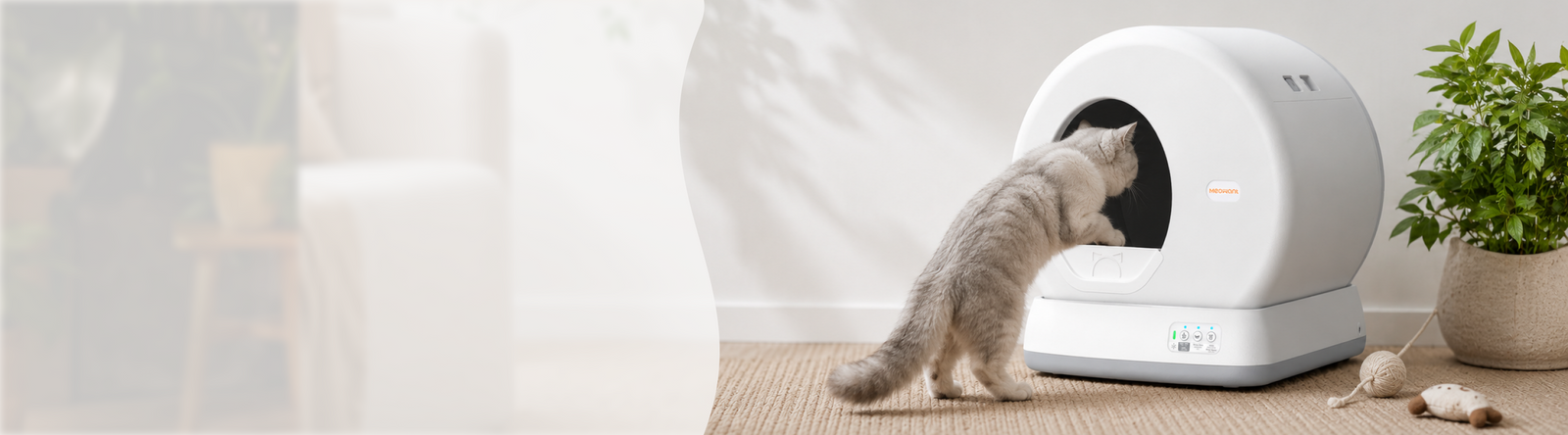
A self cleaning litter box is worth it when it removes a recurring problem you actually have, not a chore you vaguely dislike. If your schedule leaves the box dirty for hours, if odor is a constant battle in a small home, or if your cat is the type to protest a messy box, the machine addresses a real gap and the ongoing costs are easy to justify. If your routine is already consistent, the value is convenience, and that is fine too, as long as you budget for consumables and accept the drawer still needs emptying. Decide based on your week, not the feature list, and the choice becomes much simpler.
