

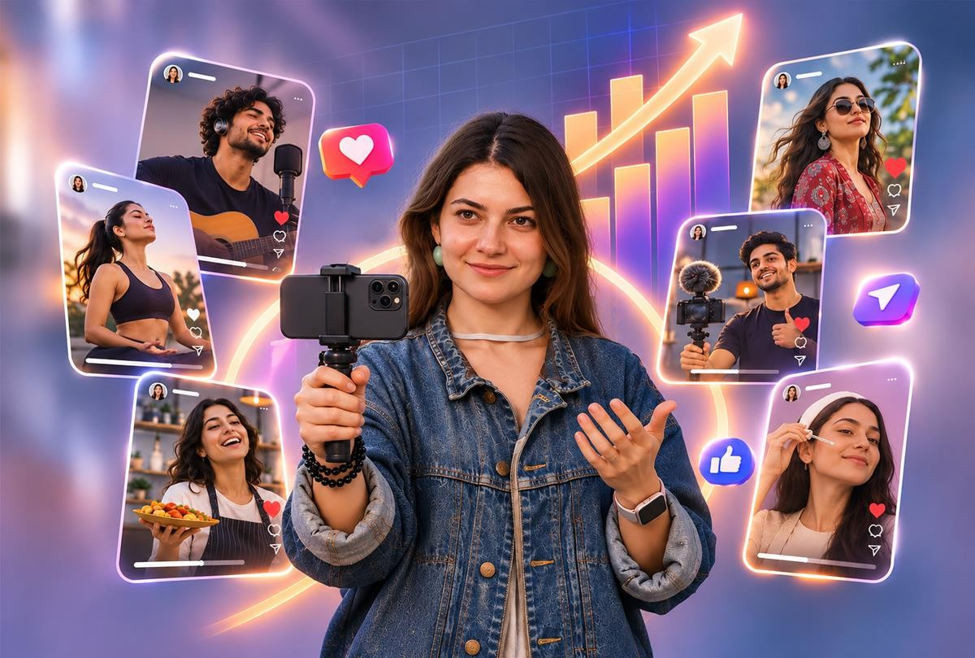
Social media has changed how people discover products, follow trends and make purchasing decisions. Within this evolving digital landscape, creators across categories such as fashion, beauty, technology, travel and fitness are becoming an important part of everyday conversations. As audiences increasingly look for relatable recommendations and engaging content, social media influencers in India are playing a growing role in how brands communicate with potential customers.
This shift has also changed the approach to influencer marketing. Instead of relying only on traditional advertising, businesses are exploring creator partnerships to build awareness,
encourage interaction and reach specific audience groups. Understanding this changing landscape can help brands make more informed decisions about their influencer campaigns.
How Social Media Influencers Are Changing Brand Communication
Traditional advertising focuses on communicating a brand’s message directly to consumers. Influencer content offers another way to introduce products and services through the stories, experiences and conversations that audiences already follow.
A fitness creator, for instance, could show how a product fits into a fitness programme, while a travel influencer could feature a brand as part of a travel experience. This makes the content relevant to the creator’s niche and provides audiences with additional context about the offering.
Indian social media influencers also represent diverse interests, languages and communities. This allows brands to explore partnerships that cater to their target audiences rather than following a one-size-fits-all communication strategy.
Why Influencer Marketing in India Continues to Grow
India’s diverse digital audience presents brands with opportunities to reach consumers across different age groups, locations and interests. From local travel and personal finance to entertainment, creators are building communities around specific topics on social media platforms.
Several factors are contributing to the growth of influencer marketing in India:
- Audience-led discovery: People often discover new products through creators whose content they already follow.
- Niche communities: Creators can help brands reach audiences interested in particular categories, hobbies or lifestyles.
- Regional representation: Influencers creating content in regional languages can help brands communicate with audiences beyond major metropolitan markets.
- Multiple content formats: Short-form videos, live sessions, product demonstrations and longer reviews give brands different ways to present their offerings.
- Two-way interaction: Comments and discussions allow audiences to engage with creators and ask questions about featured products or services.
Together, these factors have made creator partnerships an important consideration in many digital marketing plans.
Influencer Marketing Trends Shaping Brand Campaigns
The influencer landscape is constantly evolving as audience preferences change and social media platforms introduce different content formats. Brands aiming to create effective campaigns should stay aware of the developments shaping creator-led content.
1. Greater Focus on Niche Creators
Follower count is no longer the only consideration when selecting an influencer. Brands are paying more attention to content relevance, audience interests and engagement quality. A smaller but highly relevant community might be a better fit for a targeted campaign.
2. Growth of Regional and Language-Based Content
Regional creators can help brands make their communication more relevant to local audiences. Content in Hindi, Tamil, Bengali, Marathi and other languages can reflect regional interests and cultural contexts. This approach is particularly useful for campaigns that aim to reach audiences across different parts of India.
3. Short-Form Video and Visual Storytelling
Short-form videos are increasingly used for product discovery and entertainment. Demonstrations, tutorials, behind-the-scenes clips and storytelling can introduce products in an engaging way. Brands can choose formats based on their campaign goals and the creator’s content style.
4. Long-Term Creator Partnerships
While one-time collaborations can help introduce a product, long-term partnerships provide more opportunities to build familiarity with audiences. Working with the same creator across several campaigns can also help brands maintain a consistent communication style.
5. More Attention to Campaign Performance
Brands are increasingly looking beyond views and likes to understand campaign outcomes. Metrics such as audience reach, engagement, website visits, enquiries and
conversions can provide a clearer picture of performance. The most relevant measures will depend on the campaign’s primary objective.
How Brands Can Choose the Right Influencers
Choosing an influencer isn’t just about the number of followers. Brands should first establish the campaign objective, target audience, budget and expected content format.
They can then assess potential creators based on their niche, content quality, audience relevance, engagement patterns and previous collaborations. Before the campaign begins, it is also important to discuss deliverables, timelines, content approvals and usage permissions.
Talentrack helps brands and agencies discover creators and explore talent profiles based on their project requirements. This can help them identify potential partners across different content categories.
Final Thoughts
The growing influence of creators reflects a wider change in how brands connect with digital audiences. Social media influencers in India offer opportunities for relevant storytelling, niche audience engagement and regional communication. However, successful campaigns depend on choosing the right creators and setting clear objectives.
As influencer marketing trends continue to develop, brands that focus on audience relevance, creative quality and meaningful performance measures will be better placed to build effective creator partnerships.
