

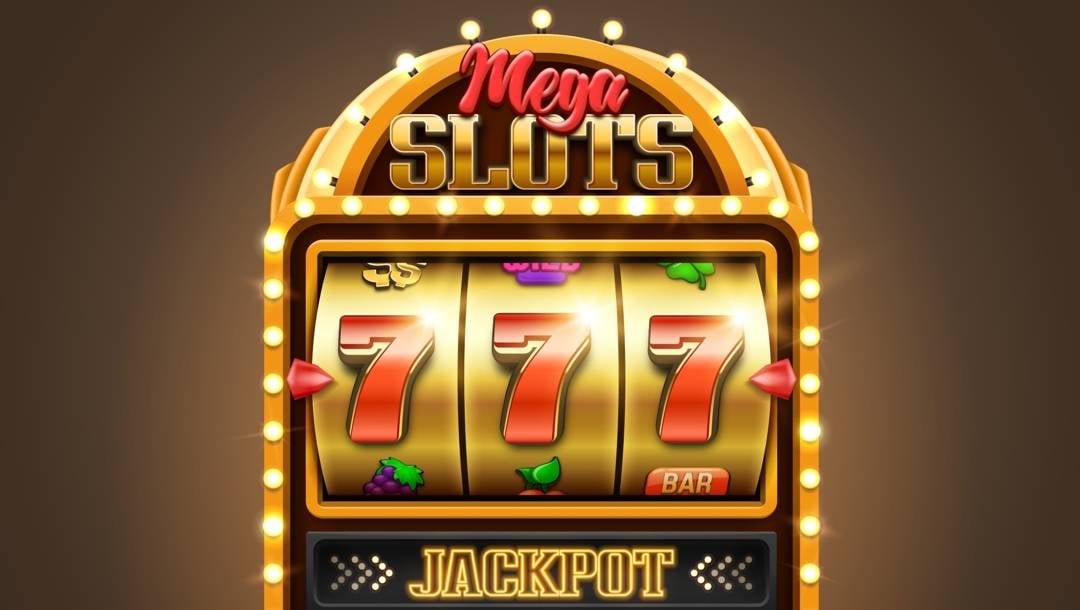
Introduction to Slot Gaming
The digital entertainment industry has introduced many different forms of interactive experiences, and slot games are among the most recognizable examples. Over the years, these games have moved from traditional mechanical machines to advanced digital platforms featuring modern graphics, creative themes, and unique gameplay designs.
Slot games are known for their simple structure and visually appealing presentation. Their basic concept revolves around spinning reels containing different symbols slot. However, modern versions offer much more than traditional machines, including special animations, bonus features, multiple reel arrangements, and different gaming themes.
With the development of internet technology, slot games have become available in various digital formats. This article explores their background, popular varieties, important features, technical systems, and the role of responsible entertainment.
What Makes Slot Games Popular?
Slot games have maintained their popularity because of their straightforward design and variety of available themes. Unlike many other digital games, their basic mechanics are relatively easy to understand.
Most games display several reels containing different symbols. Once activated, these reels spin and stop according to the game's software. The displayed combination determines the result under the rules of that particular title.
Another interesting aspect is the variety of designs. Some games use traditional fruit symbols, while others feature fantasy worlds, ancient civilizations, animals, adventure stories, and futuristic environments.
The combination of simple mechanics and creative presentation has helped slot games become a recognizable category within digital gaming.
From Traditional Machines to Digital Platforms
The history of slot gaming started with mechanical machines that used physical reels and basic symbols. Early designs were simple and operated through mechanical systems.
As technology developed, manufacturers introduced electronic machines with improved displays and additional functions. These changes made it possible to create more complicated gaming formats.
The internet later introduced another major development. Traditional machines inspired digital versions that could be accessed through online platforms.
Modern slot games now use advanced software, digital animation, and detailed visual effects. Many are designed to work across different devices, allowing their interfaces to adjust to computers, smartphones, and tablets.
This transformation demonstrates how traditional gaming concepts have adapted to changing technology.
Exploring Different Slot Game Formats
There are several types of slot games available in the digital entertainment industry. Understanding their differences provides a better overview of this gaming category.
1. Traditional Reel Slots
Traditional reel slots are inspired by older mechanical machines. They usually contain three reels and familiar symbols such as fruits, bells, stars, and numbers.
Their simple design focuses on the original slot machine concept without introducing too many additional features.
2. Modern Video Slots
Video slots use digital displays instead of traditional mechanical reels. They commonly feature multiple reels, different paylines, detailed backgrounds, and animated symbols.
Developers often create these games around particular themes to give each title its own visual identity.
3. Progressive Jackpot Formats
Progressive jackpot slots include a prize pool that can increase through eligible gameplay. The prize amount may continue growing until the required conditions for a jackpot result are met.
These formats have specific rules, and the amount or eligibility requirements can differ between games.
4. Multi-Reel Slot Games
Some modern titles use additional reels and rows to create different combinations. Their layouts can be more complex than traditional three-reel machines.
These games often include special symbols and additional mathematical features.
5. Interactive 3D Slots
Three-dimensional slot games focus on visual presentation. They may include animated characters, detailed environments, and cinematic transitions.
Their purpose is to create a more visually developed experience through advanced digital graphics.
Understanding the Main Components
Although different slot games may look completely different, many share several basic components.
Reels: Reels are the vertical sections that display different symbols during gameplay.
Symbols: Symbols are the images displayed on the reels. They determine combinations according to the game's rules.
Paylines: Paylines are predefined patterns used to identify qualifying symbol combinations in certain games.
Wild Symbols: These special symbols may substitute for other symbols under specific conditions.
Scatter Symbols: Scatter symbols can activate particular features or bonus sections when the required conditions are fulfilled.
Bonus Features: Some games include additional sections with different rules and visual elements.
Multipliers: Certain titles use multipliers to modify qualifying results according to their programmed conditions.
Each component contributes to the overall structure of a slot game.
Technology Behind Modern Slot Games
Modern digital slot games depend on software systems that determine their operation and results. One important technology used in many games is the Random Number Generator (RNG).
An RNG is designed to generate unpredictable results according to mathematical processes. When a user activates a spin, the software determines the result and displays the corresponding symbols.
In properly regulated gaming environments, RNG systems are tested to help verify that outcomes meet applicable fairness standards.
The technology behind these games also includes graphical engines, sound systems, user interfaces, and mobile compatibility features.
Together, these technologies allow developers to produce different gaming environments while maintaining the basic reel-based concept.
Understanding RTP and Game Volatility
Two important terms frequently discussed in relation to slot games are RTP and volatility.
What Is RTP?
Return to Player, commonly known as RTP, represents the theoretical percentage of total wagers a game is designed to return over an extremely large number of plays.
For example, a slot game with a theoretical RTP of 95% is designed around that long-term mathematical return. It does not mean that an individual will receive 95% of their money back during a particular session.
Short-term outcomes can vary considerably.
What Does Volatility Mean?
Volatility describes the general distribution and frequency of results within a game's mathematical design.
Low volatility: Generally associated with smaller and more frequent results.
Medium volatility: Offers a different balance between result frequency and size.
High volatility: Can involve less frequent results and greater variations.
These characteristics help explain why different games may produce different result patterns. They should never be considered a prediction of future outcomes.
Mobile Compatibility and Digital Accessibility
Mobile devices have become an important part of the online entertainment industry. Many developers now design slot games with responsive layouts that work on different screen sizes.
A mobile-compatible game should offer readable graphics, simple navigation, accessible controls, and smooth performance.
Some platforms provide browser-based gaming, while others develop applications for compatible devices.
Before accessing an unfamiliar platform, users should check its authenticity, security information, and privacy policies. Downloading applications from unverified sources can create unnecessary security risks.
What to Consider When Exploring a Slot Game
Learning about a game before using it can help users understand its structure and avoid common misunderstandings.
Review the Instructions
Read the available information about reels, symbols, paylines, and bonus features. Different games can have different conditions.
Examine the Mathematical Information
Where available, review the published RTP and volatility information to understand the game's theoretical characteristics.
Understand the Random Nature
Individual results cannot be reliably predicted. Previous spins do not determine what will happen next.
Avoid False Advertising
Be cautious of websites claiming to provide guaranteed winning techniques or secret methods for controlling random results.
Protect Personal Information
Use strong passwords and avoid sharing confidential details with unknown platforms.
Responsible Entertainment and Financial Awareness
Responsible gaming is an important part of any discussion about slot games. While digital gaming can provide entertainment, real-money gambling involves financial risks.
It is important to maintain a clear distinction between entertainment and income generation. Slot games should never be treated as a reliable way to make money.
People should consider establishing strict limits on their time and spending. They should also avoid gambling with borrowed money or funds required for household expenses.
Other useful practices include taking regular breaks, avoiding emotional decisions, and stopping when predetermined limits are reached.
Anyone experiencing difficulty controlling gambling should consider seeking appropriate professional support.
Local laws should also be reviewed before accessing gambling-related websites because regulations differ between countries and regions.
Identifying Trustworthy Digital Gaming Websites
Not every online platform provides the same level of security or transparency. Researching a website before trusting it is an important step.
Some factors worth examining include:
Official Authorization: Check whether the platform holds valid authorization from a recognized regulatory body.
Secure Connection: Look for HTTPS and appropriate website security measures.
Clear Policies: Review privacy policies and terms of service.
Support Services: Check whether customer assistance information is available.
Independent Reviews: Research feedback from credible sources.
Transparent Information: Look for clear explanations of game rules and conditions.
A professional website design does not automatically establish legitimacy. Independent verification is essential.
Emerging Trends in the Slot Gaming Industry
The digital gaming industry continues to evolve as developers introduce new technologies and creative concepts.
Improved graphics have made modern games more visually detailed. Mobile optimization has also allowed developers to create interfaces that work across different devices.
Some companies are exploring virtual reality and augmented reality to develop more immersive digital environments.
Artificial intelligence and advanced software tools may also influence game development, customer support, and platform management.
At the same time, responsible gaming features and stronger security practices remain important areas of development.
The future of slot gaming will likely involve a combination of technological innovation, improved accessibility, and greater attention to user protection.
Conclusion
Slot games have changed considerably since their early mechanical beginnings. Modern versions combine traditional reel-based mechanics with digital graphics, interactive features, and different gaming formats.
From classic machines to advanced video slots, each category offers a different design and structure. Understanding reels, symbols, paylines, RNG systems, RTP, and volatility helps explain how these games operate.
However, knowledge of the technology should always be accompanied by responsible decisions. Users should protect their personal information, verify platform legitimacy, understand financial risks, and follow applicable local regulations.
Ultimately, understanding the features and mechanics of slot games provides a clearer picture of their place in the modern digital entertainment industry.
