

Introduction
Cannabis is no longer represented by a single product format. Modern cannabis markets include dried flower, concentrates, edibles, vapes and several other product types, each with its own characteristics. This variety gives consumers more ways to explore cannabis, but it can also make the differences between formats less obvious.
Cannabis flower remains one of the most recognisable options because it represents the dried flowering material of the plant rather than an extract or infused product. Its appearance, aroma, texture and genetic characteristics can be examined directly, giving it a distinct place within the wider cannabis market.
Concentrates take a different approach by processing cannabis material into more concentrated forms, while edibles incorporate cannabinoids into food products. Vapes use cannabis extracts in cartridges or other devices. These differences affect how products are presented, stored and compared.
Understanding these distinctions can help shoppers navigate a broad cannabis selection more confidently. Rather than viewing all cannabis products as interchangeable, consumers can consider what makes each format unique and determine which characteristics matter most to their individual preferences.
Understanding Whole Cannabis Flower
Cannabis flower is the dried flowering portion of the cannabis plant. After cultivation and harvesting, the flowers undergo drying and curing before becoming the product commonly sold in cannabis dispensaries. Unlike concentrates, the plant material remains physically recognisable in its dried form.
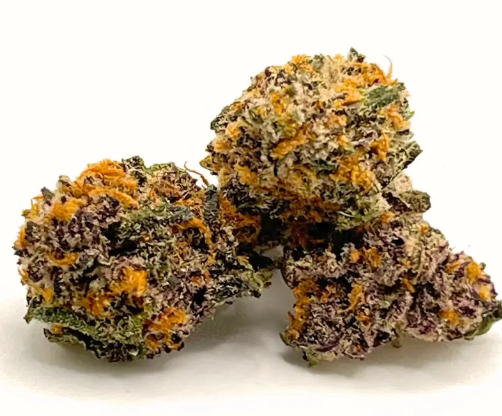
One of the defining characteristics of flower is its visible structure. Individual buds can vary in size, density, colour and shape depending on their genetics and growing conditions. Trichomes may also be visible across the surface, appearing as small resin-producing structures.
Flower can also display a wide range of aromas. Terpenes, which are naturally occurring aromatic compounds, contribute to these differences. Depending on the genetic background of a cultivar, the resulting flower may have citrus, fruit, pine, floral, earthy, spicy or other aromatic characteristics.
Another important feature is the variety available within the flower category. Different cultivars can have different genetic lineages and cannabinoid profiles. Retailers may also organise products according to classifications such as Indica, Sativa and Hybrid strains, as well as grades, quantities and cultivation characteristics.
Because flower retains many of its original physical characteristics, it allows consumers to examine several aspects of the product directly. Appearance, aroma and texture can be considered alongside product descriptions and laboratory information.
This combination makes flower particularly distinct from processed cannabis formats. It provides a direct connection between the cultivated plant and the finished retail product.
Flower Compared With Concentrates
Concentrates differ from flower because they undergo additional processing designed to separate and concentrate compounds found in cannabis. Instead of purchasing the dried plant material itself, consumers encounter products created from extracted cannabis components.
The differences can be seen clearly when comparing flower with products such as shatter, hash, live resin, rosin and distillate. Each concentrate has its own processing method, physical consistency and product characteristics.
For example, shatter is known for its brittle, glass-like consistency, while hash is traditionally associated with compressed cannabis resin. Live resin is produced using cannabis material that is handled in a way designed to retain characteristics associated with freshly harvested plants. Distillate undergoes further refinement, producing a highly concentrated extract with characteristics distinct from whole flower.
These formats therefore require different approaches to product comparison. A flower listing may emphasise strain, bud structure, weight, aroma and cannabinoid content. A concentrate listing may instead provide information about extraction method, consistency, cannabinoid concentration and terpene characteristics.
Storage requirements can also differ. Flower benefits from protection against excessive air, heat, light and moisture, while concentrates may require containers and conditions suited to their particular consistency.
The distinction is not simply a matter of potency. Concentrates and flower are fundamentally different product formats. One retains the physical structure of the dried plant, while the other has undergone processing to create a concentrated cannabis product.
Understanding this difference helps shoppers interpret product descriptions more accurately and prevents unrelated formats from being compared using the same criteria.
Flower Compared With Edibles
Edibles represent another significant departure from traditional cannabis flower. Instead of containing dried plant material as the primary product, edibles incorporate cannabinoids into food or beverage products.
This difference means that consumers encounter very different product information when browsing edible listings. A flower product may be described by weight, strain, cannabinoid percentage and terpene profile. An edible is more likely to provide information about the total cannabinoid content and the amount contained in each individual serving.
The physical form is also completely different. Flower remains recognisable as dried botanical material, whereas an edible can take the form of a confection, baked product, beverage or another food-based item.
Several factors distinguish these formats:
- Product composition: Flower consists of dried cannabis plant material, while edibles contain cannabis-derived cannabinoids incorporated into a food or beverage product. This makes their product structures fundamentally different.
- Product information: Flower listings commonly focus on strain, weight, cannabinoid percentage and aroma. Edible listings place greater emphasis on cannabinoid amounts per package or serving and the type of food product involved.
- Portion considerations: Flower is generally purchased by weight, whereas edibles are commonly divided into individual pieces or servings. This makes quantity information important in a different way.
- Storage: Flower and food-based products can have different storage considerations. Edibles may also have packaging and shelf-life information that does not apply to dried flower.
- Product variety: Flower variety is often linked to genetics and cultivation, while edible variety can come from different recipes, flavours, formats and cannabinoid formulations.
These differences demonstrate why comparing cannabis products requires attention to format. A consumer researching flower cannot use exactly the same criteria when evaluating an edible.
Flower Compared With Vapes
Vape products occupy another distinct position within the cannabis market. Unlike dried flower, vape products generally use cannabis extracts contained in cartridges, disposable devices or other hardware designed for vaporisation.
The most obvious difference is that the cannabis material is not presented as a dried bud. Instead, the extract is contained within a device or cartridge, making the product substantially different in physical form and handling.
Vape products can also contain different types of extracts. Depending on the product, the formulation may involve distillate, live resin or other cannabis extracts. This means that the product description can provide information about the extract type, cannabinoid concentration, terpene composition and hardware.
Several considerations help distinguish vapes from flower:
- Physical format: Flower is sold as dried plant material, while vape products combine a cannabis extract with a cartridge or device. The hardware becomes part of the overall product format.
- Cannabis composition: A vape may contain a refined extract or another concentrated cannabis formulation. Flower, by contrast, retains its original dried plant structure.
- Product specifications: Flower listings commonly include strain and weight information, while vape listings may focus on cartridge capacity, extract type and cannabinoid concentration.
- Portability: Vape products are generally designed around a compact device format. Flower requires separate storage and equipment depending on the chosen method of use.
- Variety: Both formats can offer extensive variety, but the source of that variety differs. Flower diversity often reflects genetics and cultivation, while vape diversity can also depend on extract type and formulation.
Understanding these distinctions makes it easier to navigate a cannabis catalogue. A shopper comparing a flower product with a vape is essentially comparing two different product formats rather than two versions of the same item.
Why Flower Offers So Much Variety
Cannabis flower can differ significantly from one product to another because many variables influence the final characteristics. Genetics provide the foundation, while cultivation, harvesting, drying and curing contribute to the finished product.
Strain development is particularly important. Breeders can combine different genetic lines to create cultivars with distinctive characteristics. This has resulted in a large number of products being classified according to their genetic backgrounds and commonly used retail categories.
The variety found in flower can be understood through several factors:
- Genetic background: Different cultivars can have different parent genetics and breeding histories. These differences can influence physical appearance, aroma and cannabinoid composition.
- Cultivation methods: Indoor, outdoor and controlled-environment cultivation can create different growing conditions. Light, temperature, humidity and other variables contribute to plant development.
- Cannabinoid profile: Flowers can contain different levels and combinations of cannabinoids. Product testing can provide measurable information that helps distinguish one product from another.
- Terpene composition: Terpenes contribute to the aromatic characteristics of cannabis. Different cultivars can produce different combinations of citrus, fruit, earth, pine, floral and other notes.
- Post-harvest handling: Drying and curing influence the final condition of flower. Appropriate handling helps determine its texture, moisture balance and aromatic characteristics.
This combination of factors explains why a cannabis flower catalogue can contain a remarkably broad selection. Even products sharing a general classification may have very different characteristics once their genetics, cannabinoid profiles and aromatic properties are examined.
The variety also means that consumers can approach flower from different perspectives. Some may focus on genetics, others on aroma, while others may prioritise cannabinoid information, quantity or price.
Choosing a Format Based on Preference
Choosing between cannabis formats involves more than identifying the product with the most familiar name. Flower, concentrates, edibles and vapes each provide different product characteristics and purchasing considerations.
A practical comparison can begin with the format itself before moving into more specific product details:
- Flower: Suitable for shoppers interested in dried cannabis buds and the direct characteristics of the plant. Strain, genetics, aroma, appearance, weight and cannabinoid information are among the key details that can be compared.
- Concentrates: Designed as processed cannabis products with different textures and extraction methods. Shatter, hash, live resin, rosin and distillate each have distinct characteristics worth understanding before comparison.
- Edibles: Food-based cannabis products that are evaluated through information such as product type, cannabinoid content, serving size and packaging. They represent a substantially different format from dried flower.
- Vapes: Extract-based products generally presented through cartridges or other devices. Extract type, cannabinoid concentration, terpene information and device specifications can be useful comparison points.
- Personal preferences: Individual preferences can influence which format is most appealing. Some consumers may value the physical characteristics of flower, while others may prioritise portability, product variety or the characteristics of a particular concentrate or edible.
No single format needs to be treated as universally preferable. The relevant comparison depends on what characteristics a consumer is seeking and how those characteristics fit their preferences.
Understanding the differences between formats also makes online cannabis shopping more straightforward. Once the preferred format has been identified, shoppers can focus on the specific information relevant to that category instead of comparing unrelated products.
Conclusion
Cannabis flower occupies a distinctive position within the wider cannabis market because it retains the physical form of the dried flowering plant. Its genetics, structure, aroma, trichomes, cannabinoid profile and cultivation history can all contribute to the characteristics visible in the finished product.
Concentrates take a different approach by processing cannabis into products such as shatter, hash, live resin, rosin and distillate. Edibles incorporate cannabinoids into food-based products, while vapes generally use cannabis extracts within dedicated devices. These differences make each format distinct.
Flower also offers considerable variety because genetics, cultivation, cannabinoid composition, terpene profiles and post-harvest handling can all influence the finished product. This diversity provides shoppers with many characteristics to compare beyond simple product names.
By understanding how flower differs from concentrates, edibles and vapes, consumers can navigate cannabis catalogues more effectively. The most useful approach is to identify the desired format first and then compare the characteristics that are genuinely relevant to that product category.
