

In the modern business landscape, the relationship between cybersecurity and operational growth is frequently misunderstood. Many organizations continue to view security measures and productivity as competing priorities a false dichotomy that creates avoidable risks and unnecessary friction. When security is treated as an afterthought or a roadblock, companies either leave themselves dangerously exposed or adopt heavy-handed controls that frustrate employees and stall momentum.
Achieving sustainable growth requires a modern approach: building security frameworks that protect critical assets while empowering people to work efficiently. Organizations can partner with specialized providers like CloudTech24 to implement robust, scalable defenses without compromising speed or agility.
The Security–Productivity Challenge Facing Growing Businesses
The historical mindset surrounding corporate IT security often framed it as a lock-and-key barrier designed to restrict access. In fast-paced modern environments, this philosophy fails. When security teams implement cumbersome verification steps, rigid permissions, and constant interruptions without clear business alignment, employees naturally seek out workarounds. They use unsanctioned tools, share passwords, or bypass protocols just to get their daily tasks done.
This behavior introduces shadow IT and hidden vulnerabilities. Conversely, neglecting security in the name of speed invites devastating breaches that can halt operations entirely. Forward-thinking businesses realize that protection and productivity are mutually dependent. True resilience means securing the enterprise in a way that is seamless, intuitive, and integrated directly into daily workflows.
Protecting Endpoints, Mobile Devices and Remote Workers
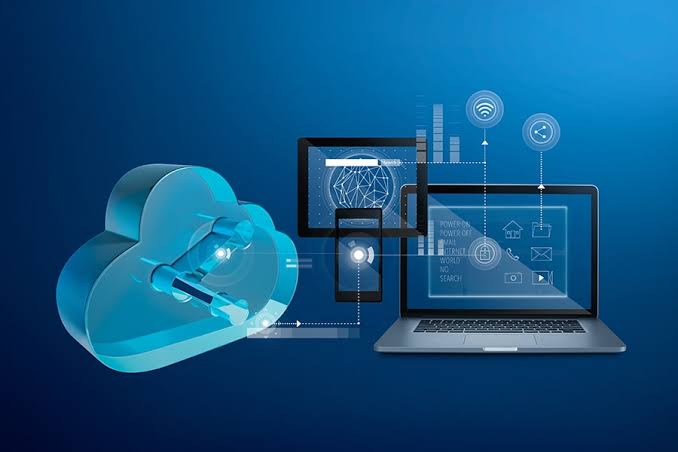
With distributed workforces becoming the standard, corporate data no longer resides solely within the four walls of a physical office. Laptops, smartphones, and tablets connect from home networks, coffee shops, and airports worldwide. This shift expands the corporate attack surface dramatically.
To protect modern teams without hindering their day-to-day work, businesses must deploy comprehensive endpoint defenses. Centralized endpoint management, automated software patching, and robust device encryption ensure that company data remains secure even if a device is lost or stolen. Utilizing advanced solutions like Managed Endpoint Security allows organizations to monitor, isolate, and remediate threats in real-time. This invisible layer of security operates quietly in the background, safeguarding remote workers without disrupting their productivity.
Securing Cloud Platforms and SaaS Applications
As businesses migrate operations to cloud-based environments like Microsoft 365 and Google Workspace, securing these platforms becomes paramount. Cloud storage and SaaS applications house intellectual property, financial records, and sensitive customer data, making them prime targets for malicious actors.
Securing these dynamic environments requires more than default settings. Organizations need active configuration management, rigid identity controls, and continuous monitoring to detect unauthorized modifications or anomalous data access. Implementing thorough assessments, such as a Microsoft 365 Security Assessment helps uncover misconfigurations, overly permissive sharing settings, and hidden vulnerabilities before attackers can exploit them.
Identity-Based Security: Stopping Threats at the Gate
Perimeter defenses alone are no longer enough to keep attackers out. Because credentials are frequently targeted through phishing and credential stuffing, identity has become the new security perimeter. Identity-based security focuses on validating who is accessing resources, regardless of where they are logging in from. By deploying adaptive multi-factor authentication (MFA) and behavioral analytics, businesses can instantly spot suspicious sign-ins, unusual travel patterns, and privilege misuse. Leveraging proactive defense frameworks like Identity Threat Detection and Response enables security teams to intercept compromised accounts and halt lateral movement before minor anomalies escalate into major breaches.
Putting Users at the Centre of Cyber Resilience
Technology and automated controls can block thousands of attacks, but human error remains one of the greatest security challenges. Phishing campaigns, social engineering, and accidental data exposure target the people inside an organization rather than the code.
However, viewing employees as the “weakest link” is counterproductive. Instead, businesses should position users as a critical, empowered layer of defence. This is achieved through engaging awareness training, realistic phishing simulations, and clear, supportive security processes rather than punitive measures. Combined with the principle of least-privilege access—giving users only the exact permissions they need to do their jobs—companies can significantly reduce human risk while maintaining operational flow.
Building Security That Scales With the Business
As a company grows, its IT infrastructure grows with it. Security strategies that work for a small startup will quickly buckle under the weight of enterprise expansion. To scale successfully, organizations must integrate automation, proactive monitoring, and expert oversight into their foundational roadmap.
Outsourcing complex monitoring to dedicated security experts ensures continuous protection around the clock. Comprehensive services like Managed Detection and Response provide the advanced threat hunting and rapid incident response capabilities that growing businesses need. By aligning cybersecurity with a strategic IT roadmap, organizations can protect their devices, cloud platforms, and users—ensuring that growth is safe, resilient, and unstoppable.
