

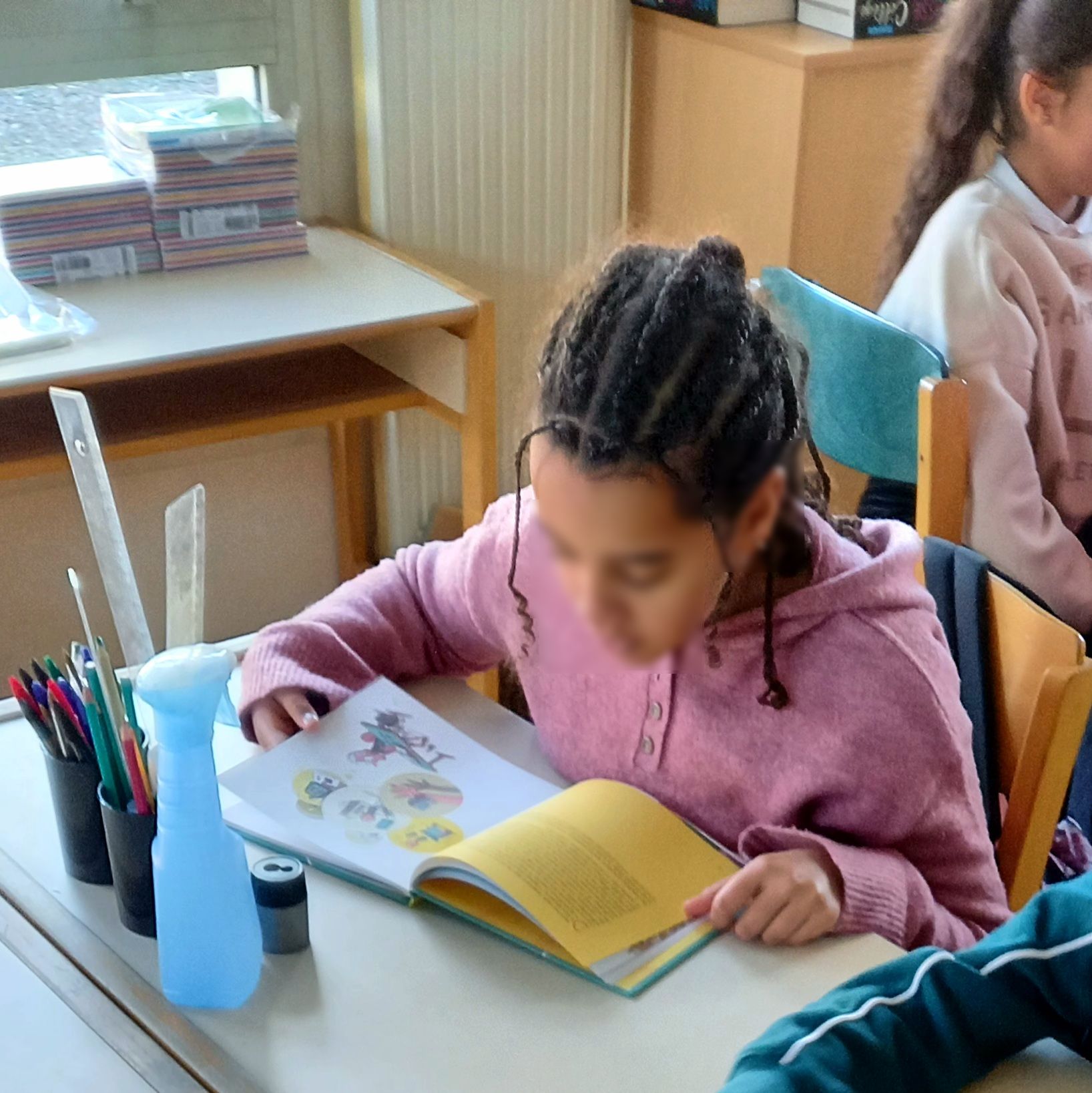
If you are buying a first phone for a child or renegotiating screen rules at home, a major new study deserves a place in that decision. Researchers following more than 16,000 students found that classroom smartphone bans significantly boosted academic performance. The benefit was largest for students who had previously been struggling, and, in a result that surprised many parents, students who experienced a ban became more supportive of it afterwards. For consumers of education, in other words, the product being tested, a phone-free lesson, delivered results that its own users came to endorse.
The headline numbers in plain language
Performance rose after bans came in, and the rise held up when researchers compared similar schools and similar pupils. This was not a small survey of opinions; it was a large tracked cohort where grades were the outcome that mattered. Struggling students gained most, which challenges the common worry that bans mainly help already confident learners police themselves. Instead, the evidence points the other way: the pupils with the least spare attention benefited most when the biggest source of distraction was removed from the room for everyone at once.
Why fairness turned sceptics into supporters
Before the change, many students predicted they would hate a ban. After living with one, support climbed. Students interviewed for the project repeatedly mentioned fairness: when nobody has a phone out, nobody feels they are missing a conversation happening without them. Break times, they said, became louder and more social. That shift matters for parents because rules that feel collectively fair are far easier to sustain at home as well as at school. A family agreement that applies during homework, meals and the hour before bed borrows exactly the same logic, and this study suggests children may accept it better after they have felt the benefit themselves.
Consumers should also weigh what the study implies about value for money in education spending. Schools spend heavily on tutoring platforms, devices and intervention programmes, many with far thinner evidence than this ban now has. A policy whose main costs are storage pouches and clear communication, and whose measured benefit is largest for the pupils schools spend most trying to help, compares favourably with almost any purchasable alternative. That does not make it a substitute for good teaching, adequate funding or support for special educational needs, and the researchers are explicit that it is not. It does make it a sensible first item on any school improvement list, because it can be implemented in a single term and evaluated with data the school already collects. For parents acting as education consumers, the study also offers a useful question to ask at open evenings and parents meetings: not simply whether a school has a phone policy, but how it is implemented, how exceptions are handled and what the school own data show after a term. Schools that can answer those questions concretely are demonstrating exactly the evidence habit this research rewards, and that habit tends to correlate with quality in other areas too.
How to use the findings when choosing or challenging a school policy
Ask three practical questions. First, how are phones stored: in lockers, pouches or handed in, and is the system the same in every classroom? Second, what exceptions exist for medical apps, translation support or caring responsibilities? Third, how will the school review the policy after a term, using grades and behaviour data rather than anecdotes alone? Readers who follow our health and science explainers, such as our report on Saturn reaching 274 confirmed moons, will recognise the same principle: good evidence is specific, measured and open to checking.
The balanced bottom line for families
No single study settles a cultural argument, and phones remain useful tools for travel, safety and learning outside lessons. The authors themselves stress implementation over slogans. Still, for a parent deciding whether to back a school ban, the direction of travel is now hard to ignore. Wider discussion of the evidence base can be followed through Nature, which publishes both original research and critical commentary. On the evidence of 16,000 students, phone-free classrooms help results, help struggling learners most of all, and, unexpectedly, win over many of the students living under them.
