

Most household items can be packed in boxes and carried by two people. But every home also has a few items that are a different challenge altogether: a piano that weighs several hundred kilograms, a gun safe, a large American-style refrigerator, an aquarium or a solid wood antique cabinet. These items are heavy, awkward and often valuable. Moving them incorrectly can damage the item, the building and, most importantly, the people carrying them. This guide explains how heavy and special items should be moved and what you can do to prepare.
Why Heavy Items Need Special Planning
Heavy objects put enormous strain on the body. Lifting injuries, especially to the back, are among the most common accidents during moves. The Finnish occupational safety and health authorities emphasise correct lifting techniques and the use of aids for manual handling of heavy loads. In addition, narrow stairwells, tight corners and older buildings without lifts make moving heavy items much harder. Planning ahead is essential.
Pianos
An upright piano typically weighs 200 to 300 kilograms, and a grand piano can weigh even more. Pianos are top-heavy, have delicate internal mechanisms and are sensitive to bumps and temperature changes.
- Pianos should always be moved by trained movers with piano trolleys, straps and protective blankets.
- Close and lock the lid to protect the keys.
- In winter, keep the transport time short and let the piano acclimatise before playing.
- Plan to have the piano tuned a few weeks after the move, once it has adjusted to the new room.
Safes
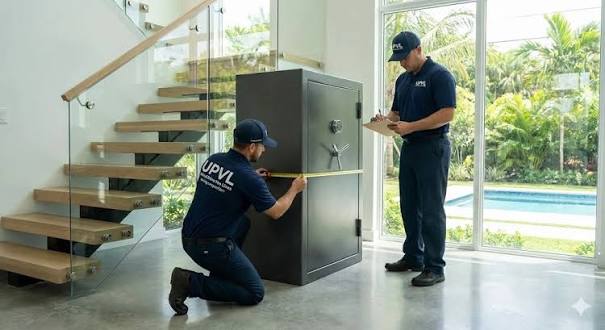
Safes are among the heaviest items in a home, and their weight is concentrated in a small area. This can damage floors and stairs.
- Tell the moving company the exact weight and dimensions of the safe in advance.
- Empty the safe and keep its contents with you.
- Check that the floor at the new location can bear the weight, especially in older buildings.
- Very heavy safes may require special equipment such as stair-climbing trolleys.
Large Appliances
Refrigerators and Freezers
Defrost and dry the appliance at least 24 hours before the move. Secure shelves and doors. Transport refrigerators upright whenever possible, and after the move, let them stand for several hours before switching them on so that the compressor oil settles.
Washing Machines
Install the transport bolts that secure the drum before moving. Without them, the drum can be damaged. Drain the remaining water from the hoses and filter.
Dishwashers and Ovens
Built-in appliances often belong to the apartment and stay behind. If you are taking free-standing appliances, disconnect them properly. Gas appliances must always be disconnected and reconnected by a qualified professional. The Finnish Safety and Chemicals Agency Tukes provides information on safe gas and electrical installations.
Aquariums
Aquariums must be emptied before transport. Fish and plants are moved separately in containers with water from the aquarium, and the filter bacteria should be kept moist. Large aquariums are heavy even when empty and should be carried by several people. Set up the aquarium as soon as possible after the move.
Antiques and Fine Furniture
Antiques are often fragile, valuable and impossible to replace. Wrap them in soft blankets and avoid tape directly on the surface. Remove glass doors and pack them separately. Document their condition with photos before the move, and check whether your insurance covers them during transport.
Artwork and Large Mirrors
Paintings and mirrors should be packed in special picture boxes or crates with corner protection. Transport them upright, never flat, and do not stack heavy items against them.
Exercise Equipment
Treadmills, home gyms and weight sets are heavy and bulky. Fold or disassemble equipment according to the manufacturer’s instructions, and pack weights in small, sturdy boxes or move them loose.
How to Prepare
- List all heavy and special items when requesting a quote.
- Measure doorways, stairwells and lifts at both addresses.
- Clear the route from the item to the vehicle.
- Reserve parking as close to the entrance as possible.
- Keep children and pets away from the carrying route.
Leave It to Professionals
Heavy items are not worth the risk of a DIY move. Professional movers have the right equipment, the experience to plan the route and insurance that covers accidents. If you need help with a piano, safe or other demanding item, you can contact the team at https://kuljetusvarma.fi/ and describe the items so they can plan the right crew and equipment.
Frequently Asked Questions
Does moving heavy items cost extra?
Often yes, because they require more people, more time and special equipment. Mention them in advance to get an accurate quote.
Can a piano be moved in winter?
Yes, but transport time should be kept short and the piano should warm up slowly before it is played or tuned.
Conclusion
Heavy and valuable items require careful planning, the right equipment and experienced hands. Prepare by measuring routes, emptying and securing items and informing your movers in advance. With professional help, even the heaviest piano or safe can reach your new home safely.