

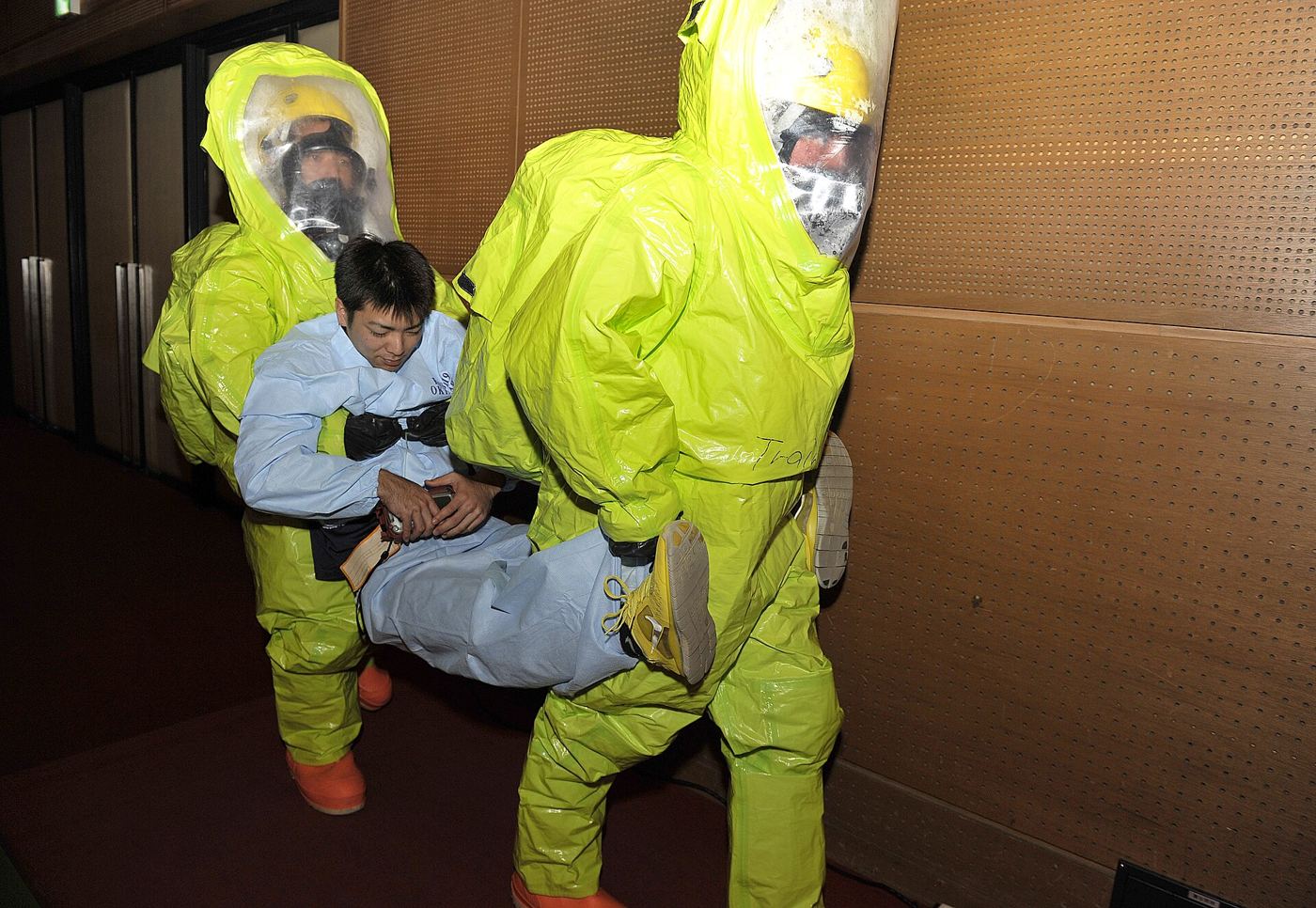
Fire services are practising high-rise rescue drills in city neighbourhoods this month, training crews on the ladders, breathing equipment and evacuation techniques needed when fire or smoke affects a tall residential building. The exercises use real blocks by agreement with housing providers, so firefighters can test access routes, water supplies and radio coverage in the exact conditions they would face during a genuine emergency call. Residents are invited to watch from safe viewing points, with officers explaining each stage and answering questions about alarms, escape routes and what households should do while waiting for help to arrive. Senior officers say practising in public serves two purposes, sharpening crew skills while showing residents that evacuation advice is based on rehearsed plans rather than guesswork written in an office. Drills include rescuing volunteers acting as trapped occupants, carrying equipment up stairwells and coordinating several crews arriving from different stations at the same incident. Building managers attend as well, checking that fire doors, signage and dry risers perform as expected and noting any maintenance issues the exercise reveals before they can matter in a real fire on a busy night. The sessions also let neighbouring crews rehearse together before winter call volumes rise, building the familiarity that makes a real multi station incident run more smoothly from the very first minutes on scene.
What the Evidence Shows
After each drill, crews hold a detailed review, comparing timings, communications and equipment performance against the standards expected for a real high-rise incident. Small problems found in training, such as a stiff hydrant connection or a confusing corridor layout, are exactly what officers want to discover on a practice day rather than during an emergency. Residents receive updated safety leaflets after watching, covering smoke alarm testing, keeping escape routes clear and why lifts should never be used during a fire. Housing providers use the same sessions to remind tenants how to report faulty fire doors or blocked communal areas quickly. Children at the viewing points often ask the most direct questions, and crews say answering them calmly helps whole families talk about safety at home afterwards. Further drills are planned through the season at different buildings, so experience spreads across stations and shifts. Officers are clear about the message behind the spectacle, that preparation done quietly and regularly is what protects people when minutes matter most. Fire safety officers remind households that the drills complement, and never replace, working smoke alarms fitted on every floor, tested regularly and replaced whenever they pass the date printed on the casing. Reporting and analysis from sources such as Associated Press track the same developments, and specialists following fire service high-rise rescue training drills say the direction is now consistent across independent lines of evidence.
The Wider Context
Regional and local reporting on fire service high-rise rescue training drills often tells a different story from national coverage, because the effects land unevenly: one town’s pilot is another’s distant proposal. Analysts who follow the subject full-time read the local data first, arguing that national averages conceal the variation that decides whether a policy or a project deserves to spread.
What Happens Next
The longer story of fire service high-rise rescue training drills is still being written by the people closest to it, whose experience rarely matches the earliest predictions of either supporters or critics. Reporting will continue to follow the evidence as it accumulates, including where it complicates today’s account. That is the deal serious coverage makes with its readers, and it holds for this subject as for any other. You can follow related developments in our coverage of news.
