

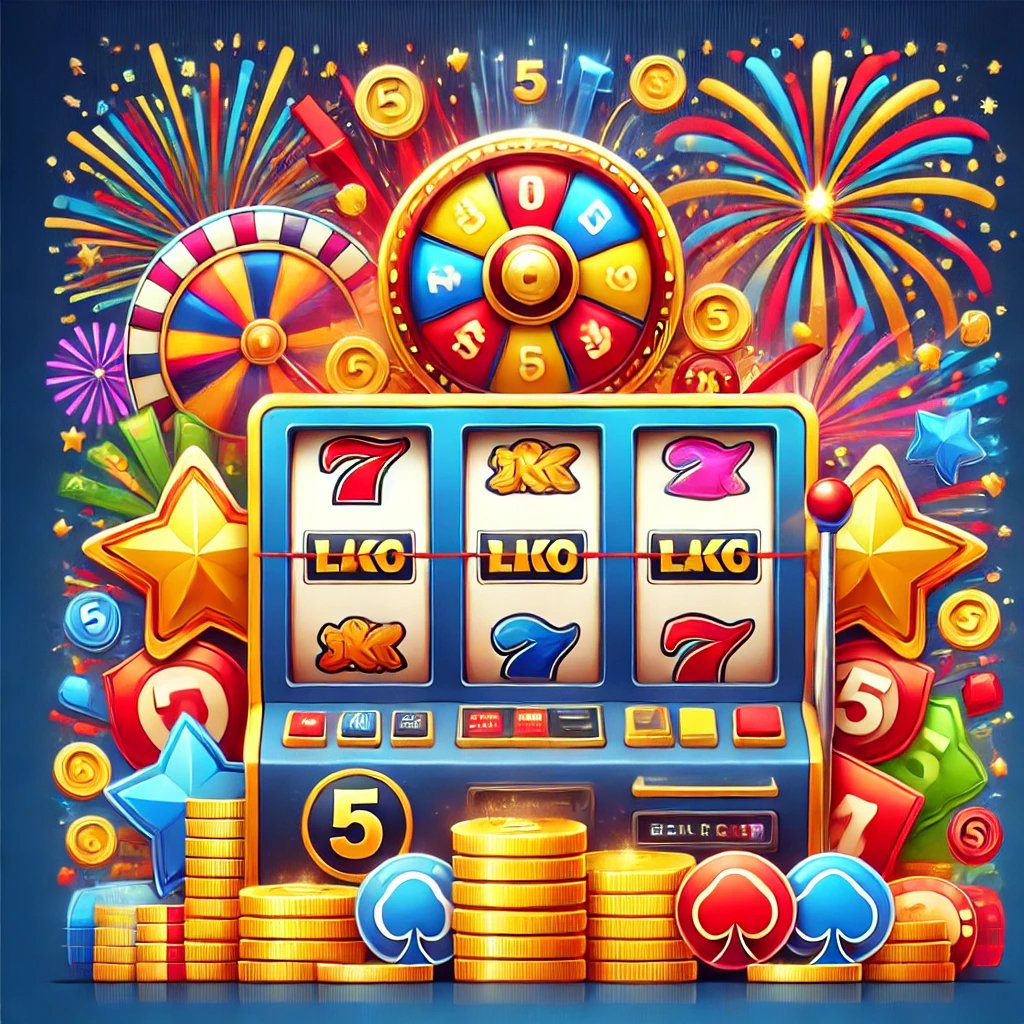
Few inventions have travelled as far as the slot machine. It began in the 1890s as a cast-iron box with three spinning reels in a San Francisco workshop, and it now lives in the pocket of almost every adult on earth, rendered in software and bright animation. The journey from clanking machinery to the modern phone slot took more than a century, and each step along the way changed not just how the game looked, but who played it, where they played it, and what a single spin could deliver.
The Liberty Bell and the First Reels
The story usually starts with Charles Fey, a Bavarian-born mechanic working in San Francisco. Earlier poker-based machines existed, but around 1895 Fey built the Liberty Bell, a simpler and more reliable design: three reels decorated with horseshoes, stars, bells and card suits. Line up three Liberty Bells and the machine paid out its top prize automatically — a genuine breakthrough, since earlier devices required an attendant to judge hands and pay winners by hand. The machine's honesty and simplicity made it a sensation in saloons. Fey could not build them fast enough, and imitators soon filled the gap, spreading the format across America.
The machines survived Prohibition and various gambling bans by shape-shifting into trade stimulators and gum vendors, which kept them in public view until legal casinos in Nevada gave them a permanent home in 1931. From there, the slot floor slowly grew from a sideshow for waiting companions into the main revenue engine of the casino — a status it has never surrendered since.
Fruit Symbols, Bars and the Electromechanical Leap
In the early twentieth century, manufacturers swapped card suits for fruit symbols — cherries, lemons, plums — partly because some machines paid out in fruit-flavoured gum, making the reels a cheerful advertisement for the prize. The famous BAR symbol began life as a gum company's logo. For decades the machines stayed mechanical, growing larger and more ornate, until the 1960s brought electromechanical designs. Bally's Money Honey, released in 1963, replaced springs and levers with circuits, allowing bigger coin hoppers, automatic payouts of up to 500 coins, and a faster, flashier game that pulled in a new generation of casino visitors.
The Video Era Changes Everything
The next leap arrived in the 1970s, when a Las Vegas company built a slot using a modified television screen. Players were suspicious at first — where were the reels? — but video slots removed every physical limit. Reels could hold any number of symbols, odds could be weighted invisibly by software, and a random number generator could decide results thousands of times per second. This is also when linked progressive jackpots became possible, pooling small contributions from many machines into prizes that could change a life. The humble three-reel box had become a computer wearing a costume.
The random number generator deserves credit for the modern game's fairness as well as its flexibility. Because it cycles through numbers constantly, even while nobody is playing, the instant you press spin is what selects your result. No pattern, timing trick or hot streak changes that — a fact regulators test rigorously before any game is allowed to reach the floor.
Slots Move Online, Then Onto Phones
When casinos moved onto the internet in the late 1990s, the slot was their natural flagship: it needed no dealer, no table and no other players. Developers raced to recreate the casino floor online, then quickly realised software allowed things no cabinet could — bonus games that played like video games, stories that unfolded across sessions, and themes limited only by imagination. The smartphone completed the journey. Touchscreens made spinning tactile again, app stores put a casino in every pocket, and short, colourful sessions fit into commutes and coffee breaks. Fey's iron box, in spirit, is still recognisable: three symbols, one spin, a moment of hope.
What has never changed is the core pleasure — a brief, bright moment of uncertainty. The machinery around it has been reinvented four times over; the pause before the reels stop remains exactly as Fey's first customers felt it. It is a rare invention that can be transformed so completely, so many times, and still feel instantly familiar at first touch.
