

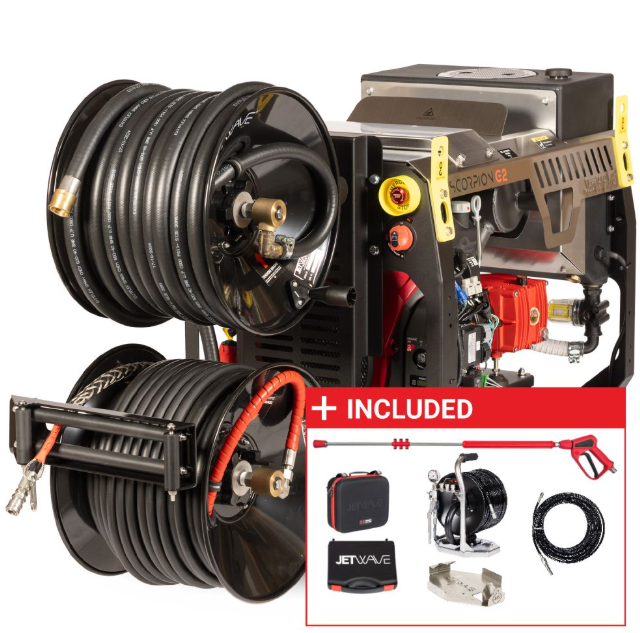
Heavy buildup can make professional cleaning more difficult, especially when dirt, sludge, grease, scale, and other deposits collect over time. Industrial sites, construction areas, workshops, tanks, drainage systems, and large outdoor surfaces may require more than routine cleaning methods to restore them to a suitable condition.
For demanding jobs, businesses need an approach that combines suitable equipment, the right water flow, and practical cleaning techniques. Choosing equipment around the application can make difficult work easier to manage while helping operators maintain more consistent results.
Water Pressure for Tough Cleaning Applications
Tough cleaning jobs can involve mud, grease, mineral scale, sludge, and other stubborn buildup. For these applications, Water Jetters can provide focused water pressure for demanding cleaning tasks, while Jetwave offers professional equipment for commercial and industrial use.
Before starting work, operators should consider the type of buildup, surface condition, and size of the area. Choosing suitable pressure, nozzles, hoses, and cleaning methods can help maintain consistent results.
Key Factors That Shape Cleaning Performance
Several elements can affect how well a high-pressure cleaning system performs:
- Water pressure: The pressure should suit the level of buildup and the surface being cleaned.
- Water flow: Adequate flow helps carry loosened dirt, sludge, and debris away from the working area.
- Nozzle choice: Different spray patterns can support different cleaning applications.
- Hose setup: Suitable hose length and connections can improve handling across larger spaces.
- Surface condition: Older, coated, or sensitive surfaces may require a more controlled approach.
- Cleaning frequency: Regular maintenance can prevent heavy deposits from becoming harder to remove.
Considering these factors before each job can help operators reduce unnecessary adjustments and keep the cleaning process organised.
Building a More Reliable Cleaning Process
A well-organised cleaning process can help operators match the right equipment, pressure, and accessories to each job for more consistent results.
Assess the Contamination
Understanding what needs to be removed is an important first step. Grease, sludge, scale, mud, and general debris may respond differently to pressure cleaning.
A clear assessment allows operators to choose a suitable cleaning method instead of using the same approach for every situation.
Match the Equipment to the Job
The right machine and accessories should reflect the actual requirements of the application. Pressure, water flow, hose length, and nozzle selection should work together rather than being chosen separately.
This can help operators maintain steady performance while avoiding unnecessary equipment changes during a job.
Maintain the Cleaning System
Regular maintenance supports dependable operation. Hoses, fittings, connections, pumps, nozzles, and other components should be inspected for wear, leaks, or damage before and after use.
Keeping equipment clean, organised, and properly stored can also help reduce interruptions and support longer service life.
Clearing Tough Deposits From Difficult Surfaces
Demanding cleaning work often takes place in environments where heavy contamination is part of everyday operations. Construction sites may deal with mud and debris, workshops may face grease and residue, while industrial facilities can require the removal of scale, sludge, and accumulated material.
Using Water Jetters as part of a suitable cleaning process can help businesses manage these challenges more efficiently. Jetwave offers professional solutions for a range of commercial and industrial applications, giving operators access to equipment designed around demanding cleaning requirements.
A practical setup should also account for worker safety, access to the cleaning area, drainage, and the disposal of loosened material. Preparing these details in advance can make large or difficult cleaning jobs more manageable.
Keep Tough Cleaning Work Moving Forward
Heavy buildup does not always need to become a major operational problem. With suitable equipment, careful preparation, and a consistent cleaning routine, businesses can deal with difficult contamination while keeping daily work better organised.
The key is to match the cleaning system to the job rather than relying on a one-size-fits-all method. This approach can support cleaner surfaces, smoother operations, and more reliable results across demanding applications.
Explore professional water jetting solutions from Jetwave for challenging commercial and industrial cleaning work.
