

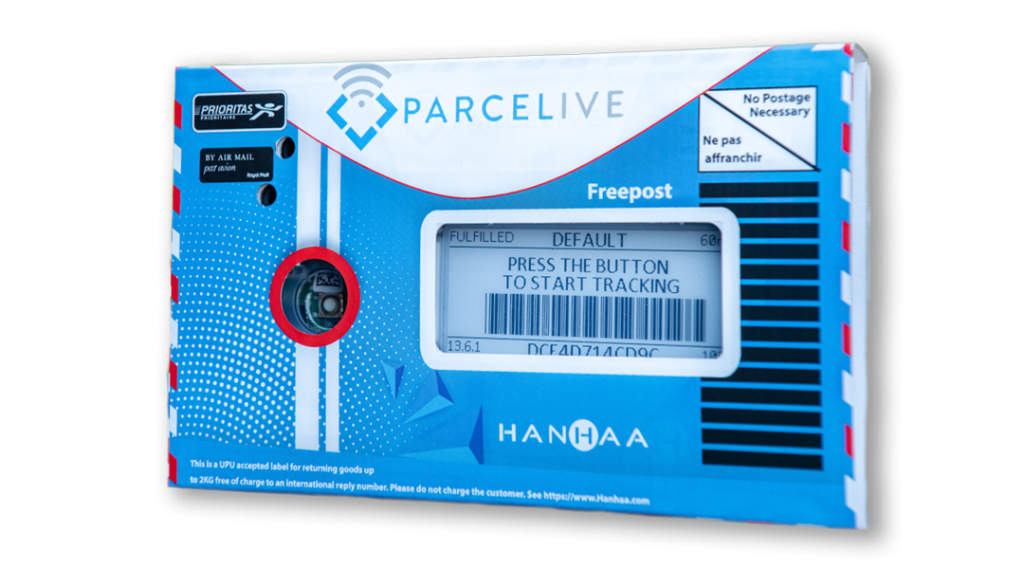
Shipment delays used to be an unfortunate reality that customers simply accepted as inevitable. That era is largely over and today, the expectation is transparency at every stage, and businesses that fail to provide it are losing ground to those that can. Supply chain visibility has shifted from a nice-to-have feature into something that shapes buying decisions, loyalty, and long-term commercial relationships.
The pressure to deliver real-time updates is not just coming from consumers. B2B clients, freight buyers, and operations teams are all asking the same questions: where is the shipment, what condition is it in, and when will it arrive? Universal courier tracking gives logistics operators and their customers a unified view of all active shipments, replacing fragmented carrier portals and manual status checks with one reliable data source.
When Silence Costs More Than a Delay
The Hidden Price of Poor Communication: Businesses often underestimate how much a lack of real-time updates costs them. When customers cannot track their orders, they contact support teams, generate tickets, and sometimes cancel future orders entirely. Each of those interactions represents a preventable cost, one that could be eliminated with proactive, automated status communication built into the logistics workflow.
What Customers Actually Expect Now: Expectations have shifted significantly. Real-time updates are no longer seen as premium service. They are considered standard. Companies still relying on end-of-day email summaries or manual status calls are, perhaps without realising it, leaving a visible gap that competitors with live tracking tools can easily step into and own.
The Data That Changes How Decisions Get Made
Turning Shipment Data Into Operational Intelligence: Knowing where a shipment is at any given moment is useful. Knowing its condition, how long it has spent at a particular location, and whether it has deviated from its planned route is something else entirely. That level of detail allows logistics managers to act before problems escalate rather than responding after damage is already done.
Geofence Alerts and What They Actually Prevent: Geofence alerts are triggered the moment a shipment moves outside a pre-defined geographic boundary. This may sound like a minor feature, but in practice it catches unauthorised route deviations, warehouse delays, and potential security incidents early. The response time difference between a manual check and an automated alert can easily be measured in hours, not minutes.
Recording the Journey, Not Just the Destination: Continuous data capture across a full shipment journey creates a detailed record that goes well beyond a simple delivery confirmation. Logistics teams can review exactly what happened at each stage, identify where delays occurred, and use that data to improve routing decisions. Over time, this builds a clearer picture of where the supply chain performs well and where it consistently does not.
What a Unified Visibility Platform Actually Looks Like
Single Dashboard, Multiple Carrier Feeds: One practical advantage of a unified tracking platform is consolidating data from multiple carriers and transport modes into one clarified view. This matters particularly for multimodal shipments moving across sea, road, rail, and air, where gaps between handoffs are historically where visibility breaks down and client communication becomes unreliable.
Cold Chain Monitoring and the Condition Data That Matters: Cold chain monitoring adds another layer to what real-time visibility can deliver. For shipments carrying pharmaceutical goods, perishable food, or temperature-sensitive components, knowing the exact temperature at every point in the journey is not optional. An alert at the right moment can prevent a full load rejection, saving significant cost and protecting client relationships.
Here are some of the visibility features that most directly shape customer experience and operational outcomes:
- Real-time location updates across all transport modes reduce inbound customer enquiries and support ticket volumes considerably.
- Custom alerting for condition events such as temperature breaches or shock detections allows teams to respond before cargo is compromised.
- Full journey history and playback provides accurate documentation for insurance claims and dispute resolution.
- Automated customer notifications push status updates at key checkpoints without requiring manual intervention from operations teams.
- API integration with existing ERP and TMS systems ensures tracking data flows directly into day-to-day operational workflows.
Alerts That Arrive Before the Problem Does
Event-Driven Notifications and What They Change: When a tracking system pushes an alert the moment a threshold is breached, it changes the entire rhythm of logistics management. Operations teams are no longer waiting for a customer complaint to discover something went wrong. They are ahead of the problem, with time to respond, reroute, or escalate before the situation reaches the client at all.
Giving Clients Access to Their Own Data: Some tracking platforms extend visibility directly to the shipper or end customer, providing them with their own dashboard access. This reduces back-and-forth between logistics providers and clients and gives both parties a shared, accurate view of the shipment. It is a structural change that can significantly reduce communication overhead on both sides.
Why Waiting to Adopt This Is a Risk in Itself
The Cost of Falling Behind on Visibility: Businesses that delay adopting real-time tracking tools are not simply missing a feature. They are accepting a structural disadvantage. Clients increasingly factor tracking capability into procurement decisions, and a logistics provider without it is not competing on a level playing field. That gap tends to widen rather than close over time.
Turning Visibility Into a Retention Tool: Supply chain visibility influences repeat business more directly than many businesses realise. When clients know they will receive accurate, timely updates on every shipment, they are far less likely to look elsewhere. The service experience becomes part of the value proposition, not just the price or transit time, and that shifts how client relationships are structured and sustained.
Where Visibility Takes Your Operations Next
Supply chain visibility is quickly becoming the baseline from which competitive advantage is built, not a feature to be added later. Businesses that invest in real-time tracking give clients something genuinely rare in logistics: certainty. If your operations are ready to move beyond fragmented carrier data and manual updates, connect with a specialist real-time tracking solutions provider to find out what full shipment visibility can deliver for your freight profile.
