

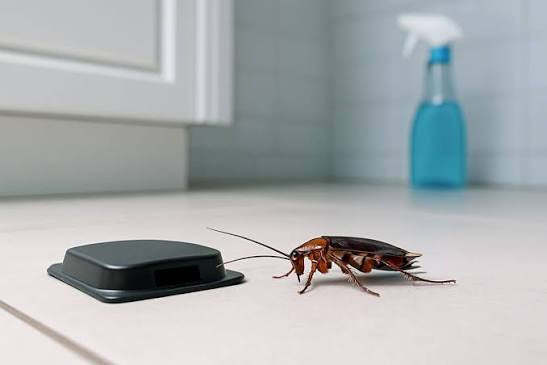
It is late after service, the kitchen has been cleaned, and the staff are preparing to close for the night. Then someone notices a cockroach moving behind the refrigerator or near the dry-storage shelves. Even one sighting can be concerning in a commercial kitchen because cockroaches rarely stay in open areas for long. They usually hide in cracks, behind equipment, near drains, and around warm appliances, which means visible activity may indicate a larger issue nearby.
For cafés, restaurants, catering facilities, and other food businesses, cockroach prevention needs to be part of everyday kitchen management. These pests are attracted to food residue, moisture, warmth, and sheltered spaces. Without consistent hygiene, maintenance, and monitoring, a small problem can develop into an infestation that affects food safety, operations, and customer confidence. Where ongoing activity is identified, professional cockroach control Melbourne services can help support long-term prevention.
Why Cockroaches Thrive in Commercial Kitchens
Commercial kitchens provide many of the conditions cockroaches need to survive. Food preparation creates crumbs, grease, spills, and waste throughout the day. Dishwashing areas, cool rooms, sinks, and floor drains can also provide regular access to moisture. Warm equipment, such as ovens, refrigerators, dishwashers, motors, and hot-water systems, creates protected harbourage areas where cockroaches can hide during the day.
Busy kitchens are particularly vulnerable because some areas are difficult to clean thoroughly. Food debris can build up beneath appliances, behind shelving, inside cupboard corners, and around pipework. Cardboard boxes, unused equipment, and cluttered storage areas can also provide shelter and breeding spaces.
Cockroaches are not simply an unpleasant sight. They can contaminate food, utensils, packaging, and preparation surfaces as they move through waste areas, drains, and hidden crevices. Australian food businesses are expected to take reasonable steps to prevent pests from entering or living on their premises and to remove pest problems when they occur.
Keep Food and Waste Under Control
Food availability is one of the strongest factors behind recurring cockroach activity. Even small amounts of residue can support pests, particularly overnight when kitchens are quiet. Cleaning routines should therefore extend beyond visible benches and floors.
Preparation surfaces should be wiped and sanitised throughout the day, while spills should be dealt with as soon as they occur. Grease around cooktops, fryers, splashbacks, and exhaust areas also needs regular attention because it can accumulate quickly and become a persistent food source. Equipment should be moved or accessed often enough to clean beneath and behind it, especially refrigerators, freezers, dishwashers, and storage racks.
Dry goods should be stored in sealed containers rather than left in open bags or damaged packaging. Deliveries should also be checked before being brought into storage areas, as cockroaches and egg cases can sometimes be transported in cartons, crates, or packaging. Reducing unnecessary cardboard in the kitchen can limit hiding places and make inspections easier.
Waste management is equally important. Bins should be emptied regularly, cleaned, and kept closed with secure-fitting lids. External waste areas should not be overlooked, as overflowing bins and poorly maintained rubbish zones can attract pests that later enter the building. Food safety guidance also recommends cleaning the kitchen, equipment, and storage areas thoroughly before closing, rather than leaving residue overnight.
Remove Moisture and Repair Leaks
Cockroaches need water to survive, so moisture control is a key part of prevention. A dripping tap, leaking pipe, damaged seal around a sink, or standing water beneath equipment can create a reliable water source. These issues are often hidden behind appliances or inside cabinets, allowing cockroaches to remain undisturbed.
Commercial kitchens should inspect plumbing connections, drains, dishwasher areas, cool rooms, and under-sink spaces regularly. Any leaks should be repaired promptly, while unnecessary containers of water should be removed. Floor drains should be kept clean and fitted with suitable grates, as drains can provide both moisture and access points.
Cleaning schedules should also account for wet mops, cloths, and equipment left to dry overnight. These items can retain moisture and create sheltered areas that encourage pest activity.
Block Entry Points and Harbourage Areas
Cockroaches can enter through small gaps around doors, pipes, drains, vents, wall openings, and service penetrations. They can also move between neighbouring tenancies through shared walls, ceilings, and plumbing systems. Pest-proofing is therefore just as important as cleaning.
Cracks and crevices around skirting, wall junctions, cupboards, and pipework should be sealed where practical. Doors should close properly, and weather strips can help reduce gaps at ground level. Fly-screens, self-closing doors, and air curtains may also help reduce pest entry in busy service areas. Unused equipment, broken furniture, and unnecessary storage should be removed because clutter creates dark, protected harbourage sites.
Particular attention should be given to areas behind large appliances and inside wall cavities. These spaces are warm, quiet, and difficult to access, making them common locations for cockroach activity.
Build Prevention Into Daily Kitchen Routines
Prevention works best when it is part of the kitchen’s normal operating routine rather than an occasional response to sightings. Staff should know what signs to look for, including:
- Live cockroaches.
- Droppings.
- Egg cases.
- Shed skins.
- Unusual odours.
- Damage to food packaging.
Sightings should be recorded with the date, location, and time so patterns can be identified.
Sticky monitoring traps can help detect activity in concealed areas and track whether cockroach numbers are increasing or decreasing. They should be placed away from food preparation surfaces and checked routinely. Monitoring is useful because it can reveal activity before cockroaches become visible during service hours.
A documented pest management plan can also support consistent action. Food safety guidance recommends identifying areas requiring inspection and treatment, recording pest-control device locations, and ensuring that pesticides or dead pests cannot contaminate food or food-contact surfaces.
When Professional Cockroach Control Melbourne Is Necessary
Cleaning and exclusion can greatly reduce risk, but they may not resolve an established infestation. Cockroaches reproduce quickly and can remain hidden in electrical equipment, wall voids, drains, and inaccessible gaps. Repeated sightings, daytime activity, droppings, or recurring cockroach problems after cleaning are signs that further action may be required.
Professional treatment can identify harbourage areas and use methods suited to commercial food-handling environments. Baits are often useful because they can target cockroaches in cracks and concealed spaces while reducing the need for broad surface spraying. However, treatment is most effective when paired with hygiene improvements, moisture control, and follow-up monitoring. Poor sanitation can limit the effectiveness of chemical control.
From a professional pest management perspective, successful long-term control is achieved by combining targeted treatment with good housekeeping and routine monitoring. Identifying the source of the infestation is just as important as treating the visible cockroaches.
For businesses managing persistent activity, cockroach control Melbourne services can provide inspection, treatment, and practical advice on preventing repeat problems in food preparation areas.
FAQs
Why are cockroaches common in commercial kitchens?
Commercial kitchens provide food residue, water, warmth, and hidden spaces around equipment, drains, and storage areas. These conditions can support cockroach activity if cleaning and maintenance are inconsistent.
Can one cockroach sighting indicate an infestation?
Not always, but it should be taken seriously. Cockroaches are nocturnal and tend to remain hidden, so a visible insect may suggest activity in nearby harbourage areas.
Do cockroaches contaminate food?
Yes. Cockroaches can move through waste, drains, and contaminated areas before travelling across food, utensils, packaging, and preparation surfaces.
How often should a commercial kitchen be checked for cockroaches?
High-risk areas such as drains, under-sink spaces, storage rooms, and behind equipment should be checked regularly. Monitoring traps should also be inspected as part of routine pest management.
Are sprays enough to control cockroaches?
Sprays alone are rarely enough because cockroaches hide in cracks and inaccessible areas. Effective control usually requires cleaning, sealing entry points, moisture management, monitoring, and targeted treatment.
What should staff do after seeing a cockroach?
Staff should record where and when it was seen, inspect nearby areas for signs of activity, clean the location thoroughly, and report the issue so that appropriate monitoring or treatment can be arranged.
