

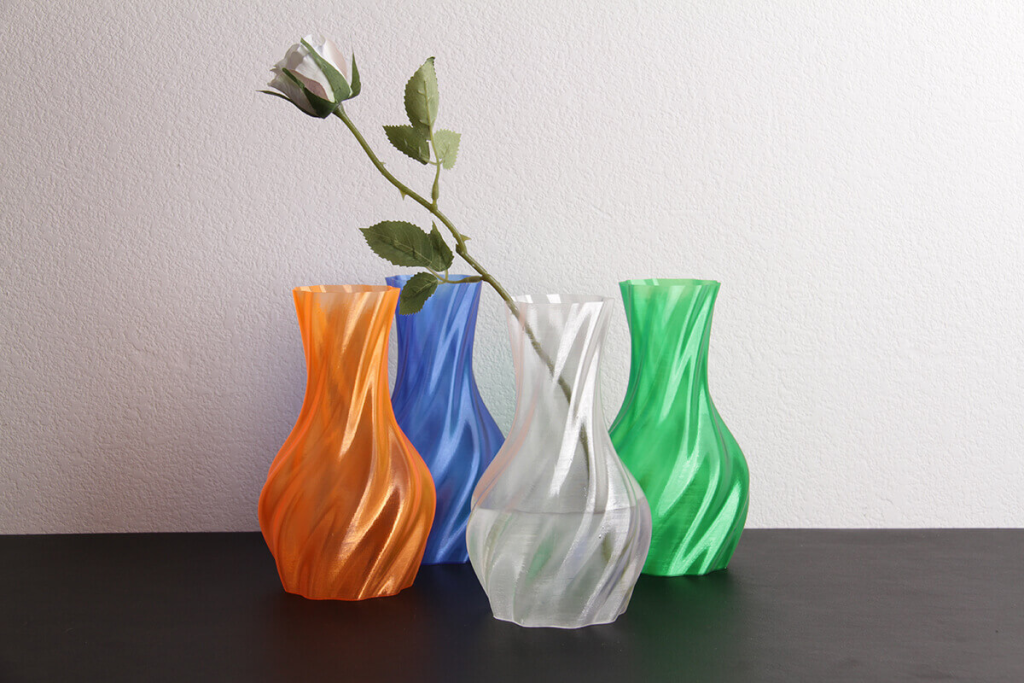
Getting reliable results with PETG takes more than choosing a quality filament. Every successful print depends on careful calibration, the right printer settings, and a good understanding of how the material behaves. Whether you create functional parts, prototypes, or decorative models, consistent printing helps reduce wasted material, improves surface quality, and saves valuable time. Modern PETG materials have become a favorite choice because they combine strength, flexibility, chemical resistance, and durability in a way that suits both hobbyists and professionals.
Manufacturers like eSUN have developed high-quality PETG and PETG-Basic filaments that offer dependable performance across many desktop 3D printers. These materials are designed to deliver smooth extrusion, excellent layer bonding, and stable printing when properly calibrated. This guide explains the most important calibration tips that help maintain printing consistency while exploring how quality PETG filament can improve overall print reliability for users seeking dependable everyday results.
Understanding PETG and PETG-Basic Material Behavior
PETG is widely recognized as one of the most balanced 3D printing materials available today. It combines many of the best qualities of PLA and ABS by offering excellent mechanical strength while remaining relatively easy to print. PETG resists moisture better than PLA, provides impressive impact resistance, and creates durable parts suitable for indoor and outdoor applications. These characteristics make it a popular choice for engineering projects, mechanical components, enclosures, and functional prototypes that require long-term durability.
PETG-Basic offers many of these same advantages while focusing on reliable daily printing performance for users who want consistent results without unnecessary complexity. High-quality filaments from manufacturers such as eSUN are produced with tight diameter tolerances and consistent material composition, helping reduce common issues like uneven extrusion or dimensional variation. Understanding how both materials react to temperature, cooling, and movement allows users to make smarter calibration decisions that improve print quality throughout long production runs.
Perfecting Temperature Calibration for Stable Extrusion
Temperature calibration is one of the most important steps for achieving consistent PETG printing. Every printer has slight hardware differences, including heater performance, thermistor accuracy, nozzle design, and airflow. Even premium PETG filament performs best when users identify the ideal extrusion temperature for their specific machine. Printing too cold may produce weak layer adhesion, rough surfaces, and under-extrusion, while temperatures that are too high can create excessive stringing, blobs, and reduced dimensional accuracy.
Running a temperature tower is an effective way to identify the ideal nozzle temperature for both PETG and PETG-Basic. This simple calibration test reveals how the material performs across different temperature ranges while allowing users to compare surface finish, layer bonding, bridging, and overhang quality. Once the optimal temperature is identified, keeping the printer in a stable environment helps maintain consistency across multiple prints. Heated beds also play an important role by improving first-layer adhesion and minimizing warping, especially when printing larger functional models that require dependable dimensional stability.
Optimizing Retraction and Print Speed for Cleaner Results
Retraction settings greatly influence print quality when working with PETG materials. Because PETG naturally remains slightly more fluid than PLA during extrusion, excessive retraction can introduce air into the melt zone, increasing the chance of inconsistent extrusion or nozzle clogs. On the other hand, insufficient retraction often results in fine strings appearing between travel movements. Finding the proper balance depends on the printer’s extruder type, nozzle size, and print speed.
Print speed also affects consistency throughout the entire printing process. Moderate printing speeds allow PETG filament to flow evenly while giving each layer enough time to bond properly with the previous one. Rapid movement may reduce print time, but it can introduce vibration, inconsistent extrusion, and reduced layer adhesion. High-quality PETG and PETG-Basic materials from trusted manufacturers like eSUN support stable printing across a wide range of machines, yet gradual calibration of retraction distance, travel speed, acceleration, and printing speed remains essential for achieving smooth surfaces, accurate dimensions, and dependable mechanical strength.
Improving Bed Adhesion and First Layer Accuracy
The first layer serves as the foundation for every successful 3D print. Even perfectly calibrated extrusion settings cannot compensate for poor bed adhesion or incorrect nozzle height. PETG requires careful first-layer adjustment because excessive nozzle pressure may cause the material to bond too strongly to certain build surfaces, while excessive distance reduces adhesion and creates uneven extrusion. A properly leveled print bed remains one of the most valuable investments in print consistency.
Regular bed leveling, clean build surfaces, and proper Z-offset calibration all contribute to dependable first-layer performance. Many users find excellent results with textured PEI sheets or build surfaces recommended by their printer manufacturer. Applying a suitable release layer when necessary can also protect the print surface while maintaining strong adhesion during printing. High-quality PETG filament with consistent diameter, such as products available through eSUN, further supports accurate first-layer extrusion by minimizing fluctuations in material flow that could otherwise affect adhesion and dimensional precision throughout the print.
Fine-Tuning Cooling, Flow Rate, and Moisture Control
Cooling settings significantly influence PETG print quality. Unlike PLA, which often benefits from maximum cooling, PETG generally performs better with moderate airflow that allows layers to fuse effectively while still preserving detail on bridges and overhangs. Excessive cooling may reduce layer adhesion, while insufficient cooling can soften small features and produce less defined edges. Finding the right cooling balance helps maintain structural integrity without sacrificing appearance.
Flow rate calibration is equally important because even small over-extrusion or under-extrusion errors accumulate across hundreds of layers. Performing extrusion multiplier or flow calibration tests ensures that the printer deposits the correct amount of material for every layer. Moisture control should never be overlooked since PETG is hygroscopic and gradually absorbs humidity from the surrounding environment. Wet filament often produces popping sounds, rough surfaces, inconsistent extrusion, and weaker mechanical properties. Storing PETG and PETG-Basic in airtight containers with desiccant and drying the filament when needed helps maintain excellent printing consistency while extending filament usability for future projects.
Choosing Quality Filament for Long-Term Printing Success
Printer calibration is only one part of achieving reliable 3D printing results. Filament quality directly influences extrusion stability, dimensional accuracy, layer consistency, and final surface finish. Variations in filament diameter, impurities, or inconsistent material formulation can create print defects even when calibration settings appear correct. Choosing a trusted manufacturer helps eliminate many of these variables before printing even begins.
eSUN has established a strong reputation within the 3D printing community by producing reliable filament materials that support consistent performance across numerous printer brands and applications. Their PETG and PETG-Basic products are designed to provide dependable extrusion, strong layer adhesion, excellent toughness, and smooth surface quality suitable for prototypes, engineering components, educational projects, and everyday functional prints. Combining premium PETG filament with routine calibration, preventive printer maintenance, clean nozzles, and controlled storage conditions creates a workflow that delivers repeatable, professional-looking results while minimizing failed prints and unnecessary material waste.
Conclusion
Consistent PETG printing is achieved through a combination of quality materials, careful calibration, and regular printer maintenance. Temperature tuning, retraction adjustment, first-layer optimization, flow calibration, cooling control, and proper filament storage all work together to improve print reliability. Small improvements in each area produce significant gains in overall print quality, allowing users to create stronger, cleaner, and more accurate models with greater confidence.
Using dependable materials such as PETG and PETG-Basic from trusted manufacturers like eSUN provides an excellent foundation for consistent 3D printing success. When paired with proper calibration techniques and thoughtful printer setup, these filaments deliver the strength, durability, and dimensional accuracy needed for everything from functional engineering parts to everyday creative projects. By following these expert calibration practices, users can maximize the performance of their PETG filament while achieving dependable printing consistency on every build.
