

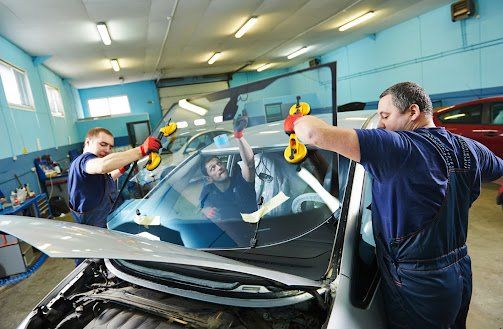
Vehicle glass often receives less attention than tires, brakes, or engine maintenance, yet it plays an essential role every time you drive. A clean, undamaged windshield provides a clear view of traffic, while side and rear windows contribute to visibility and everyday driving comfort.
Damage can occur suddenly. A flying stone, falling debris, road vibration, or an accidental impact may leave behind anything from a tiny chip to a noticeable crack. Knowing when to consider auto glass repair can help drivers respond before minor damage becomes more difficult to manage.
Rather than waiting for a crack to spread, it makes sense to understand the warning signs and build glass inspection into regular vehicle care.
Auto Glass Does More Than Keep the Weather Out
Many people think of vehicle glass primarily as protection from wind, rain, snow, and road debris. While those functions are important, the windshield also contributes to the overall integrity of the vehicle.
Most importantly, drivers rely on clear glass for an unobstructed view. Anything that creates distortion, glare, or distraction can make it harder to monitor surrounding traffic.
For that reason, damaged glass should be treated as a maintenance concern rather than simply a cosmetic flaw.
Five Signs Your Vehicle Glass Needs Attention
Some glass problems are obvious, while others develop slowly. Recognizing early warning signs makes it easier to decide when an inspection is worthwhile.
1. A New Stone Chip Has Appeared
Small chips commonly occur when loose gravel or road debris strikes the windshield. The vehicle may remain completely usable, which makes the damage tempting to ignore.
However, the impact creates a weakened area that can experience further stress during normal driving.
2. A Crack Is Getting Longer
A crack that changes noticeably deserves prompt attention. Once damage begins spreading across the glass, continued vibration and temperature changes may encourage further expansion.
Checking the windshield regularly can help you notice changes before they become extensive.
3. Damage Is Affecting Visibility
A chip located directly in front of the driver can be distracting even when it is relatively small.
Direct sunlight and approaching headlights may reflect through damaged glass differently, creating additional glare. Rain can make these visual effects more noticeable.
4. Damage Is Close to the Edge
The position of a chip or crack matters. Damage close to the perimeter of a windshield may require careful assessment because the edges are important to the glass’s overall stability.
Avoid assuming that a small mark near an edge is harmless simply because it has not spread yet.
5. You Notice Several Impact Points
Multiple chips can indicate repeated exposure to road debris. Each damaged area should be assessed individually because one impact may differ significantly from another in depth, location, and condition.
What Causes Auto Glass Damage?
Loose stones are among the most familiar causes, but they are not the only risk.
Construction debris, falling branches, severe weather, accidental contact, and objects thrown from the road can damage vehicle glass. Rapid temperature changes may also place stress on an existing chip or crack.
Driving conditions matter too. Rough pavement and potholes create vibration throughout the vehicle, which can affect glass that is already compromised.
What Should You Do After Discovering Damage?
Start by examining the affected area without pressing on it. Determine whether you can see small cracks extending from the impact point.
Next, avoid unnecessary temperature extremes. If the windshield is extremely cold, warming it gradually is preferable to applying sudden intense heat.
Keep the damaged area reasonably clean, but do not scrape inside a chip with sharp objects.
Drivers who want an evaluation can look for local vehicle glass assistance and have the damage professionally assessed.
Repair or Replacement: Why Assessment Matters
The appropriate response depends on the individual condition of the glass. There is no single rule based only on the visible diameter of a chip.
A professional assessment may consider the size, depth, shape, position, and age of the damage. Whether dirt or moisture has entered the impact point can also matter.
Location Can Change the Situation
Two chips of similar size may require different approaches if they appear in different parts of the windshield.
For example, an impact near an edge may raise different concerns from a contained mark farther from the perimeter. Likewise, damage within the driver’s primary viewing area deserves careful consideration because clear visibility is essential.
Everyday Habits That Help Protect Vehicle Glass
You cannot control every stone on the road, but sensible driving habits may reduce unnecessary exposure.
Leave adequate distance behind other vehicles, especially on roads covered with gravel or construction debris. Avoid following large vehicles too closely when loose material is present.
Reduce speed on badly damaged surfaces when it is safe to do so. This can decrease harsh vibration and reduce the force of debris impacts.
Regular cleaning is useful as well. A clean windshield makes small chips easier to identify before they become larger or more noticeable.
Include Glass in Routine Vehicle Checks
A quick inspection can take less than a minute. Look across the windshield, side windows, and rear glass when washing the vehicle or before a long journey.
Catching a new impact mark early gives you more time to have it evaluated before daily driving conditions place additional stress on it.
Conclusion
Vehicle glass deserves the same consistent attention as other important parts of a car. Chips, cracks, and impact marks may start small, but weather, road vibration, moisture, and temperature changes can alter their condition.
The best approach is simple: inspect the glass regularly, pay attention to changes, protect damaged areas from unnecessary stress, and seek an assessment when something does not look right.
By making vehicle glass care part of routine maintenance, drivers can preserve clearer visibility and deal with minor damage before it becomes a much larger concern.
