

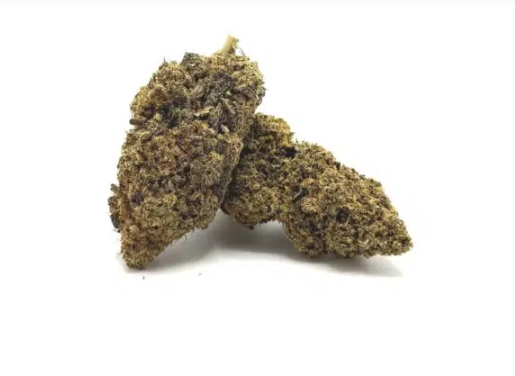
A familiar cannabis strain name can make a flower product seem easy to understand, but a name rarely tells the complete story. Online cannabis flower listings can contain several specifications that help shoppers distinguish one product from another, including strain information, classification, cannabinoid content, package size, pricing, and product descriptions.
For shoppers researching cannabis flower online, a systematic approach can make this information easier to use. Instead of choosing a product based only on a familiar name, a shopper can examine the available details and gradually narrow a large collection into a smaller shortlist.
Online product pages are particularly useful because several pieces of information can often be reviewed in one place. This allows shoppers to compare similar flower products using consistent criteria. A repeatable research process can also make future shopping more efficient, especially when a cannabis store offers a broad selection.
Begin With the Flower Category
Starting with the correct product category is one of the simplest ways to make online cannabis research more manageable. A store may offer flower alongside pre-rolls, concentrates, edibles, vapes, and CBD products. If the objective is to research cannabis flower, beginning with the flower category removes unrelated formats from the comparison.
Category pages can also make it easier to use available filters or sorting options. Depending on the store, shoppers may be able to narrow products according to characteristics such as type, brand, price, or other available specifications. These tools can reduce the number of listings that need to be examined individually.
Separating flower from pre-rolls is particularly important because the two formats can have different packaging, quantities, and pricing structures. A flower product may be sold by weight, while pre-rolls can be presented as individual units or multi-unit packages. Comparing them solely by listed price can therefore produce an inaccurate picture.
Starting with the flower category also establishes a clear research boundary. Instead of browsing an entire cannabis collection without a specific direction, shoppers can focus on products that match the intended format.
The next step is to create a preliminary shortlist. Several flower listings can be opened and reviewed before any decision is made. This allows the shopper to identify which products contain enough information for a meaningful comparison.
Investigate the Strain and Classification
Strain names are useful identifiers, but they should be treated as a starting point rather than a complete description of cannabis flower. A strain name can help distinguish one listing from another and can make it easier to locate products with related names or classifications.
Online flower listings may also use classifications such as indica, sativa, or hybrid. These terms are commonly used to organize cannabis varieties and provide shoppers with a broad descriptive category. However, classification alone does not provide every detail about an individual flower product.
For research purposes, the strain name and classification should be considered alongside the other specifications displayed on the product page. A shopper examining two products with similar strain names can check whether they have the same listed cannabinoid information, package size, producer or brand details, and other available characteristics.
It is also important to review each product individually. Similar or identical strain names do not necessarily mean that two listings are identical products. Different producers, cultivation methods, batches, or product specifications can result in differences between listings.
This is why the strain name is best viewed as one research point among several. It helps identify the product, while the remaining information provides additional context for comparison. A careful shopper can therefore use strain terminology to organize a shortlist without allowing the name itself to determine the entire assessment.
Examine Cannabinoid Information
Cannabinoid information provides another important layer of research when examining cannabis flower online. THC is often listed as a percentage for flower, while other cannabinoids such as CBD may also appear on the product page. These numerical specifications allow shoppers to distinguish products that might otherwise appear similar based on their names or classifications.
When comparing cannabis flower, it is useful to review cannabinoid figures using the same measurement format. For example, two flower products can be compared more directly when both list THC as a percentage and have similar package sizes. The numbers then become one of several objective specifications that can be recorded during the research process.
Cannabinoid information should not, however, be treated as a guarantee of how a particular person will experience a product. Numerical content describes what is listed for the product, but individual experiences can differ. For that reason, cannabinoid figures are most useful as comparison information rather than predictions.
This approach can be applied when browsing a Canadian online cannabis shop such as Doctor Dutch. The site allows customers to browse categories including flower, concentrates, edibles, vapes, and CBD products. Someone researching flower can use the Doctor Dutch shop as a starting point for reviewing available product information and then examine individual listings more closely.
For shoppers researching an online dispensary in Canada, the same principle applies: product numbers are most useful when considered within the wider context of the listing. THC and CBD information can help differentiate products, but strain details, classification, package size, and the complete product description should also be reviewed.
A strong research process therefore does not stop after finding a particular cannabinoid percentage. Instead, cannabinoid information becomes another data point that helps narrow the selection.
Assess Product Size and Pricing
Price can be one of the most noticeable details on a cannabis flower product page, but it should not be examined separately from package size. Two listings can have different prices while containing different amounts of flower, making a direct sticker-price comparison misleading.
Package weight is particularly important when researching flower. A shopper can compare the listed number of grams with the total price to understand how the products differ in quantity. When appropriate, calculating the cost per gram provides a more consistent way to compare products with different package sizes.
Several factors should be considered when examining price:
- Check the total package weight: A product with a lower listed price may simply contain less flower. Reviewing the number of grams before comparing prices ensures that the comparison is based on equivalent quantities rather than the headline price alone.
- Calculate cost per gram when useful: Dividing the total price by the number of grams provides a simple reference point for comparing packages of different sizes. This calculation does not determine product quality, but it gives shoppers a consistent way to examine pricing.
- Compare similar formats: Flower should generally be compared with flower when evaluating package prices. Pre-rolls and other formats may have different packaging and quantity structures, so their prices should not automatically be compared with loose flower.
- Review promotions carefully: Discounts or promotional pricing can change the amount a shopper actually pays. The regular price, promotional price, package size, and applicable conditions should be considered together when examining apparent value.
- Keep quantity and price together: Recording both figures prevents a common research mistake in which a product appears cheaper simply because its package is smaller. Price becomes more meaningful when the quantity is visible alongside it.
This method keeps pricing in perspective. Cost is one part of product research, while quantity and specifications provide the context needed to interpret it.
Read Descriptions and Product Details
A product title can identify a flower listing, but the description may provide additional details that are not visible from the name alone. Product pages can include information about strain, classification, cannabinoid content, weight, brand, appearance, aroma, flavour descriptions, or other specifications depending on the listing.
When researching cannabis flower, shoppers can separate factual product information from descriptive language. A stated package weight or cannabinoid percentage is a measurable specification. Descriptions of flavour, aroma, appearance, or overall character provide additional context but should not be treated as measurable guarantees.
The availability of detailed product information also makes it easier to identify gaps. If a particular specification is not provided, a shopper should avoid assuming that the missing detail has a particular value. An absent piece of information is simply information that has not been supplied on that page.
Reading the complete product listing can therefore prevent assumptions based on a product name alone. It also allows shoppers to identify details that may distinguish two products with similar strain names or classifications.
A useful research habit is to read the product title first, then examine the listed specifications, followed by the full description. This creates a consistent process and reduces the chance of overlooking important information.
For shoppers comparing several cannabis flower products, the product page effectively becomes a research record. Instead of relying on memory or assumptions, the shopper can refer directly to the specifications displayed for each listing.
Build a Personal Flower Shortlist
Once several product pages have been reviewed, the next step is to reduce the collection to a manageable shortlist. Comparing every available flower product can take unnecessary time, particularly when many listings share similar categories or names.
A shortlist of three to five relevant products provides enough options for comparison without creating excessive information. The same criteria can then be recorded for each product, making differences easier to identify.
A practical shortlist can include the following information:
- Strain or product name: Recording the exact name helps distinguish individual listings, especially when several products have similar terminology. This also makes it easier to return to a particular product page later.
- Classification: The listed indica, sativa, or hybrid classification can be recorded as part of the product profile. It provides a broad organizational category but should remain one factor among several.
- Cannabinoid information: THC and any other listed cannabinoid figures provide measurable specifications for comparison. Recording the units alongside the numbers prevents confusion between percentages and milligram quantities.
- Package size: The number of grams in each package gives essential context for comparing prices. It also prevents a smaller package from appearing directly equivalent to a larger one.
- Price: Recording the listed price allows the shopper to compare products using the same reference point. If package sizes differ, price can be considered alongside the calculated cost per gram.
- Relevant product details: Any additional factual specifications that distinguish one listing from another can be added to the comparison. This may include brand information or other details supplied on the product page.
Previous shopping experience can make this process increasingly efficient. Once shoppers become familiar with common cannabis terminology and measurements, they can identify relevant information more quickly. They may also learn which specifications matter most for their own comparison process.
The result is a repeatable research method: start with the flower category, investigate strain and classification, review cannabinoid information, examine size and pricing, read the full product description, and then create a focused shortlist.
Conclusion
Researching cannabis flower online involves more than recognizing a familiar strain name. A systematic process gives shoppers a clearer way to examine individual products and distinguish similar listings.
Starting with the flower category narrows the field, while strain names and classifications provide useful identifiers. Cannabinoid information adds measurable specifications, and package size gives important context when reviewing prices. Detailed product descriptions can then provide additional information that is not captured by the product title.
The final step is to bring these details together in a manageable shortlist. By comparing three to five relevant products using consistent criteria, shoppers can reduce confusion and avoid relying on assumptions.
A repeatable research process makes online cannabis flower browsing more organized. Rather than judging a product from its name alone, shoppers can work through the information available on each product page and use those documented specifications as the foundation for their comparisons.
