

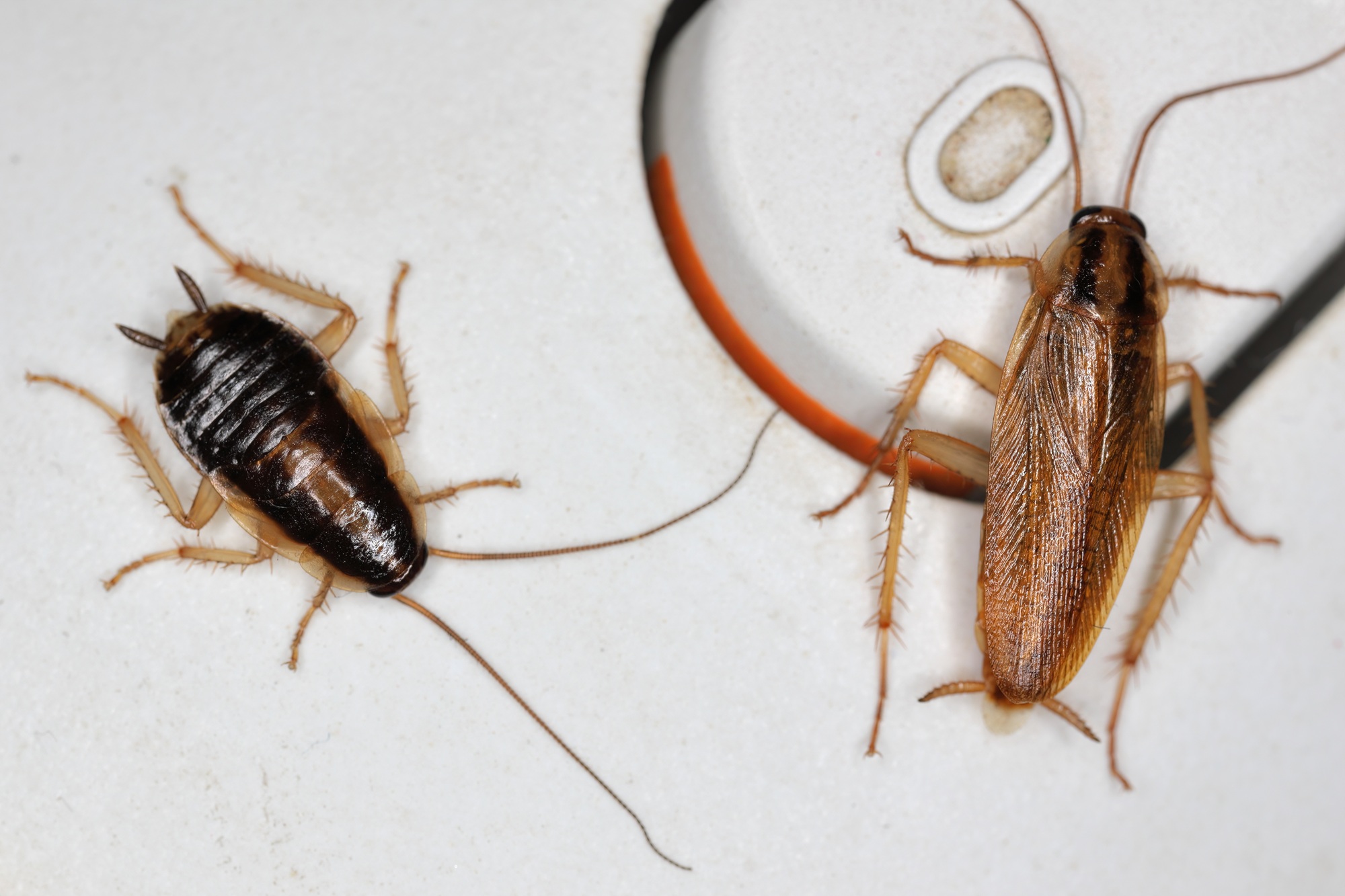
Dental clinics are expected to maintain high hygiene standards at every stage of patient care. Treatment rooms, sterilisation areas, sinks, storage spaces, and staff facilities must remain clean, organised, and safe. However, hidden moisture can quietly create conditions that attract cockroaches, even in clinics that appear well-maintained. A small leak behind cabinetry, condensation beneath equipment, or water collecting near a drain may not be immediately visible, but it can provide the moisture and shelter cockroaches need to survive, which is often the point at which professional cockroach pest control becomes necessary.
Because these pests are usually active at night and hide in narrow, dark spaces during the day, an issue can develop before staff notice obvious signs. Managing moisture is therefore an important part of maintaining a hygienic and professional clinical environment.
Why Moisture Attracts Cockroaches
Cockroaches are strongly attracted to warm, humid areas where they can access water, food residue, and protected hiding places. They can survive for extended periods with limited food, but they depend on moisture more consistently. This makes plumbing zones, drains, sinks, and areas behind appliances particularly appealing.
In a dental clinic, moisture may be present in places that are not routinely visible. Water can collect behind fixed cabinetry, beneath sterilisation units, inside wall cavities near plumbing, or around air-conditioning systems. These areas may remain undisturbed for long periods, giving cockroaches a secure harbourage close to a reliable water source.
Cockroaches can also move through wall voids, service penetrations, and plumbing routes. If moisture is available in one part of the clinic, activity may spread into nearby storage rooms, staff kitchens, bathrooms, or treatment areas.
Common Moisture Sources in Dental Clinics
The most common hidden moisture sources include:
- Leaking pipes, where even a slow drip beneath a sink or behind a cabinet can keep surrounding cabinetry, flooring, wall linings, and insulation damp.
- Faulty sinks and poorly maintained drainage, where water drains slowly, pools around fixtures, or leaks from seals, often in difficult-to-clean areas.
- Sterilisation equipment that creates condensation or minor leaks as seals, hoses, or connections begin to wear.
- Air-conditioning units that produce excess moisture when condensate lines are blocked, damaged, or poorly directed.
- Water dispensers, staff kitchen appliances, and cleaning areas, where spills or leaks are not addressed promptly.
Drains can also accumulate organic material, which can increase pest activity if the surrounding area is not properly maintained.
Signs of a Potential Cockroach Problem
A cockroach problem may not always begin with a visible sighting. The signs worth watching for include:
- Unusual musty or oily odours, particularly near sinks, cupboards, drains, or storage areas.
- Small dark droppings, shed skins, egg cases, or smear marks along walls and cupboards.
- Sightings around staff kitchens, waste areas, storage rooms, or water sources.
Cockroaches are mainly nocturnal, so daytime activity can indicate that the population is becoming established or that harbourage areas are crowded. It is also important to look beyond the area where a cockroach is seen. A sighting near a sink may point to a leaking pipe, a gap around plumbing, or dampness inside nearby cabinetry. Treating only the visible pest without identifying the moisture source can allow the problem to continue.
The Bigger Hygiene Risk
Cockroach activity can create serious hygiene concerns in a clinical setting. These pests travel through drains, waste areas, wall voids, and other contaminated spaces before moving across floors, cupboards, and surfaces. They can physically carry contaminants that may affect the cleanliness of the environment.
For dental clinics, even a minor pest issue can affect patient confidence. Patients expect treatment spaces to be visibly clean and professionally maintained. A cockroach sighting, unpleasant odour, or repeated pest concern can damage the clinic’s reputation and create questions about broader cleaning and maintenance practices.
Hidden moisture also creates a wider building-maintenance issue. Damp areas can encourage mould growth, damage materials, and make routine cleaning more difficult. Addressing moisture early supports both pest prevention and the long-term condition of the clinic.
Professional Cockroach Pest Control Solutions
A successful response should focus on the cause of the problem rather than relying only on a treatment. Routine inspections can help identify moisture-prone areas, including pipe connections, under-sink cabinets, floor drains, air-conditioning units, and equipment zones. Plumbing maintenance is especially important where water is used frequently throughout the day.
Professional cockroach pest control services can assess signs of activity, identify likely harbourage points, and recommend a treatment approach suited to a clinical environment. Effective management generally combines inspection, sanitation, moisture reduction, monitoring, and targeted treatment. Victorian health guidance also highlights the importance of reducing food, water, and shelter sources, repairing leaky pipes, sealing cracks, and carrying out follow-up monitoring.
In our experience, the clinics that stay clear of recurring activity are the ones that pair pest treatment with prompt repairs. Where activity is linked to hidden dampness, treatment alone is not enough, because cockroaches may continue to return to the same favourable conditions.
Preventive Measures for Dental Clinics
Preventive maintenance is one of the most reliable ways to reduce cockroach risk:
- Report leaking taps, slow drains, unusual odours, and water pooling as soon as they are noticed, and arrange prompt repairs.
- Remove waste regularly, keep bins closed, and avoid leaving food exposed in staff areas.
- Keep storage rooms orderly, so moisture issues and pest signs can be identified more easily.
- Check and seal gaps around pipes, cabinetry, and wall penetrations where appropriate.
Scheduled pest monitoring can provide early warning before an infestation becomes widespread. Sticky monitors placed in suitable non-clinical areas can help identify activity near sinks, drains, cupboards, and service spaces. Maintaining building water systems and assessing risks around sinks and drains are also important considerations for healthcare environments.
Maintaining a Clean and Professional Clinical Environment
Hidden moisture can undermine even the most careful cleaning routine. By addressing leaks, condensation, drainage issues, and possible pest harbourage areas early, dental clinics can reduce the conditions that allow cockroaches to establish themselves.
For clinics seeking practical support with hygiene maintenance, patient-facing care, and pest prevention, Dental Check-Up & Clean services and professional pest management advice can help maintain a clean, safe, and professional environment. If you have noticed any early signs of activity, get in touch with us to arrange an inspection.
FAQs
Why are cockroaches attracted to dental clinics?
Cockroaches are attracted to warmth, moisture, shelter, and accessible food residue. Sinks, drains, staff kitchens, waste areas, and hidden plumbing spaces can provide these conditions.
Can a small plumbing leak cause a cockroach problem?
Yes. A slow leak can create a consistent moisture source in hidden areas such as cabinets, wall cavities, or beneath equipment, making the space more suitable for cockroaches.
What are the first signs of cockroach activity?
Common signs include unusual odours, droppings, shed skins, egg cases, smear marks, and sightings near sinks, drains, cupboards, or storage rooms.
Are daytime cockroach sightings serious?
They can be. Because cockroaches are usually active at night, daytime sightings may indicate increased activity or a growing population nearby.
Can regular cleaning prevent cockroaches completely?
Regular cleaning is important, but it may not prevent cockroaches if hidden moisture, leaks, entry points, or harbourage areas remain. Moisture control and maintenance are equally important.
How often should a dental clinic arrange pest monitoring?
The right schedule depends on the clinic’s layout, building condition, nearby food areas, and previous pest history. Regular inspections and monitoring can help identify concerns before they become more difficult to manage.