

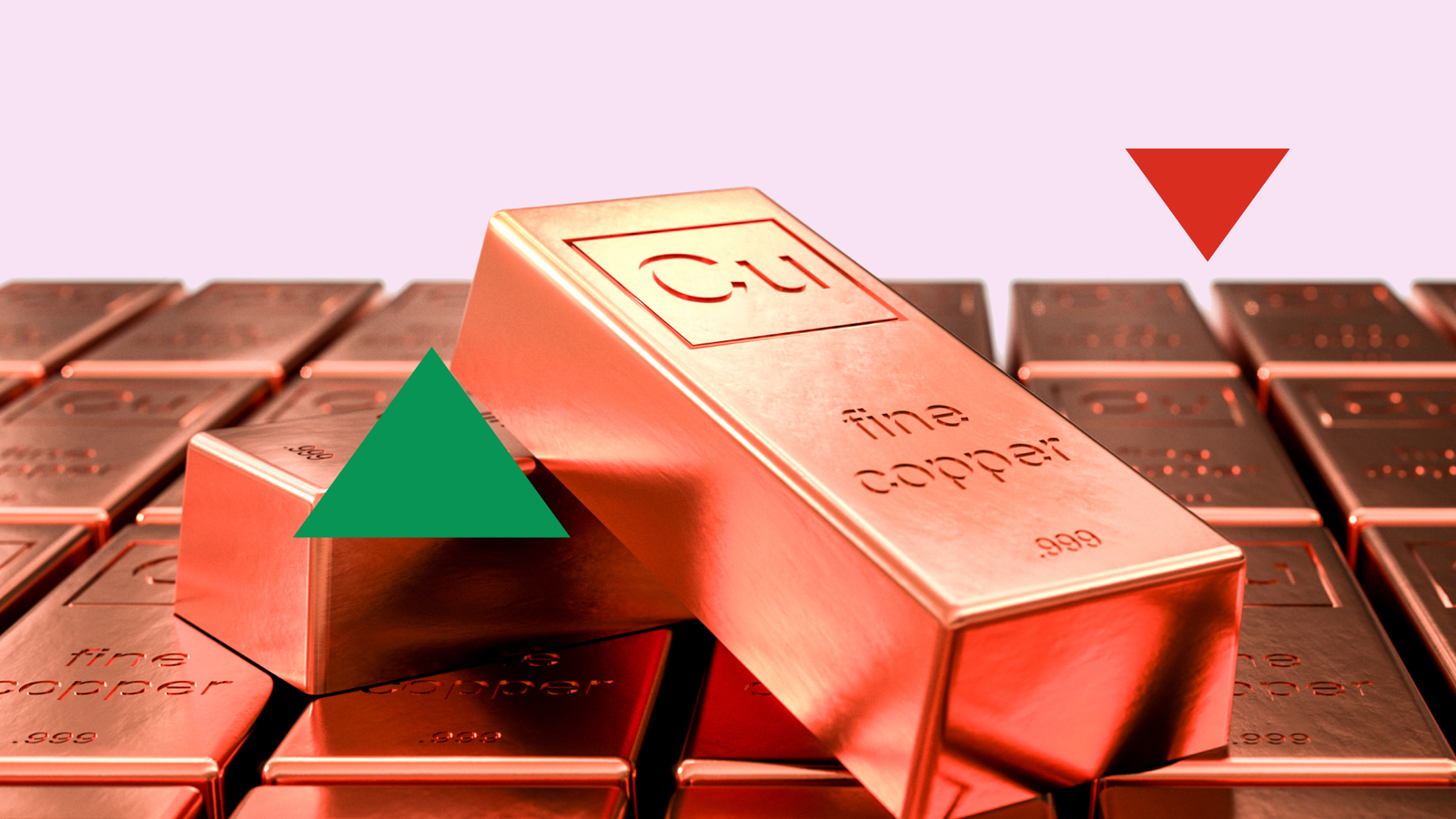
Few industrial metals are as closely tied to economic activity as copper. It is essential to electrical networks, construction, transportation, manufacturing, and emerging energy infrastructure. As global economies modernize their power systems and increase electrification, investing in copper has become an increasingly relevant topic for investors seeking exposure to long-term industrial trends.
Yet copper is not a simple growth story. Prices fluctuate, mining projects take years to develop, and changing economic conditions can influence demand. Investors who understand these dynamics can evaluate opportunities with greater confidence and avoid making decisions based solely on short-term market movements.
Why Copper Has Lasting Economic Importance
Copper is valued for several practical qualities. It conducts electricity efficiently, resists corrosion, and can be used across a wide variety of applications.
Traditional demand comes from construction, electrical wiring, industrial machinery, electronics, and transportation. These established uses provide a broad foundation for global consumption.
Meanwhile, new infrastructure requirements are strengthening copper’s strategic importance. Electricity networks must expand as more activities rely on electrical power. Renewable energy facilities need connections to those networks, while modern transportation systems require substantial electrical equipment.
These overlapping trends are a major reason why investing in copper continues to attract long-term interest.
Look Beyond Today’s Copper Price
Daily commodity prices naturally receive attention, but they tell only part of the story. Copper prices can rise or fall quickly as traders react to economic data, currency movements, inventories, geopolitical developments, and changing expectations.
Long-term investors may benefit from taking a broader perspective.
Understand Structural Demand
Structural demand refers to consumption driven by lasting economic or technological changes rather than temporary market conditions.
Grid expansion is one example. Growing electricity consumption can require new transmission and distribution infrastructure. Urban development and modernization can also increase the need for electrical systems, buildings, and transportation networks.
When evaluating investing in copper, separating these long-term developments from temporary price movements can provide a clearer picture of the market.
Supply Is an Equally Important Part of the Equation
Strong demand does not automatically create an attractive commodity environment. Investors must also consider how quickly producers can increase supply.
Copper mines cannot appear overnight. Discovering a deposit, defining its resource, completing technical studies, obtaining permits, securing financing, and building infrastructure can require many years.
Furthermore, not every discovered deposit becomes an operating mine.
Why New Copper Projects Face Challenges
Geology, location, infrastructure availability, capital requirements, environmental considerations, and regulatory processes all influence development.
A project may contain substantial copper but still require considerable work before production becomes possible. These development barriers can restrict the speed at which additional supply reaches the market.
Therefore, anyone investing in copper should examine both anticipated demand growth and the pipeline of potential new production.
Evaluate Mining Opportunities Individually
Investors seeking copper exposure through mining-related investments should avoid treating every opportunity as interchangeable.
A project’s resource size is important, but several other factors can influence its prospects.
Jurisdiction matters because permitting requirements, infrastructure, taxation, and regulatory stability vary between regions. Resource grade and mining methods may affect economics, while access to transportation and electricity can influence development requirements.
Management experience also deserves consideration. Moving a mining project forward involves technical planning, financing, regulatory processes, construction, and operational execution.
Financial Health Can Shape the Investment Case
Mining requires significant capital, particularly during development. For this reason, financial analysis should form an important part of investing in copper through mining-related opportunities.
Investors can review cash resources, debt, expected development expenditures, financing plans, and potential future capital needs.
Pay Attention to Funding Requirements
Projects that require additional funding may raise capital through different methods. New equity financing can help advance development, although it may also dilute existing shareholders.
Debt can reduce dilution but creates repayment obligations and financial costs.
Neither approach is automatically positive or negative. The key is understanding whether the financing strategy appears appropriate for the project’s development stage and expected requirements.
Consider the Risks Before Making Decisions
Copper’s long-term importance does not eliminate risk. Commodity markets are cyclical, and copper prices can decline during periods of weaker economic activity.
Mining investments introduce additional uncertainties. Development schedules may change, construction costs can rise, permits may take longer than expected, and operating performance can differ from forecasts.
Investing in copper therefore requires an appropriate balance between optimism about long-term demand and careful assessment of potential challenges.
Diversification can also help reduce dependence on the performance of one commodity-related opportunity.
Build a Long-Term Research Framework
Instead of attempting to predict every copper price movement, investors can create a repeatable research process.
Start with global demand trends. Next, examine supply growth, inventories, mine development timelines, and potential production disruptions. Then evaluate individual opportunities based on resource quality, financial strength, jurisdiction, development progress, and management execution.
Revisiting these factors regularly can help investors distinguish meaningful changes from temporary market noise.
Conclusion
Investing in copper provides exposure to a metal that remains fundamental to construction, electricity, transportation, manufacturing, and the continued modernization of global infrastructure. Electrification and expanding power networks could strengthen its importance over the coming years.
However, successful investing requires more than recognizing an attractive demand trend. Copper supply, economic cycles, project economics, financing requirements, and development risks all influence potential outcomes.
Investors who combine a long-term perspective with disciplined research can better understand both the opportunities and uncertainties associated with investing in copper.
