

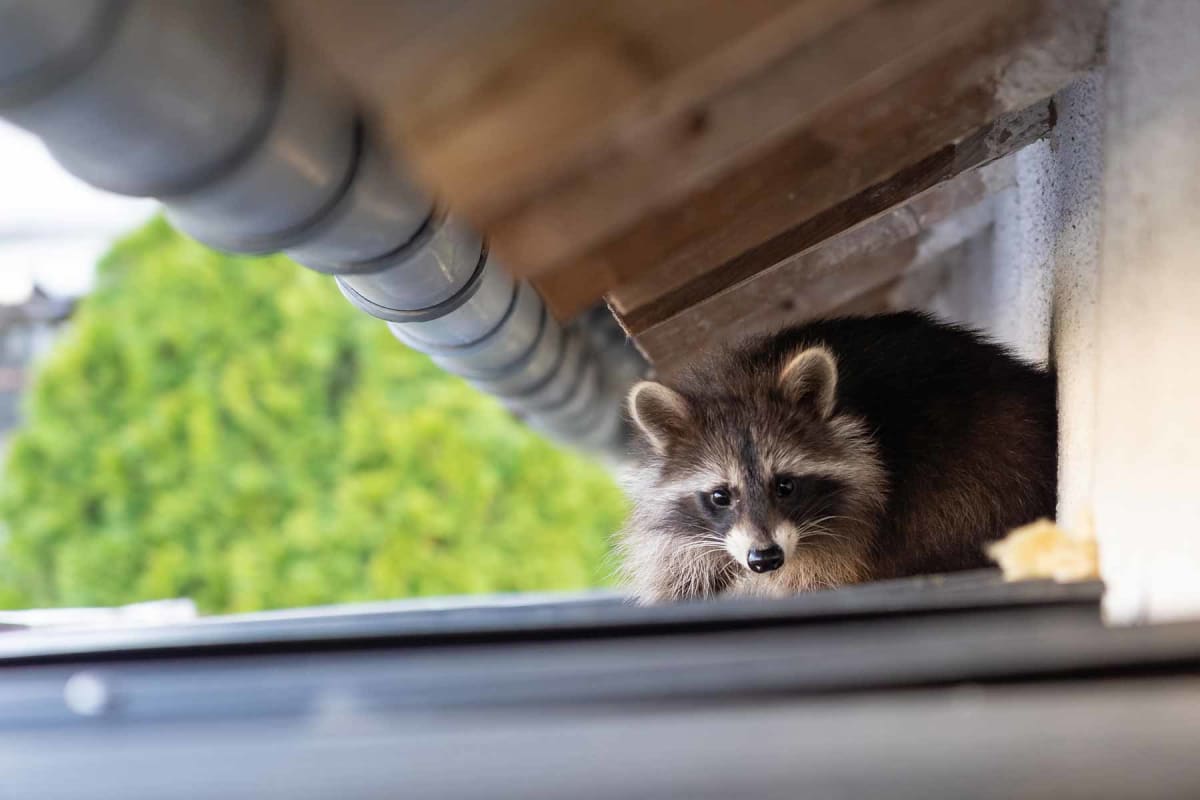
Hearing scratching or heavy movement in the attic at night can quickly become a concern. Raccoons are skilled climbers, naturally curious, and strong enough to take advantage of weak areas around a home. Once they find a protected location, they may continue using it as shelter unless the underlying access problem is addressed.
When homeowners search for raccoon removal services near me, they are usually looking for more than a temporary fix. A reliable approach should focus on identifying the animal, locating entry points, removing wildlife responsibly, protecting vulnerable areas, and reducing the chances of another raccoon returning.
Why Raccoons Are Attracted to Homes
Residential areas offer raccoons many of the resources they need. Food is often readily available, while houses, sheds, decks, and garages can provide convenient shelter.
Attics are especially attractive because they offer a protected environment away from weather and predators. Raccoons may gain access through damaged soffits, loose vents, openings near rooflines, or other weak structural areas.
Their climbing ability makes even elevated entry points accessible.
Outdoor Food Sources Can Increase Activity
A raccoon may first visit a property because it has discovered an easy meal.
Unsecured garbage containers are common attractants, but they are not the only ones. Compost, birdseed, pet food, fallen fruit, and leftover food outdoors may also encourage repeated visits.
Once a raccoon becomes familiar with a property, it may begin exploring the building for shelter.
Managing these food sources is therefore an important part of prevention.
Recognizing the Early Warning Signs
Identifying raccoon activity early can help homeowners respond before extensive damage develops.
One of the clearest warning signs is unusual nighttime noise. Because raccoons are primarily nocturnal, movement may become noticeable after sunset.
You might hear scratching, shuffling, thumping, or slow footsteps above a ceiling. These sounds can be more pronounced than those created by smaller animals.
Outside, look for bent vents, damaged soffits, disturbed roofing materials, tracks, droppings, or repeatedly overturned garbage.
What Should Removal Services Actually Address?
Effective wildlife management starts with a detailed assessment of the property.
Finding the animal is important, but locating its access route is equally necessary. Roof edges, vents, soffits, fascia, chimneys, garages, sheds, decks, and other possible entry locations may require inspection.
There may also be more than one vulnerable opening.
A complete assessment helps determine how the raccoon entered and what needs to change to prevent the situation from happening again.
The Possibility of Young Raccoons
Seasonal wildlife behaviour can make removal more complicated.
A female raccoon may establish a den in a protected part of a house and have dependent young inside. Homeowners may hear only the adult moving around and mistakenly assume there is a single animal.
If an entrance is permanently closed while young remain inside, the situation can become much more difficult.
For that reason, raccoon removal services near me should account for the possibility of a family rather than assuming that every problem involves one adult animal.
Why Immediate Sealing Is Not Always the Answer
When you discover a damaged vent or opening, sealing it immediately might seem sensible. However, the building should first be confirmed to be free of wildlife.
Closing the primary entrance while a raccoon remains inside could trap the animal.
A trapped raccoon may attempt to force its way through another part of the structure, potentially causing additional damage. If young are present, the adult may also try to regain access after being separated from them.
Proper timing matters when securing an entry point.
Removal and Exclusion Should Work Together
Removal deals with the current wildlife activity. Exclusion addresses what happens afterward.
Once raccoons are confirmed to be out of the structure, damaged entry points can be repaired and other vulnerable areas strengthened.
Durable materials are important because raccoons can manipulate or pull apart weak barriers.
Property owners considering nearby wildlife removal assistance should pay attention to whether prevention is included as part of the overall wildlife-management approach.
A solution that ignores structural vulnerabilities may leave the property exposed to another intrusion.
Practical Ways to Discourage Raccoons
Homeowners can make several changes to reduce the likelihood of repeat activity.
Secure Potential Food Sources
Keep garbage containers firmly closed and avoid placing easily accessible food waste outdoors. Compost should be properly managed, and pet food should not remain outside overnight.
Clean up fallen fruit and spilled birdseed regularly.
Maintain the Building Exterior
Inspect the roof and exterior periodically for signs of deterioration.
Loose soffits, damaged vents, deteriorated fascia, and gaps around structural connections should be repaired before wildlife takes advantage of them.
Nearby tree branches may also provide convenient access to the roof, so appropriate property maintenance can help reduce easy routes.
Inspect the Area After Removal
Once the raccoon is gone, the affected space still deserves attention.
Look for damaged insulation, disturbed materials, waste, or other evidence of prolonged activity. Depending on the extent of the problem, cleaning and repairs may be necessary to restore the area.
Continue monitoring the property afterward. New noises, tracks, droppings, or exterior damage may indicate renewed activity.
Regular observation can help catch another problem early.
Conclusion
Searching for raccoon removal services near me often happens after a homeowner discovers noises, damage, or other signs that wildlife has entered the property. The most effective response, however, goes beyond simply removing the animal.
A complete approach considers how the raccoon entered, whether young are present, which structural weaknesses require attention, and what outdoor attractants may be encouraging wildlife activity.
Combining responsible removal with exclusion, exterior maintenance, and better management of food sources creates a stronger long-term solution. By addressing both the current problem and its underlying causes, homeowners can reduce future raccoon activity and better protect their property.
