

Managing waste efficiently is an essential part of any construction project. Whether you’re completing a residential renovation, commercial fit-out, demolition, or large-scale building development, choosing the right waste management solution can improve site safety, reduce downtime, and help projects stay on schedule.
For many Melbourne builders and contractors, the decision often comes down to hiring a skip bin or using a professional rubbish removal service. While both options have advantages, the right choice depends on factors such as project size, available space, waste volume, and how quickly materials need to be removed.
Understanding Skip Bin Hire
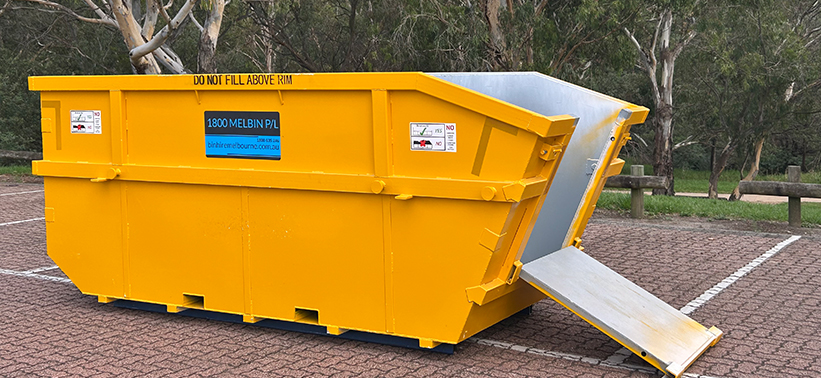
Skip bins provide an on-site container where construction waste can be collected throughout the project. Once the bin is full, it is collected and replaced if required.
Skip bins are commonly used for:
- Long-term renovation projects
- New home construction
- Demolition work
- Landscaping projects
- Ongoing building sites
They allow workers to dispose of waste as it is generated, helping keep the site organised.
When Skip Bins May Be Less Practical
Although skip bins work well on many projects, they are not ideal for every construction site.
Some common challenges include:
- Limited access on smaller urban sites
- Council permits when bins are placed on public roads
- Space restrictions on busy commercial projects
- Waiting until the bin is full before collection
- Potential delays if replacement bins are unavailable
For projects with limited space or rapidly changing waste volumes, alternative waste removal methods may offer greater flexibility.
How Rubbish Removal Services Work
Unlike skip bins, rubbish removal services typically involve a team collecting construction waste directly from the site and loading it into specialised vehicles for disposal or recycling.
This means builders do not need to store a large skip bin on-site throughout the project.
Many contractors now consider construction rubbish removal Melbourne as an alternative to skip bin hire because waste can often be removed on demand without occupying valuable working space.
Faster Site Clean-Up
Construction projects generate waste quickly, including timber offcuts, plasterboard, bricks, concrete, metal, packaging, insulation, and general building debris.
Regular rubbish collection helps prevent waste from accumulating and allows workers to move around the site more safely.
Prompt removal also reduces trip hazards and supports better workplace organisation.
Better For Smaller Construction Sites
Many Melbourne construction projects take place in established suburbs where access can be limited.
Townhouse developments, narrow driveways, inner-city renovations, and commercial fit-outs may not have enough room for a large skip bin.
A rubbish removal service allows waste to be collected without permanently occupying valuable site space.
Flexibility For Changing Projects
Construction waste volumes often vary throughout different stages of a project.
Early demolition may generate heavy debris, while later stages produce packaging, timber, plasterboard, and finishing materials.
On-demand rubbish removal provides flexibility because collections can be scheduled whenever required instead of waiting for bins to fill completely.
This approach can improve overall project efficiency.
Recycling Opportunities
Many professional construction waste services separate recyclable materials where practical, including:
- Metal
- Timber
- Concrete
- Cardboard
- Green waste
Recycling helps reduce landfill disposal while supporting more sustainable building practices.
Builders increasingly value waste management providers that assist with environmentally responsible disposal methods.
Labour Savings
Loading heavy construction waste into skip bins requires time and physical effort from site workers.
With rubbish removal services, collection teams often handle much of the loading process, allowing construction crews to remain focused on building activities rather than waste management.
Reducing non-productive tasks can improve overall site productivity.
Cost Considerations
The most economical option depends on the project.
Skip bins may suit long-duration projects with continuous waste generation, while rubbish removal services can be more cost-effective for:
- One-off clean-ups
- Renovation projects
- End-of-project waste removal
- Limited-access sites
- Short-term construction work
Comparing total project costs rather than individual service prices often provides a clearer picture of overall value.
Choosing The Right Waste Solution
When deciding between skip bin hire and rubbish removal, builders should consider:
- Site access
- Available working space
- Project duration
- Waste volume
- Collection frequency
- Labour requirements
- Recycling priorities
- Budget
There is no single solution that suits every project, and many contractors use both services at different stages of construction.
Helpful Related Construction Topics
Builders may also benefit from learning about construction site waste management planning and sustainable recycling practices for building materials, as these topics can help improve project efficiency, reduce environmental impact, and support better compliance with waste management requirements.
Final Thoughts
Both skip bins and rubbish removal services play valuable roles in construction waste management. Skip bins remain an effective option for ongoing projects with sufficient space, while rubbish removal services offer greater flexibility, faster clean-ups, and reduced site congestion for many Melbourne building projects.
By assessing site conditions, waste volumes, project timelines, and operational requirements before choosing a waste solution, builders can improve productivity, maintain safer worksites, and manage construction waste more efficiently throughout every stage of the project.
