

Walk into any market in Pakistan and you will find shelves lined with water bottles in every colour and shape. But the real decision comes down to two materials: stainless steel or plastic. Both have loyal fans, and both have real drawbacks. If you’re looking for an insulated water bottle, understanding the differences in materials, insulation, and durability will help you choose the right option based on performance rather than marketing.
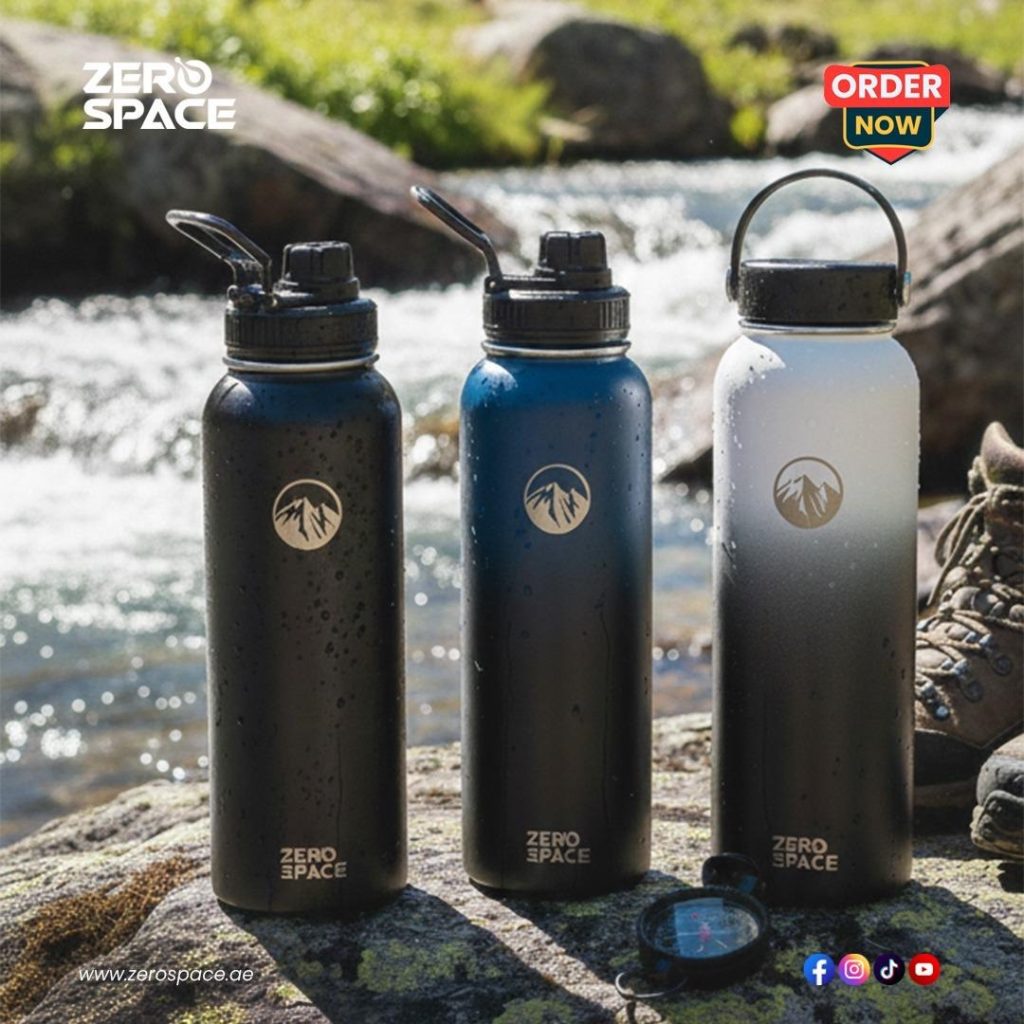
The Case for Stainless Steel
Stainless steel, specifically food-grade 18/8 (304 grade), has become the material of choice for serious hydration gear. Here is why:
- Durability — stainless steel does not crack, warp, or degrade with repeated use
- Temperature retention — double-wall vacuum insulation keeps drinks cold for up to 24 hours and hot for up to 12 hours
- No taste transfer — unlike some plastics, steel does not impart flavour to water
- BPA-free by nature — no chemical leaching, even in heat
- Eco-friendly — a single stainless bottle replaces hundreds of disposable ones
The downsides are real though: stainless bottles are heavier, pricier upfront, and can dent if dropped on hard surfaces.
The Case for Plastic
Plastic water bottles remain popular for good reasons:
- Lightweight — easier to carry in gym bags, school backpacks, and travel packs
- Affordable — cost far less than insulated steel options
- Transparent — you can see how much water is left without opening
- Flexible designs — available in squeezable formats for cycling and running
The concern with plastic is real in Pakistan’s heat. BPA-containing plastics can leach chemicals when left in a hot car or under direct sunlight. Always look for BPA-free labelling on any plastic bottle you buy.
Head-to-Head Comparison
- Temperature control: Steel wins clearly — plastic offers none
- Weight: Plastic wins — steel is heavier
- Safety: BPA-free plastic is safe; steel is safer across all conditions
- Durability: Steel wins long-term — plastic scratches and cracks over time
- Cost: Plastic wins short-term; steel wins on lifetime value
- Eco impact: Steel wins — one bottle, years of use
Which Should You Buy?
For most adults in Pakistan — especially those commuting, working in offices, or spending time outdoors — stainless steel is the better long-term choice. The upfront cost pays off quickly when you factor in durability and performance in summer heat.
For children, school use, or travel situations where weight is critical, a quality BPA-free plastic bottle works fine.
Where to Buy in Pakistan
If you are looking for trusted options online, ZeroSpace’s insulated water bottle collection stocks both types with clear material specifications so you know exactly what you are buying. Their range of stainless steel water bottles in particular is worth checking if insulation and durability are your priority.
The bottom line: do not let price alone drive the decision. Think about how and where you will use the bottle daily, and choose the material that fits that reality.
Author is a lifestyle writer based in Pakistan
Long-Term Cost Comparison: Steel vs Plastic
Most people buy plastic because it costs less upfront. But that calculation changes when you factor in replacement frequency. A cheap plastic bottle in Pakistan typically needs replacing every 6 to 12 months due to cracks, smell absorption, or degraded plastic around the lid.
A quality stainless steel bottle, maintained properly, lasts 5 to 10 years with no performance drop. When you divide the cost over those years, steel works out cheaper in almost every case — and you are generating a fraction of the plastic waste.
- Average BPA-free plastic bottle lifespan: 6–12 months before odour or structural issues
- Average stainless steel bottle lifespan: 5–10 years with proper care
- Single-use plastic bottles: 1 use — the most wasteful and most expensive per use
Special Considerations for Pakistani Households
Pakistani households use their water bottles differently than other markets. A few local factors that affect the steel vs plastic decision:
- Chai and hot liquids — Pakistani households often put hot chai in bottles. Stainless steel handles this safely; plastic degrades with heat exposure
- Extended commutes — Karachi’s traffic means bottles sit in hot cars for hours. Steel with vacuum insulation protects water quality; plastic in a hot car is a concern
- Electrolyte powders and lemon — common additions to Pakistani drinking water. Both are acidic and can interact with low-quality plastics over time; stainless steel is unaffected
- School use for children — kids need lightweight options but also need safety. BPA-free plastic is acceptable for school use; stainless is better for older children who drink hot beverages
Understanding how your family will actually use the bottle on a daily basis will lead you to the right choice faster than any comparison chart.
About ZeroSpace
ZeroSpace is a Pakistani drinkware brand focused on insulated water bottles, coffee mugs, tumblers, and lunch bags built for everyday reliability. Product design centers on food-grade, BPA-free materials suited to the country’s varied climate and daily routines.
