

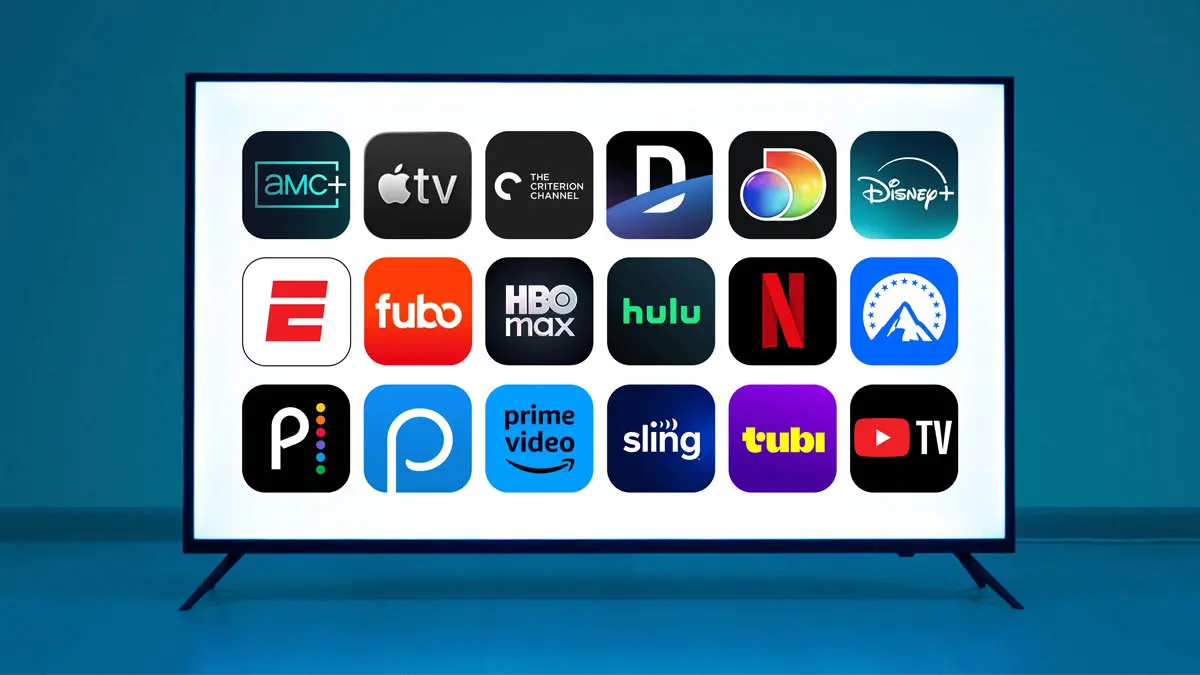
The entertainment landscape has transformed dramatically over the past decade, with streaming services emerging as the dominant force in how audiences consume movies, television shows, and live programming. No longer confined to traditional cable packages or theatrical releases, viewers now enjoy unparalleled flexibility, curating their own experiences across devices and preferences. This evolution brings both abundance and complexity, as the sheer number of platforms can overwhelm even the most discerning consumer. Evaluating the leading options requires weighing content depth, streaming quality, pricing structures, and unique features that cater to diverse viewing habits, from binge-worthy dramas to real-time sports and news broadcasts.
Defining Your Streaming Priorities
Before diving into specific platforms, it pays to clarify what matters most in your setup. Some households crave endless on-demand libraries for weekend marathons, while others need reliable live access to sports or local news. Budget, device compatibility, and tolerance for advertisements also shape decisions. Families might prioritize kid-friendly catalogs and parental tools, whereas cinephiles seek high-resolution masters and thoughtful curation. Recognizing these needs early prevents overspending on overlapping subscriptions and helps build a balanced rotation of services.
Netflix as the All-Around Contender
Netflix remains a cornerstone for many, thanks to its massive, ever-evolving library that spans blockbuster films, international cinema, and original series. Its algorithm-driven recommendations often surface hidden gems tailored to individual tastes, making discovery feel personal rather than overwhelming. Original productions frequently push boundaries in storytelling, from intricate limited series to genre-defying features. Recent price tiers, including ad-supported plans, have broadened accessibility without sacrificing core 4K and Dolby Atmos support on higher plans. Still, the platform’s shift away from certain licensed titles means it works best as a primary hub supplemented by others for niche gaps.
Disney+ for Franchise Depth and Family Appeal
Disney+ excels when your interests align with established universes. The service aggregates content from Marvel, Star Wars, Pixar, and National Geographic into one immersive destination. This interconnected approach rewards fans who enjoy exploring lore across movies and companion shows. Visual quality stands out, particularly for animated and effects-heavy titles that shine on larger screens. For live TV elements, the platform offers select sports and events through bundles, though its main strength lies in on-demand replay value. It may not satisfy viewers hunting edgier adult dramas, yet its consistent family-safe environment and frequent new releases make it indispensable for many households.
Hulu’s Hybrid On-Demand and Live Model
Hulu bridges the gap between archived favorites and current broadcasts more effectively than most. Its live TV add-on delivers local channels, news, and sports without long-term contracts, appealing to cord-cutters seeking familiarity. Movie selections mix recent releases with independent and cult classics, while television highlights include next-day network episodes and strong originals that tackle contemporary issues. The ad-supported tier keeps costs manageable, though upgrading to ad-free enhances immersion during longer viewing sessions. Bundling options with Disney+ and ESPN+ create compelling value for those wanting broad coverage across genres and live events.
Max for Prestige Content and Cinematic Quality
Max distinguishes itself through a focus on elevated storytelling drawn from HBO’s legacy. Award-winning series and documentaries sit alongside major studio films, creating a lineup that often feels more curated than exhaustive. This emphasis on quality resonates with viewers who prefer fewer but stronger choices over endless scrolling. Live sports and events appear selectively, bolstered by partnerships, while the ad-free experience preserves narrative flow. Higher pricing reflects the premium positioning, yet frequent promotions and occasional bundling soften the impact. For those who value thoughtful character studies and cultural touchstones, Max frequently delivers the deepest satisfaction.
Specialized Options and Live TV Alternatives
Services like Paramount+ shine for fans of legacy network libraries and major sports, offering a mix of nostalgic shows, theatrical blockbusters, and real-time coverage. Peacock brings NBCUniversal’s current hits and live events at competitive price points, including a free tier for sampling. Apple TV+ takes a minimalist route, betting on high-caliber originals with top talent rather than volume. Meanwhile, dedicated live TV streamers such as YouTube TV and Sling TV replicate cable packages with modern conveniences like unlimited DVR and flexible channel lineups. These prove especially useful for households that still want appointment viewing without hardware commitments.
Navigating Pricing, Features, and Trade-Offs
Cost remains a moving target as platforms experiment with tiers and bundles. Many now offer ad-supported entry points alongside premium ad-free experiences, forcing viewers to weigh interruptions against savings. Technical features vary too: support for multiple profiles, offline downloads, and multi-device streaming can make or break daily usability. Regional availability and content rotation add another layer, particularly for international programming or sports blackouts. The optimal strategy often involves mixing two or three core services rather than chasing every new release, minimizing overlap while covering movies, prestige shows, and live needs.
What This Means for Active Viewers
In practice, building an effective streaming lineup resembles assembling a personal media ecosystem. Start with your highest-priority content type, whether that’s family movies, live sports, or sophisticated dramas, then layer complementary services. Regular audits of viewing habits help trim underused subscriptions before renewal. As industry consolidation continues and features like AI personalization evolve, staying adaptable ensures the setup grows with changing preferences. The result is greater control and enjoyment, transforming passive consumption into a tailored experience that fits real life rather than dictating it.
