

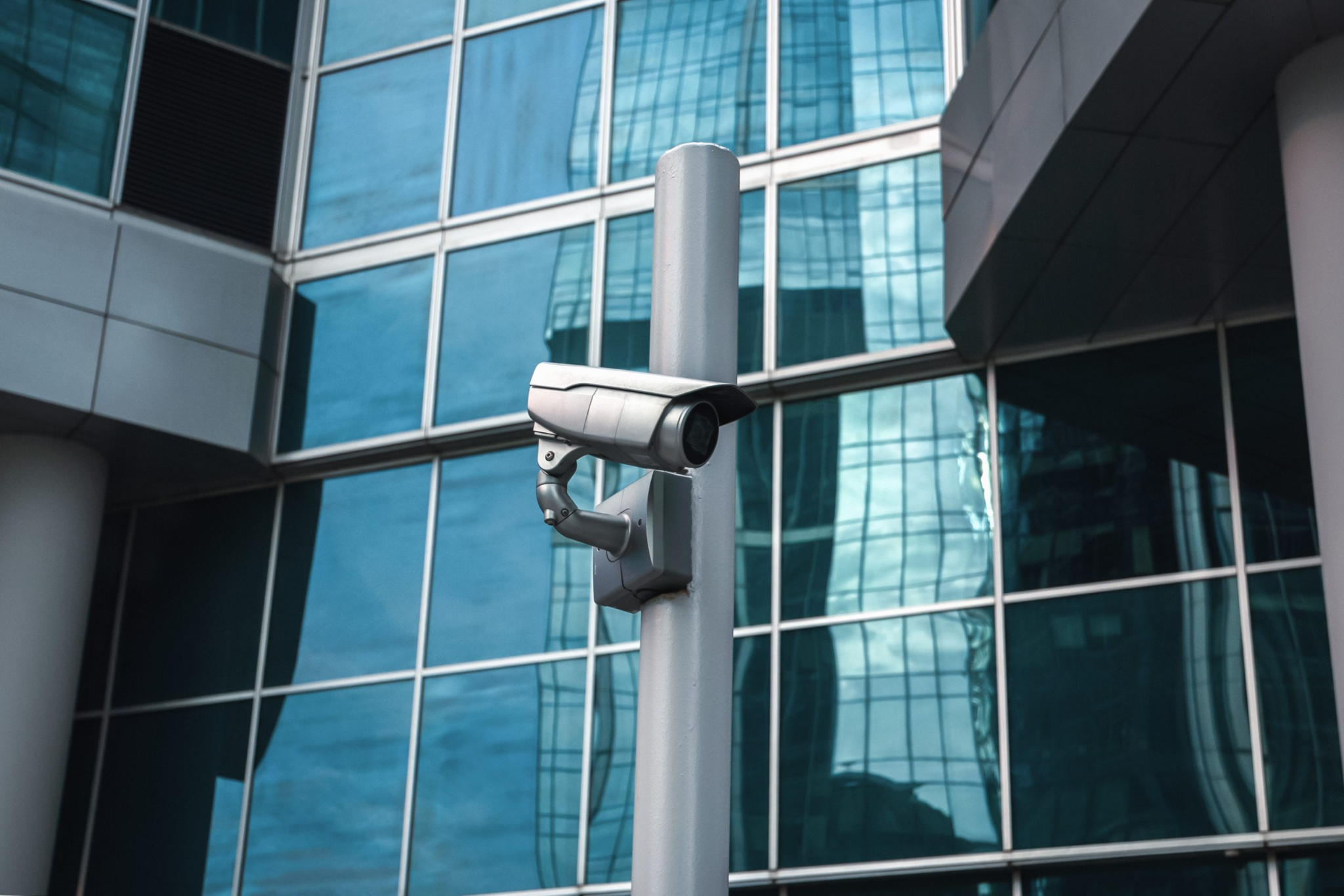
Security cameras used to be seen as an expense reserved for large retailers or banks. These days, businesses of almost every size are recognising surveillance as a practical, worthwhile investment rather than an optional extra.
The cost of good camera systems has fallen considerably over the past decade, while the range of practical benefits they offer has only continued to grow, making the decision far easier than it once was.
For a growing share of small operators, cameras have become as ordinary a piece of setup cost as a point-of-sale system or a shopfront sign, rather than something considered only after a break-in already happened.
Deterring theft before it happens
Visible cameras alone discourage a significant share of opportunistic theft, both from outside intruders and, uncomfortably, from staff, simply because the risk of being caught on camera changes the calculation for anyone considering it.
Signage indicating a site is under surveillance often does much of this deterrent work on its own, well before any footage is ever actually reviewed by a manager or handed to police.
Cameras positioned near tills, stockrooms, and entry points tend to deliver the strongest deterrent effect, since these are exactly the areas where opportunistic theft is most likely to be attempted in the first place.
Supporting insurance claims with clear evidence
Insurers increasingly favour businesses with a properly installed surveillance system, and having clear footage available speeds up claims considerably after an incident. Many businesses now work with a specialist CCTV installer Perth precisely to make sure coverage meets policy requirements.
Without footage, a claim often comes down to conflicting verbal accounts, which insurers are naturally cautious about accepting at face value, especially for larger claims involving significant loss or damage.
Some insurers will even request a walkthrough of the installed system before finalising a policy, checking that camera placement and footage quality genuinely meet the standard their underwriting team expects for the discount on offer.
Resolving disputes between staff and customers

Workplace disagreements and customer disputes are far easier to resolve fairly when there is objective footage available, rather than relying entirely on each party’s version of events after the fact.
This applies just as strongly to protecting staff from unfair accusations as it does to identifying genuine wrongdoing, giving both employees and management a fairer, evidence-based way to work through disputes.
Improving day-to-day operational oversight
Beyond security, cameras give owners and managers a practical way to check on stock handling, customer service standards, and workflow efficiency without needing to be physically present on site at all times.
Reviewing footage occasionally can highlight simple process improvements, such as a bottleneck at a particular counter or till, that might otherwise go unnoticed during the daily rush of running a business.
Reducing premiums and other ongoing costs
Many insurers offer reduced premiums to businesses with monitored camera systems in place, reflecting the lower overall risk profile that comes with better deterrence and stronger evidence in the event of a claim.
Over several years, those premium reductions can offset a meaningful portion of the original installation cost, making the investment considerably more attractive once the full picture is taken into account.
Remote monitoring for multi-site operations
Modern systems allow an owner running several locations to check live footage from a single phone or laptop, without needing to physically visit each site to get a genuine sense of what is happening there.
That kind of remote visibility is especially valuable for businesses expanding into a second or third location, where hands-on oversight naturally becomes harder to maintain across every site at once.
A good installer will also flag lighting conditions and camera angles that could affect footage quality at night, since a camera that looks fine on a bright afternoon can produce next to nothing useful after dark.
Choosing the right coverage for your site
Not every business needs the same level of coverage, and a proper site assessment identifies genuine blind spots, entry points, and high-value areas rather than simply scattering cameras around without a clear plan.
Overinvesting in areas that carry little real risk, while leaving a genuine vulnerability uncovered, is a common mistake made by businesses that skip this planning stage and just buy whatever package looks cheapest.
Getting visibility right matters just as much online as it does on the shop floor, which is why many of the same businesses also look at how to submit website links as part of building a wider presence.
Businesses that skip this step often only discover the gap in their coverage after an incident occurs, when it becomes clear too late that footage nobody thought to check was never actually being recorded at all.
Understanding footage retention and privacy obligations
Businesses recording footage of staff and customers need to understand their obligations around storage length, access, and privacy, since mishandling recorded footage can create its own legal and reputational risk.
A properly configured system with sensible retention settings and restricted access protects the business itself, not just the people appearing on camera, from later disputes about how footage was stored or used.
A short policy explaining who can access footage, how long it is kept, and under what circumstances it might be shared with police or an insurer also helps staff understand their own privacy is being handled responsibly.
Weighing the investment against realistic risk
For most businesses handling stock, cash, or regular customer interaction, the cost of a well-planned camera system is modest compared to the potential losses, disputes, and liability it helps guard against over time.
Treating surveillance as core infrastructure, rather than an optional add-on considered only after a problem has already occurred, tends to be the more cost-effective approach in the long run. Businesses that make this call early, before anything actually goes wrong, are consistently the ones who end up glad they did once an incident eventually tests the system.
