

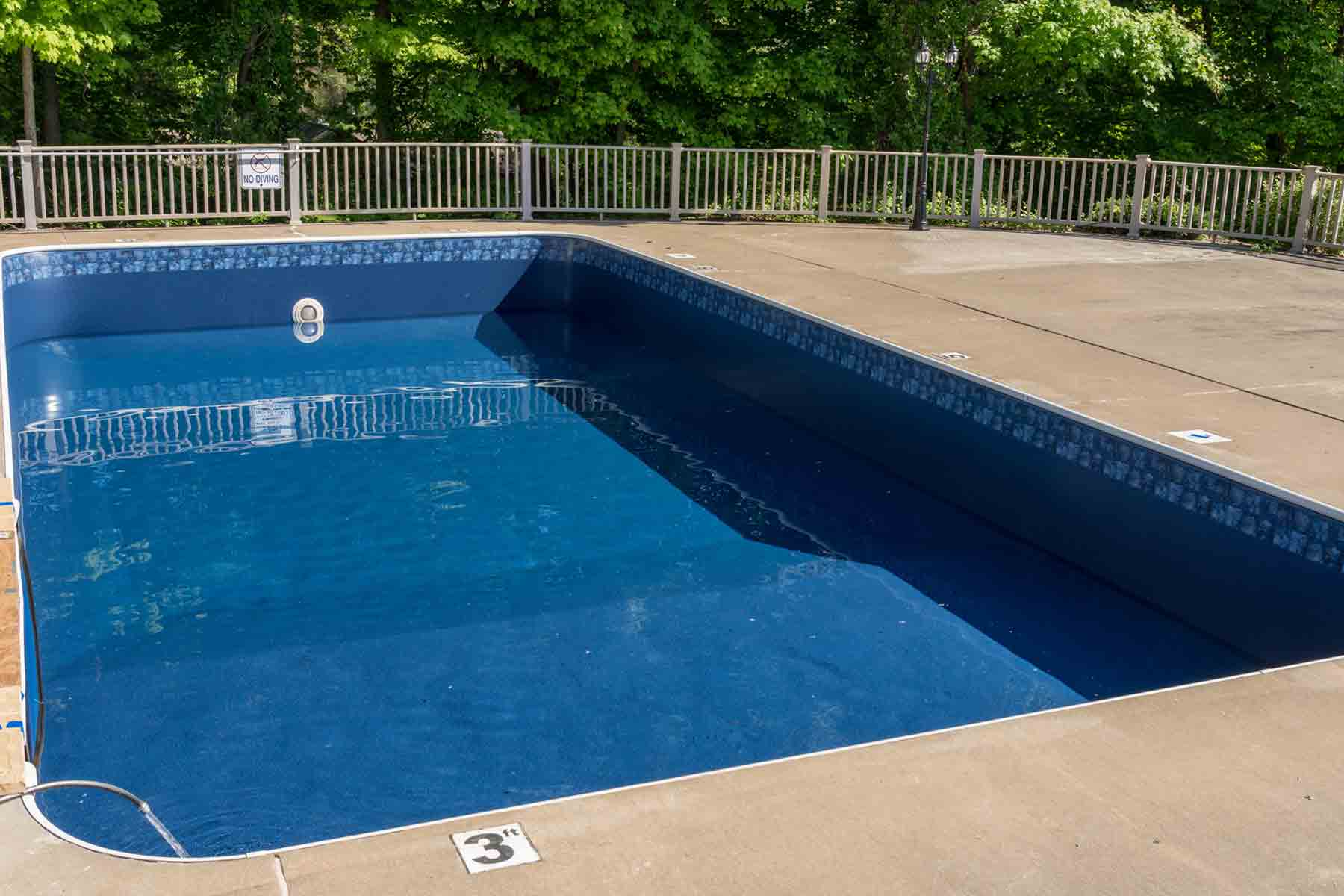
A swimming pool liner does more than give a pool a clean, attractive appearance. It creates a protective barrier that helps keep water inside the pool while shielding the underlying structure. Over time, however, exposure to sunlight, pool chemicals, changing temperatures, and everyday use can cause a liner to fade, stretch, crack, or leak.
When those warning signs appear, one of the first things homeowners want to understand is the swimming pool liner replacement cost. There is no single figure that applies to every pool. Several factors influence the scope of the project, from pool dimensions and liner condition to preparation requirements and installation complexity.
Understanding these factors makes it easier to plan ahead and make informed decisions.
What Determines Swimming Pool Liner Replacement Cost?
Every swimming pool is different, so liner replacement requirements can vary considerably. Looking beyond the liner itself is important because preparation and installation conditions often affect the overall project.
Pool Size and Shape
Pool dimensions are among the biggest considerations. A larger swimming pool requires more liner material and usually takes longer to prepare and install.
Shape matters as well. Standard rectangular pools are generally more straightforward to measure than pools featuring curves, unusual corners, multiple depths, built-in steps, or other custom elements.
Accurate measurements are essential. Even relatively small measurement errors can affect how well the new liner fits once the pool is refilled.
Liner Thickness and Material
Not every pool liner has identical specifications. Liners can differ in thickness, construction, durability, texture, and finish.
A liner should be selected based on more than appearance. Pool design, usage patterns, environmental conditions, and installation requirements all deserve consideration. Choosing an appropriate liner can help provide a secure fit and reliable performance over time.
Condition of the Existing Pool
Removing an old liner sometimes reveals problems that were previously hidden.
The pool floor or walls may require attention before a replacement liner can be installed. Uneven areas, deterioration, moisture-related issues, damaged fittings, or other structural concerns may increase the amount of preparation required.
Addressing these issues before installation helps create a smoother surface for the new liner and reduces the likelihood of avoidable problems later.
Signs That Your Pool Liner May Need Replacement
A liner does not always fail suddenly. In many cases, deterioration develops gradually.
Homeowners should watch for:
- Persistent water loss
- Visible tears or cracks
- Significant fading
- Wrinkles that continue to worsen
- Brittle or stretched material
- Damage around fittings, corners, or steps
Some minor issues may be repairable. However, widespread deterioration can indicate that replacement is the more practical long-term solution.
Why Professional Assessment Matters
It can be difficult to determine the full condition of a liner from appearance alone. A knowledgeable local pool specialist can evaluate the liner, inspect visible problem areas, take accurate measurements, and identify preparation needs before work begins.
This assessment can also help distinguish between an isolated liner issue and a problem involving another part of the pool.
How to Prepare for a Liner Replacement
Good planning can make the replacement process more efficient.
Inspect the Pool Early
Do not wait until a small tear or leak becomes a major problem. Periodically checking the liner makes it easier to identify deterioration before it causes additional complications.
Consider the Entire Pool Area
Liner replacement can be a convenient opportunity to inspect steps, fittings, returns, drains, and other accessible components. Identifying concerns during preparation may prevent the need to revisit the same areas shortly afterward.
Focus on Installation Quality
A properly fitted liner should sit smoothly against the pool surfaces. Accurate measurements, careful preparation, and correct installation procedures all contribute to the final result.
Can Proper Maintenance Extend Liner Life?
Routine maintenance plays an important role in protecting a swimming pool liner.
Balanced water chemistry can reduce unnecessary stress on the material. Homeowners should also avoid using sharp objects around the pool and address unusual water loss promptly.
Consistent cleaning is equally important. Allowing debris and contaminants to remain in the pool can affect both water quality and liner condition.
Conclusion
Understanding swimming pool liner replacement cost begins with recognizing that every project has different requirements. Pool size, shape, liner specifications, existing surface conditions, preparation work, and installation complexity can all influence what is involved.
Instead of focusing on a single number, homeowners should consider the overall condition of their pool and the quality of the replacement process. Regular inspections and timely action can help prevent minor liner problems from developing into more extensive concerns.
With proper preparation, accurate measurements, suitable materials, and careful installation, a replacement liner can restore the pool’s appearance while providing the watertight protection needed for many more enjoyable swimming seasons.
