

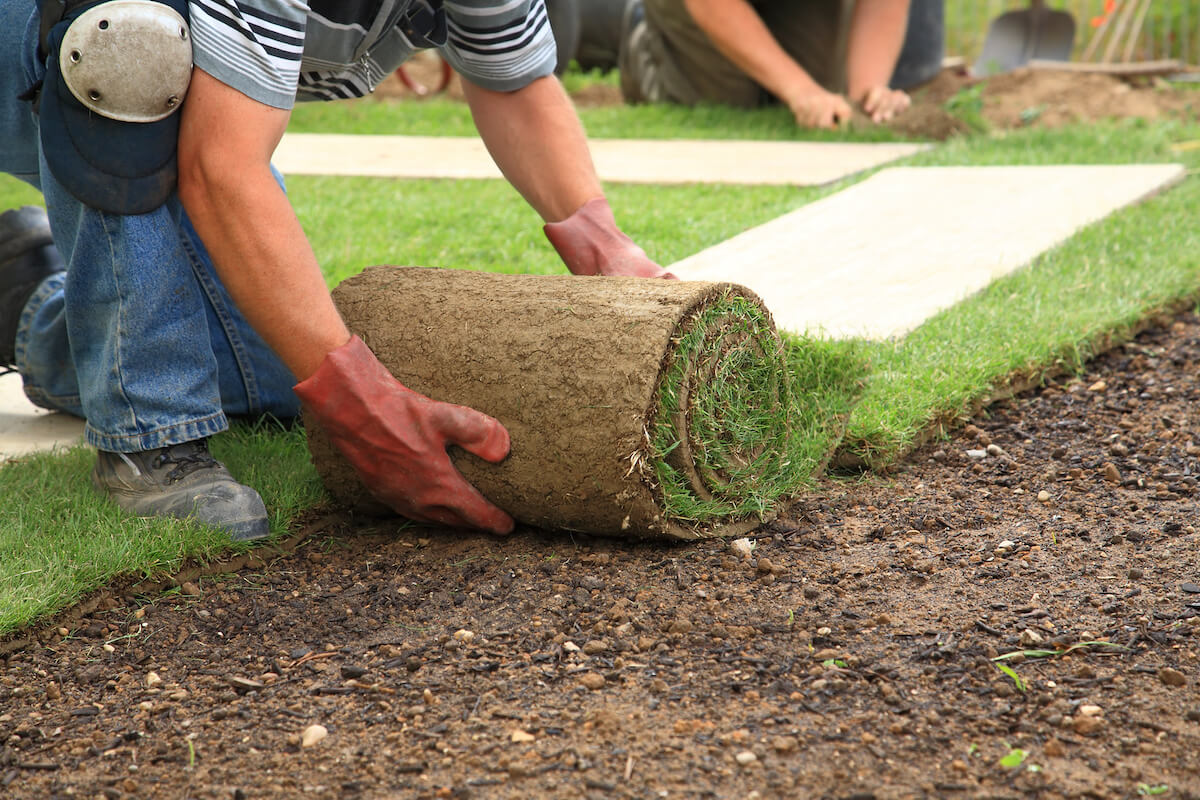
New turf can only ever be as good as the soil it is laid on. Skipping proper preparation is one of the most common reasons a brand new lawn struggles within the first few months, regardless of how healthy the turf looked on delivery day.
Clearing the site of existing growth and debris
Old grass, weeds, roots, and any leftover building material need to be fully removed before soil work begins, since anything left behind tends to decompose unevenly underneath the new turf and create soft or sunken patches later.
A thorough clear-out at this stage saves considerable frustration later, when a hidden root or buried offcut of timber can otherwise cause a visible dip in the lawn months after everything looked perfectly level on install day.
It is also worth checking for any underground services, irrigation lines, or old drainage pipes before digging begins, since striking one partway through clearing the site can turn a simple job into an expensive delay.
Testing and understanding your existing soil
A simple soil test reveals pH, drainage characteristics, and nutrient levels, all of which influence how well new turf will establish and which amendments are actually worth adding before the rolls go down.
Guessing at soil condition rather than testing it often leads to either wasted money on unnecessary additives or, worse, missing a genuine problem like poor drainage that will keep causing issues long after the turf is laid.
Test results are usually available within a week or two, giving plenty of time to source the right soil amendments before the turf order is placed and the delivery clock starts running.
Grading the site for proper drainage
A gentle slope away from the house and any other structures prevents water pooling against foundations, and getting this grading right before turf goes down is far easier than trying to fix drainage issues afterward.
Homeowners without the right equipment for this stage often bring in professional turf suppliers who can handle grading, soil delivery, and installation together as a single coordinated job rather than several separate trades.
Getting the grade wrong is one of the costlier mistakes to fix retroactively, since it usually means lifting and relaying at least part of the new lawn once the drainage problem becomes obvious after the first heavy rain.
A fall of roughly one to two per cent across the lawn is usually enough to move water away effectively without the slope becoming noticeable underfoot or awkward to mow once the grass is established.
Loosening and aerating compacted soil

Soil compacted by years of foot traffic, vehicle access, or heavy machinery during construction needs to be broken up before new turf can establish a healthy root system through it.
A tiller or aerator run across the site opens up channels for roots, water, and air to move through the soil properly, giving new turf a genuine chance to root deeply rather than sitting shallow on hardened ground.
Adding organic matter and the right topsoil
Blending in quality compost or aged organic matter improves both nutrient content and structure, helping sandy soils retain more moisture and heavy clay soils drain more freely than they otherwise would.
A topsoil layer of at least seventy five millimetres gives new turf enough depth to establish a solid root system, and skimping on this depth is a common shortcut that shows up as a patchy lawn within months.
Levelling the surface before turf arrives
A final rake to break up any remaining clumps and even out the surface makes an enormous difference to how flush the finished lawn looks, since turf tends to follow the contours of whatever lies underneath it fairly closely.
Walking the site with a plank or level check helps catch any remaining low or high spots before turf arrives, when they are still simple to correct with a rake rather than after the rolls are already down.
Timing soil preparation around turf delivery
Turf should ideally go down within a day of delivery, so soil preparation needs to be fully finished before the order is placed, not treated as something to squeeze in around a supplier’s delivery schedule.
Getting that sequencing right mirrors good planning in plenty of other fields too, including how software businesses approach SaaS product marketing, where the groundwork done before a launch often matters just as much as the launch itself.
Watering the soil bed before laying turf
A light watering of the prepared soil bed just before turf arrives helps it settle and gives the new rolls something slightly moist to root into immediately, rather than sitting on completely dry ground for the first few hours.
Overdoing this step by soaking the soil into mud, however, can make the surface unstable underfoot during installation, so a light, even dampening is generally the better target rather than a heavy soak.
Avoiding the most common preparation shortcuts
Laying new turf directly over old, dead grass without removing it, skipping a soil test entirely, or ignoring an obvious drainage problem are the three shortcuts most likely to cause visible trouble within the first season.
Each of these shortcuts might save an afternoon of work upfront, but they tend to cost considerably more in remedial work later, once the underlying issue eventually surfaces through the new lawn.
Keeping a simple record of what was tested, amended, and graded at each stage also makes it far easier to diagnose any issue that does crop up later, rather than guessing retroactively what might have gone wrong.
Setting realistic expectations for the first few weeks
Even with excellent soil preparation, new turf needs consistent watering and limited foot traffic while it establishes, and treating those first few weeks as part of the installation, not an optional extra, protects the investment already made in the soil work.
A well-prepared bed gives new turf the best possible start, and that groundwork, done properly once, tends to pay off in a noticeably healthier, longer-lasting lawn for years afterward.
