

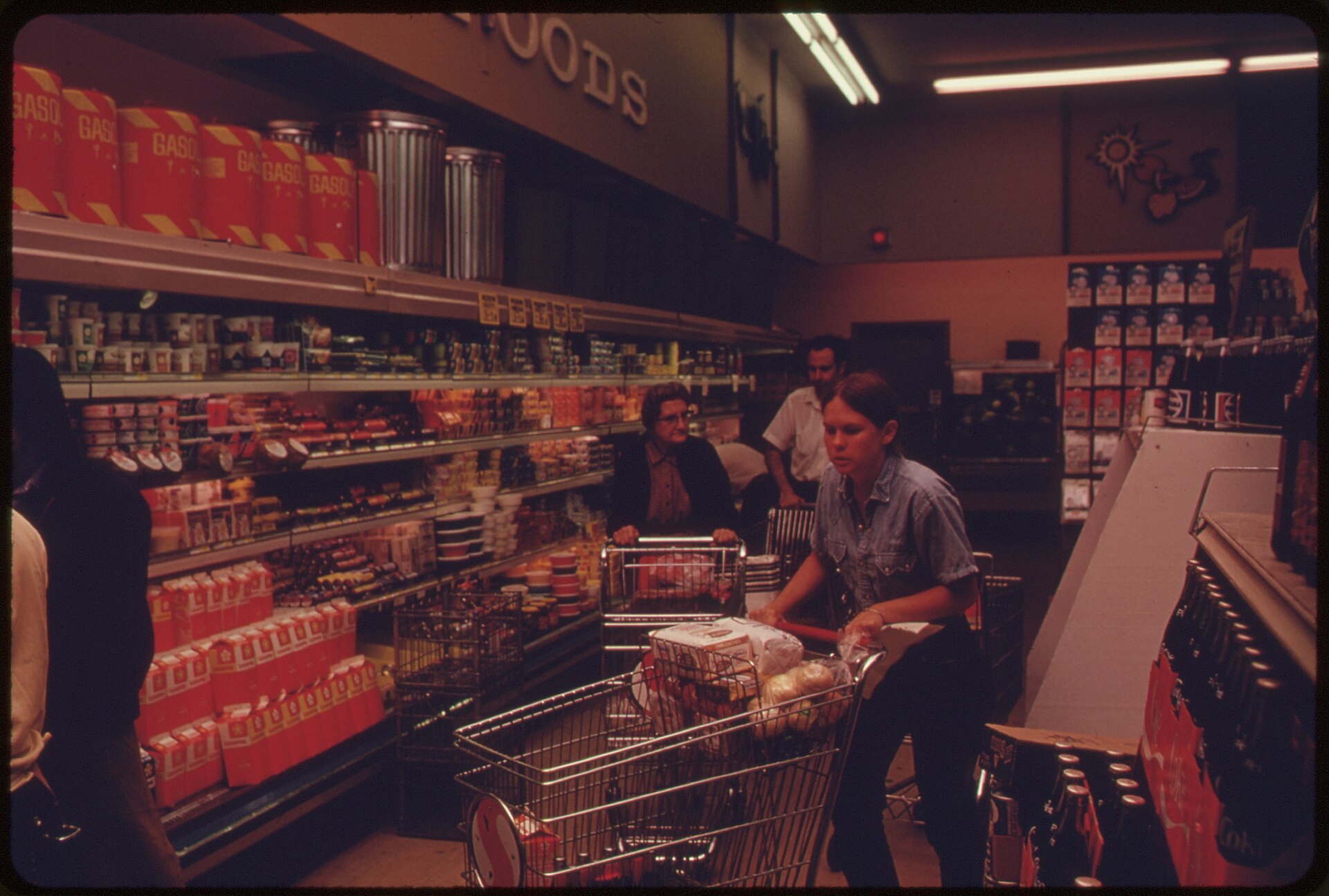
Few nutrition topics generate more heat per calorie than ultra-processed foods. Depending on the headline, they are either industrial poison or a moral panic about other people’s shopping. The science, accumulated over a decade of cohort studies and a handful of controlled trials, supports something less dramatic and more useful: diets dominated by ultra-processed products are consistently associated with worse health outcomes, and the reasons appear to be partly the foods themselves — their speed, softness and engineering — not only the nutrients they lack.
The classification most research uses, called NOVA, sorts foods by degree of industrial processing rather than by nutrients: group four includes soft drinks, packaged snacks, reconstituted meats, instant noodles and much sliced bread. In large population studies tracked by institutions such as the World Health Organization‘s nutrition programme, higher shares of calories from this group correlate with obesity, type 2 diabetes, cardiovascular disease and earlier death. The landmark controlled trial — volunteers fed ultra-processed diets ate roughly 500 calories more per day and gained weight in two weeks, then lost it on unprocessed menus — remains the field’s anchor because it shows causation, not merely association.
The Category Is Blunter Than the Truth
Critics have a point that deserves keeping: “ultra-processed” lumps fortified wholegrain bread with energy drinks, plant-based meat alternatives with candy. Dietitians increasingly argue for a two-question test instead of a purity rule: does this food displace something more nutritious, and how easily does it invite overeating? Soft, energy-dense, hyper-palatable products fail both; a packaged yoghurt or baked beans passes more easily. Guidance from public bodies including the NHS lands in the same place: cook more from raw ingredients when you can, read labels for salt, sugar and fat, and treat the processing debate as a compass, not a courtroom. More consumer health coverage is in our health section.
The Shopping-Basket Version
Industry’s Response, and the Reformulation Race
The food industry’s answer to the UPF era has split in two. Publicly, major manufacturers contest the classification, arguing it lumps their fortified cereals with confectionery and ignores nutritional quality; privately, reformulation budgets have swollen — fibre added, processing softened, “kitchen cupboard ingredient” labels pursued as marketing gold. That split is itself information: companies do not reformulate against a classification they believe is toothless. Retailers are moving too, with own-brand ranges redesigned to escape the worst categories and front-of-pack schemes that nudge baskets without a single ban. The consumer caught in the crossfire deserves the honest summary: the science justifies suspicion of the hyper-engineered end of the food supply, it does not justify fear of food itself, and the most robust finding in all of nutrition remains embarrassingly old — mostly plants, mostly recognisable, mostly cooked at home when life allows.
The research agenda for the next five years is unusually concrete. Investigators want the sub-categories separated — the evidence against soft drinks and processed meats is strong and specific, while the case against, say, wholegrain packaged bread is thin — and they want feeding trials long enough and mechanistic enough to name the pathways: eating rate, energy density, additive interactions with the gut microbiome. Cohort studies with better dietary measurement, using purchase records and biomarkers rather than memory, are already running. The likely destination is a smarter taxonomy that regulates the worst engineering and leaves the rest of the food supply alone. The science’s first draft was a warning. Its second is becoming a specification.
For an ordinary household the evidence translates into boring, effective moves: build most meals around group-one ingredients; let ultra-processed items be the garnish rather than the architecture; be suspicious of foods engineered to be eaten fast and endlessly. Perfection is neither possible nor necessary — the studies show gradients, not cliffs. The consumer takeaway from a decade of research is reassuringly un-dramatic: the less your diet depends on products designed in a flavour lab, the better the odds, and every swap in that direction counts.
