

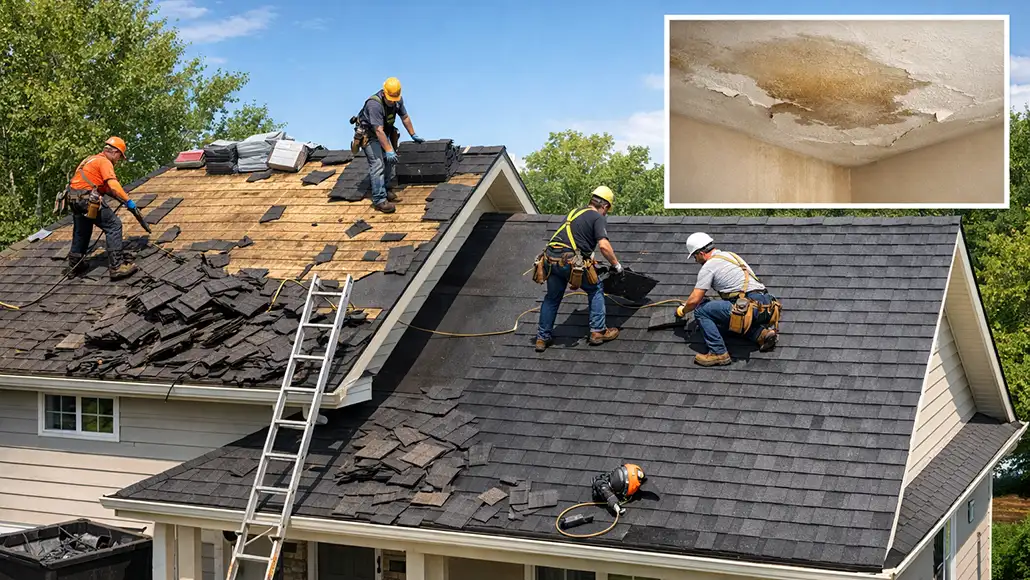
A roof is one of the most important investments you’ll ever make in your home. A long-lasting roofing system not only protects your family from the elements but also improves energy efficiency, increases property value, and reduces the need for costly repairs. While quality shingles are important, the lifespan of a roof depends on every component working together as a complete system.
The first step in building a durable roof is ensuring the roof deck is in excellent condition. Before new roofing materials are installed, experienced contractors inspect the decking for signs of water damage, rot, or structural weakness. Replacing damaged wood provides a solid foundation that helps support the roofing system for years to come.
Modern roofing systems use multiple protective layers to defend against moisture. Ice and water barriers are installed along roof edges, valleys, chimneys, and other vulnerable areas where leaks are most likely to occur. Synthetic underlayment is then installed across the roof deck to provide a secondary barrier against wind-driven rain and moisture infiltration.
Premium architectural shingles are designed to withstand strong winds, hail, heavy rain, and prolonged sun exposure. When installed according to manufacturer specifications, these shingles provide excellent durability while maintaining their appearance for many years. Proper nail placement and fastening techniques are essential to maximizing wind resistance and protecting manufacturer warranty coverage.
Flashing is another critical component of a long-lasting roofing system. New flashing should be installed around chimneys, skylights, plumbing vents, dormers, and roof-to-wall intersections to prevent water from entering the home. Even the best shingles cannot stop leaks if flashing is improperly installed or deteriorated.
Attic ventilation also plays a major role in roof longevity. Balanced intake and exhaust ventilation help remove excess heat during the summer and moisture during the winter. Proper airflow reduces stress on roofing materials, minimizes the risk of ice dams, and helps extend the life of both the roof and attic insulation.
Regular maintenance is equally important. Annual roof inspections, gutter cleaning, removing debris from valleys, and repairing storm damage promptly help identify minor issues before they become expensive problems. Preventative maintenance can add years to the life of a roofing system.
Professional installation is what ties everything together. Experienced roofing contractors follow manufacturer guidelines, local building codes, and proven installation methods to ensure every component performs as intended. Attention to detail during installation is one of the biggest factors in determining how long a roof will last.
Investing in Long-Lasting Roofing Systems means choosing quality materials, expert craftsmanship, and routine maintenance. A properly installed roofing system provides dependable protection, improves curb appeal, enhances your home’s value, and gives homeowners confidence that their investment will continue protecting their family through every season for decades.
