

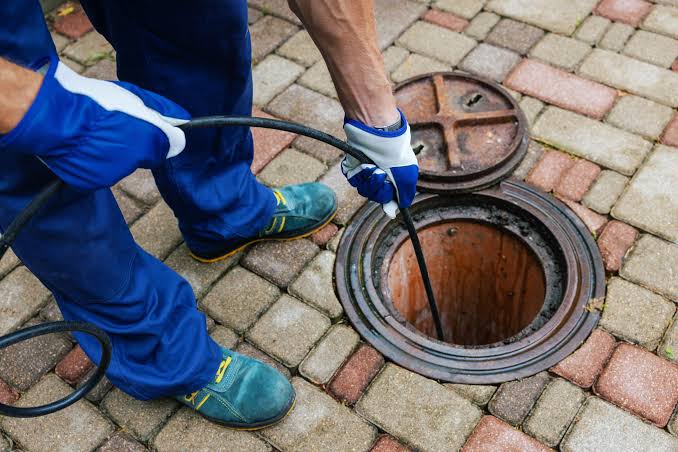
A plumbing system can appear perfectly functional on the surface while serious problems develop underground. Water may still disappear down the kitchen sink, toilets may continue flushing, and daily routines may remain uninterrupted. However, beneath the property, an aging sewer pipe could be cracking, shifting, or gradually losing its ability to carry wastewater efficiently.
For homeowners and businesses in Brantford, sewer and drain replacement becomes an important consideration when repeated repairs no longer provide dependable results. Damaged underground pipes can contribute to recurring blockages, wastewater backups, and costly property disruptions.
Understanding when replacement is necessary, how the process works, and what determines the right installation method can help property owners make informed decisions about their plumbing infrastructure.
When Drain Cleaning Is No Longer the Solution
Most drainage problems begin with familiar symptoms: slow-moving water, unpleasant odours, or occasional clogs.
In many cases, professional drain cleaning can remove accumulated grease, debris, or other obstructions.
But what happens when the same blockage returns only weeks after cleaning?
Recurring problems may indicate that the pipe itself is damaged.
A cracked section can allow roots to enter, while a displaced joint may repeatedly trap debris. Severely deteriorated piping can also restrict wastewater movement.
When these conditions are present, additional cleaning may provide only temporary improvement.
Replacing the affected section can sometimes offer a more dependable long-term solution.
The Warning Signs Hidden Beneath Your Property
Underground sewer damage does not always produce obvious surface evidence.
Instead, homeowners may notice unusual plumbing behaviour throughout the building.
Common warning signs include:
- Multiple fixtures draining slowly at the same time.
- Wastewater returning through basement floor drains.
- Frequent sewer blockages despite previous cleaning.
- Persistent sewage odours associated with drainage problems.
- Unexplained damp areas near underground sewer connections.
- Tree roots repeatedly discovered during sewer cleaning.
These symptoms do not automatically mean replacement is necessary.
However, they suggest that the drainage system deserves professional investigation.
Why Underground Pipes Eventually Fail
Sewer pipes are designed for long-term use, but they are constantly exposed to wastewater, soil conditions, moisture, and environmental changes.
Over time, some pipe materials can corrode, crack, or become structurally weakened.
Ground settlement may shift underground connections, creating uneven sections where wastewater collects.
Tree roots can enter existing cracks or defective joints and gradually expand inside the pipe.
Improper installation can also contribute to premature failure.
The condition of a sewer line depends on its material, age, installation quality, and surrounding environment.
This is why replacement decisions should be based on actual pipe condition rather than age alone.
A Brantford Homeowner’s Expensive Cycle of Repairs
Consider a homeowner who experiences a basement drain backup every few months.
Each time, a plumber clears the obstruction and normal drainage returns.
However, the problem keeps coming back.
Eventually, a sewer camera inspection reveals a damaged underground connection that repeatedly catches debris.
At this point, continuing to pay for cleaning appointments may not address the underlying issue.
A targeted replacement could eliminate the damaged section responsible for the recurring obstruction.
The lesson is straightforward: when the same plumbing problem returns repeatedly, investigating the cause can be more valuable than repeating the same temporary repair.
How Sewer Camera Inspection Helps Avoid Guesswork
Underground pipes are difficult to evaluate without specialized equipment.
A sewer camera inspection allows a technician to examine accessible sections of the drainage line.
The inspection may reveal cracked piping, root intrusion, displaced joints, or other visible defects.
These findings help determine whether the problem involves ordinary buildup or structural deterioration.
A camera inspection may also help identify the approximate location of damaged piping.
However, severely blocked or collapsed sections can limit visibility, making additional investigation necessary.
Partial Replacement Versus Complete Sewer Replacement
Not every sewer problem requires replacing the entire underground line.
If the damage is isolated, replacing a short section may be sufficient.
However, widespread deterioration, multiple structural defects, or repeated failures along the same line may justify more extensive replacement.
The appropriate scope depends on the remaining pipe’s condition and the expected reliability of the repaired system.
Before approving major work, property owners should understand which sections are damaged and why replacement is being recommended.
This helps avoid unnecessary excavation and unexpected expenses.
Choosing a Replacement Method That Fits the Property
Traditional excavation remains an established method for replacing damaged underground sewer pipes.
It involves accessing the affected section, removing unsuitable piping, and installing a new line with appropriate connections and drainage slope.
Some properties may also be candidates for trenchless rehabilitation or replacement techniques.
These methods can sometimes reduce surface excavation, but they are not suitable for every damaged sewer.
Pipe alignment, structural condition, accessibility, and connection requirements influence the available options.
An assessment should determine which method is appropriate for the property rather than assuming one technique is always preferable.
Why Proper Installation Matters as Much as Pipe Quality
Even high-quality drainage materials can perform poorly when installed incorrectly.
Gravity sewer systems depend on suitable pipe slope to move wastewater efficiently.
Improper grading can encourage debris accumulation or create sections where water collects.
Secure joints, appropriate bedding, and careful backfilling also contribute to installation reliability.
Required testing and inspections should be completed before underground work is finalized.
These details are particularly important because correcting installation mistakes after excavation has been closed can be expensive.
What Makes Sewer Replacement Different in Brantford?
Brantford includes established residential neighbourhoods, newer subdivisions, commercial buildings, and properties with different underground drainage arrangements.
Older homes may contain piping installed decades ago, while newer properties can experience problems caused by ground movement or improper waste disposal.
The depth of the sewer connection, available access, and surrounding landscaping can also influence the project.
Before recommending major work, plumbing professionals in Brantford should evaluate the property’s existing drainage configuration and the extent of the damage.
A site-specific assessment helps establish a realistic replacement plan.
Understanding Sewer Replacement Costs
The cost of sewer and drain replacement depends on several factors.
These include the length and depth of the damaged pipe, excavation requirements, accessibility, materials, and surface restoration.
A replacement beneath an open lawn may involve different work than one located beneath a driveway or finished basement floor.
Permits, inspections, and utility coordination may also affect the project.
Homeowners searching for a drain replacement company near me should request an explanation of the proposed work and what the estimate includes.
A clear estimate helps distinguish essential replacement work from optional improvements or additional restoration services.
Why Planning Before Excavation Is Essential
Underground sewer replacement requires careful coordination.
Before excavation in Ontario, underground utility locates should be arranged through Ontario One Call. Privately owned underground services may require separate locating arrangements.
Depending on the work, municipal permits and inspections may also be necessary.
The contractor must consider excavation safety, soil conditions, pipe elevations, and access to the damaged section.
Proper planning helps reduce avoidable delays and protects surrounding infrastructure.
Emergency circumstances do not eliminate the need to follow applicable safety requirements.
When Sewer Replacement Requires Urgent Attention
Some damaged sewer lines can continue operating while replacement work is scheduled.
Others may become unusable because of severe restrictions or complete collapse.
Wastewater backing up into occupied areas creates sanitation concerns and requires prompt attention.
If sewage begins entering a basement, stop using affected plumbing fixtures and avoid contact with contaminated water.
Property owners seeking an expert sewer and drain replacement service in Brantford should explain whether the system is completely blocked, whether wastewater is entering the building, and whether previous repairs have failed.
Urgent assessment may be possible, but the actual replacement timeline depends on site conditions, utility locates, approvals, and required equipment.
Protecting Your Property During Replacement
Underground sewer replacement may temporarily affect normal plumbing use.
Depending on the project, water and wastewater services may need to be restricted during certain stages.
Excavation can also affect lawns, gardens, walkways, or other surrounding surfaces.
Property owners should discuss access requirements, anticipated disruptions, and restoration responsibilities before work begins.
For commercial buildings, scheduling may require additional coordination to minimize operational interruptions.
Clear communication helps property owners prepare for the work and understand the expected completion process.
How to Maintain a Newly Replaced Sewer Line
A new sewer connection can improve drainage reliability, but responsible usage remains essential.
Avoid flushing wipes, paper towels, and hygiene products.
Keep cooking grease and oils out of kitchen drains.
Use sink strainers to collect food scraps.
Pay attention to unusual drainage sounds or recurring slow fixtures.
Maintain accessible cleanouts so future inspections and cleaning can be performed when necessary.
These habits can reduce avoidable obstructions and help protect the replacement system.
Maple Leaf Plumber for Sewer and Drain Replacement in Brantford
Maple Leaf Plumber offers plumbing services for residential and commercial properties in Brantford, including assistance with sewer and drainage concerns.
Problems involving deteriorated underground pipes, recurring wastewater backups, damaged connections, and persistent drainage restrictions require careful evaluation.
A professional assessment can help determine whether cleaning, localized repairs, or pipe replacement is appropriate.
Property owners can contact Maple Leaf Plumber to discuss their drainage concerns, available services, and the next steps for evaluating a potential sewer replacement project.
Conclusion
Sewer and drain replacement is an important investment when underground plumbing has deteriorated beyond the point where routine cleaning or minor repairs can provide dependable results.
Cracked pipes, collapsed sections, displaced joints, and recurring root intrusion can all interfere with normal wastewater movement.
For homeowners and businesses in Brantford, identifying these problems early helps prevent repeated temporary repairs and supports better long-term decisions.
With accurate diagnosis, suitable replacement materials, careful installation, and responsible maintenance, property owners can establish a more reliable drainage system for years to come.