

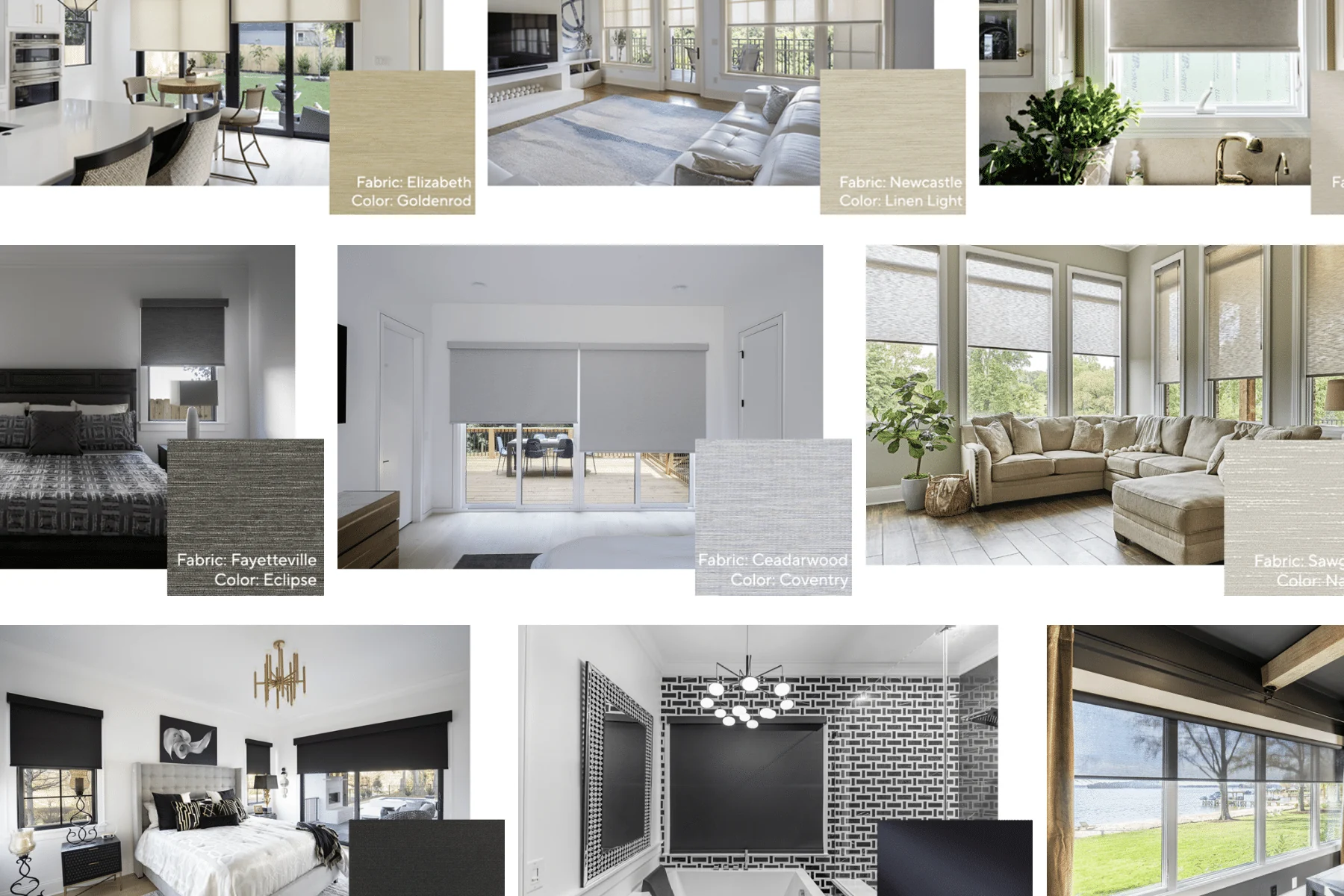
Choosing the right window coverings can make a significant difference to the appearance, comfort and functionality of your home. Different rooms have different lighting requirements, privacy needs and interior styles, so selecting one window treatment for the entire property may not always be the best approach.
Some spaces benefit from natural light, while others require greater privacy or protection from direct sunlight. Bedrooms, living rooms, kitchens and home offices all have different requirements that should be considered before making a purchase.
Roller blinds are a practical option for many homes because they are available in different fabrics, colours, transparency levels and operating styles. Their simple appearance also makes them suitable for a wide range of interior designs.
Understanding what to look for before purchasing can help you select window coverings that complement each room while meeting your everyday requirements.
Why Roller Blinds Are a Popular Choice for Homes
Window coverings serve several purposes beyond decorating a room. They help manage sunlight, provide privacy and contribute to the overall comfort of an indoor space.
Roller blinds are popular because they offer a straightforward design and can be customised to suit different window sizes and interior preferences.
Some of their key benefits include:
- Simple appearance: Their clean design works well with modern and traditional interiors.
- Light control: Different fabric options allow homeowners to manage incoming daylight.
- Privacy: Suitable fabric choices can help reduce visibility from outside.
- Versatility: They can be used in bedrooms, living rooms, kitchens and offices.
- Easy operation: Depending on the selected system, blinds can be operated manually or through motorised controls.
- Colour choices: A wide range of colours and finishes makes it easier to coordinate with existing décor.
When selecting roller blinds for windows, homeowners should consider the room’s purpose, window position and the amount of light they want to allow inside.
1. Choosing Roller Blinds for the Living Room
The living room is often one of the most frequently used spaces in a home. It may be used for relaxing, entertaining guests, watching television or spending time with family.
The right blinds should complement the interior while providing suitable light control and privacy.
Consider the following factors:
- Natural light: Light-filtering fabrics can help soften incoming sunlight while maintaining a bright atmosphere.
- Privacy: Consider how visible the room is from neighbouring properties or the street.
- Interior style: Choose colours and textures that complement furniture, flooring and wall finishes.
- Glare reduction: Suitable fabric options can help reduce sunlight glare on television screens.
For living rooms with large windows, homeowners may prefer consistent blinds across multiple windows to create a coordinated appearance.
2. Selecting the Right Fabric and Light Control
Fabric selection is one of the most important decisions when purchasing window coverings. Different materials offer different levels of light filtration, privacy and visibility.
Before selecting a fabric, consider how much natural light each room receives and whether complete darkness or filtered daylight is more suitable.
Common fabric options include:
- Sheer fabrics: Allow more natural light to enter while providing a softer window appearance.
- Light-filtering fabrics: Reduce direct brightness while maintaining some daylight.
- Blockout fabrics: Help prevent most external light from entering when properly fitted and specified.
- Sunscreen fabrics: Help reduce glare and manage sunlight while maintaining some outward visibility, depending on openness and lighting conditions.
The choice depends on the room and how the space is used. A fabric that works well in a living room may not provide enough darkness for a bedroom.
3. Choosing Blinds for Bedrooms
Bedrooms generally require greater privacy and better light control than many other areas of the home.
External streetlights, early morning sunlight and neighbouring properties can affect sleep and comfort. Blockout fabric is often a suitable option for people who prefer a darker sleeping environment.
When selecting bedroom blinds, consider:
- The direction the bedroom windows face.
- The amount of sunlight entering during the morning.
- Whether complete darkness is important.
- The need for privacy during the evening.
- Whether the blinds should complement existing curtains or furnishings.
Homeowners should also consider the installation method. Light gaps around the edges may allow some sunlight to enter, even when blockout fabric is used.
4. Selecting Roller Blinds for Kitchens
Kitchen windows often require window coverings that are practical and easy to maintain.
Cooking activities can produce moisture, heat and airborne grease, so the selected fabric should be appropriate for the environment.
Important considerations include:
- Choosing materials suitable for the kitchen environment.
- Selecting colours that coordinate with cabinetry and benchtops.
- Considering how easily the fabric can be cleaned.
- Avoiding installation positions that interfere with cooking areas.
- Ensuring blinds can be operated safely and conveniently.
For kitchen spaces, a simple design with practical fabric properties can help maintain a clean and organised appearance.
5. Choosing Blinds for Home Offices
Home offices require a comfortable environment that supports concentration and productivity.
Direct sunlight can create glare on computer screens, making it difficult to work comfortably. The right window covering can help manage brightness without making the room unnecessarily dark.
Consider light-filtering or sunscreen fabrics depending on the window’s position and the amount of sunlight entering the room.
Other useful considerations include:
- Reducing glare on monitors.
- Maintaining suitable daylight.
- Providing privacy during video meetings.
- Coordinating blinds with the office interior.
- Choosing convenient operating systems.
Motorised blinds may also be worth considering for larger or difficult-to-reach windows.
6. Matching Blind Colours with Your Interior Design
Colour selection can influence how a room looks and feels. The right shade can complement existing décor, while an unsuitable colour may make the window covering stand out for the wrong reasons.
Neutral shades such as white, cream, grey and beige are versatile options that work with many interior styles.
Homeowners can also consider:
- Matching blinds with wall colours.
- Coordinating fabrics with furniture and flooring.
- Choosing contrasting colours for a stronger visual effect.
- Using similar shades across connected living areas.
- Selecting textured fabrics to add visual interest.
It is useful to review fabric samples in the actual room because colours can appear different under natural and artificial lighting.
7. Understanding Manual and Motorised Options
Operating systems are another important factor when choosing blinds.
Manual systems are generally straightforward and may be suitable for standard-sized windows that are easy to reach.
Motorised options provide additional convenience, particularly for large windows, high ceilings or multiple blinds that need to operate together.
Before choosing an operating system, consider:
- Window size and accessibility.
- Frequency of use.
- Available power or battery arrangements.
- Control preferences.
- Installation requirements.
- Ongoing maintenance.
The most suitable option will depend on the home’s layout, budget and daily requirements.
8. Measuring Windows Before Purchasing
Accurate measurements are essential for achieving a suitable fit.
Incorrect measurements can result in gaps, uneven installation or blinds that do not operate as intended.
Before ordering, homeowners should consider:
- Whether the blinds will be installed inside or outside the window frame.
- The width and height of each window.
- Any handles or other obstructions.
- The depth available within the window recess.
- The installation requirements of the selected blind system.
For customised products, professional measuring can help reduce the risk of ordering the wrong size.
9. Common Mistakes to Avoid When Choosing Blinds
A few common mistakes can affect the appearance and functionality of new window coverings.
These include:
- Selecting the same fabric for every room without considering different requirements.
- Ignoring the direction and intensity of sunlight.
- Choosing a colour without checking it in the actual room.
- Overlooking privacy requirements.
- Using unsuitable fabrics in moisture-prone areas.
- Forgetting to measure windows accurately.
- Choosing an operating system that is inconvenient for everyday use.
Taking time to assess each window individually can help homeowners avoid these issues.
Creating a Comfortable and Coordinated Home
The right window coverings should balance appearance, privacy, light control and everyday convenience. Living rooms may benefit from light-filtering fabrics, bedrooms often require greater light reduction, and kitchens need materials that are practical to maintain.
When selecting roller blinds, consider the purpose of each room, the direction of the windows, the desired level of privacy and the existing interior design.
By comparing fabric options, measuring accurately and selecting suitable operating systems, homeowners can create a consistent appearance throughout their property while ensuring each room has the functionality it needs.