

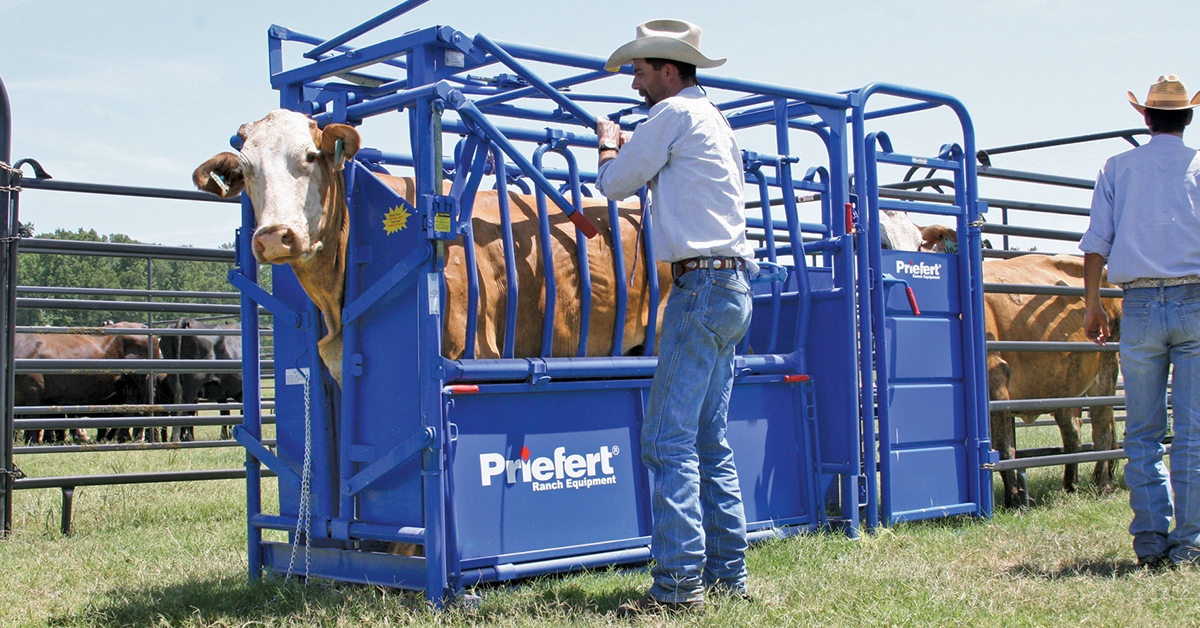
Managing livestock requires more than experience and good animal care practices. Farmers also need the right tools to move, restrain, sort, and manage animals safely. The right livestock handling equipment can make daily farm tasks more efficient while reducing unnecessary stress for both animals and workers.
From cattle and sheep to goats and other farm animals, proper handling systems provide better control during routine operations. They also help create a safer and more organized working environment.
Why Livestock Handling Equipment Matters
Handling livestock can become challenging when animals are large, strong, or unpredictable. Trying to manage them without suitable equipment can increase the risk of injuries, escapes, and unnecessary animal stress.
Modern handling solutions help farmers control animal movement in a more practical way. They can also reduce the physical effort required during common farm tasks.
Some important benefits include:
- Improved worker safety
- Better animal control
- More efficient livestock movement
- Reduced handling time
- Easier sorting and loading
- More organized farm operations
- Greater consistency during routine procedures
Choosing equipment that matches the size and type of livestock is therefore an important part of farm planning.
Common Types of Livestock Handling Equipment
Different farm operations require different handling solutions. A well-designed handling area may include several pieces of equipment that work together.
Cattle Chutes
Cattle chutes help guide and restrain cattle during routine handling. They provide a controlled space where animals can be managed without unnecessary movement.
Depending on the design, chutes may support tasks such as sorting, weighing, identification, and general livestock management.
Livestock Panels
Livestock panels help create temporary or permanent boundaries. Farmers can use them to build pens, lanes, holding areas, and sorting spaces.
Their flexibility makes them useful for farms that frequently change their handling setup.
Livestock Gates
Strong gates provide controlled access between different areas. They can help direct animals toward holding pens, chutes, trailers, or pasture areas.
A properly positioned gate can make livestock movement much easier.
Loading Ramps
Moving livestock between the farm and a trailer requires a suitable loading area. Loading ramps provide a controlled route for animals entering or leaving transportation equipment.
A stable and appropriately designed ramp can make loading operations more organized.
Scales and Weighing Systems
Livestock weighing systems allow farmers to monitor animal weight. Accurate weight information can support better management and record keeping.
Integrated weighing solutions can also make the weighing process more efficient during regular handling.
Improving Safety During Livestock Handling
Equipment alone does not guarantee safe operations. Farmers should also consider the layout and condition of the handling area.
Walkways should remain clear of unnecessary obstacles. Gates should operate properly, while panels and other structures should remain secure.
Farm workers should also understand how animals may react in unfamiliar situations. Calm and controlled movement can help prevent sudden reactions.
Regular inspections are equally important. Damaged equipment should be repaired or replaced before it creates a safety concern.
Choosing the Right Equipment for Your Farm
Every farm has different requirements. Before purchasing livestock handling equipment, consider several factors.
Consider Animal Size
Equipment should accommodate the animals being handled. Cattle, sheep, goats, and other livestock may require different dimensions and configurations.
Evaluate Farm Layout
Consider where animals normally enter, exit, feed, rest, and move between areas. Equipment should fit naturally into the existing workflow.
Think About Frequency of Use
A small operation may need a simpler setup, while a busy livestock facility may benefit from a more comprehensive handling system.
Prioritize Durability
Farm equipment faces regular exposure to animals, weather, dirt, and heavy use. Durable construction can help equipment remain functional over time.
Consider Ease of Maintenance
Equipment should be relatively easy to inspect, clean, adjust, and repair. Simple maintenance can help prevent operational problems.
The Role of Good Handling Design
A good handling system is not simply a collection of gates and panels. The overall layout matters.
Animals should have a clear path through the handling area. Sharp turns, unnecessary distractions, and poorly positioned gates can make movement more difficult.
Farmers should therefore look at the complete workflow before installing new equipment. A well-planned system can help reduce unnecessary movement and make routine tasks more predictable.
Supporting More Efficient Farm Operations
Time is valuable on every farm. Efficient handling equipment can help workers complete routine livestock management tasks with less manual effort.
Instead of repeatedly building temporary barriers or manually controlling animal movement, farmers can use dedicated handling systems designed for specific tasks.
This can be especially useful during busy periods when multiple animals need to be sorted, moved, weighed, or loaded.
Maintenance Should Not Be Overlooked
Even high-quality equipment requires regular attention. Farmers should inspect gates, hinges, latches, panels, chutes, and other components.
Look for signs of:
- Rust or corrosion
- Loose connections
- Bent panels
- Damaged surfaces
- Worn hinges
- Faulty latches
- Unstable supports
Routine inspections can help identify problems before they interfere with daily operations.
Final Thoughts
Effective livestock management depends on the right combination of knowledge, planning, and equipment. Livestock handling equipment provides farmers with practical solutions for moving, sorting, restraining, weighing, and loading animals.
A well-designed handling system can support safer workflows while making everyday farm operations more efficient. By considering animal size, farm layout, equipment durability, maintenance needs, and frequency of use, farmers can select solutions that fit their specific requirements.
Investing in appropriate livestock handling equipment is ultimately an investment in a more organized, productive, and safer farm environment.
