

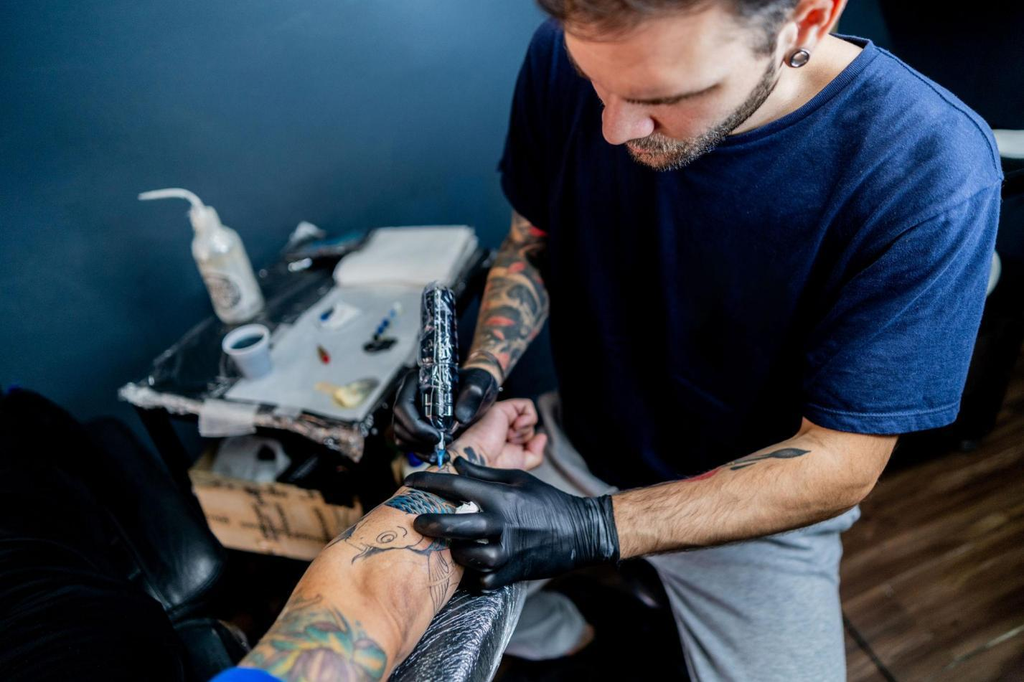
The ability to make sure a tattoo stays crisp and bright even ten years after getting it is not some kind of stroke of luck; it is a skill. Anyone who has done any research on finding a reputable tattoo parlour bath has probably found that longevity is a factor along with the artistic aspect for good reason. Everything from needle depth, line thickness, ink quality, to even placement will affect how well a tattoo will stand the test of time. All the technical aspects of a good tattoo should be known by an artist at the same level as the aesthetic qualities because a beautifully made tattoo which fades in just a couple of years fails to serve its intended purpose.
Needle Depth and Precision: The Technical Foundation of Longevity
The depth of the needle is a key factor behind the longevity of the tattoo design that few people know about. When ink is injected too close to the surface of the skin, it will fade away or blur due to skin healing processes, while if the ink is injected too deep, then blowouts may occur. The right balance should be reached through calibration of the machine and the hand pressure to achieve the optimal depth for the permanent settling of the ink.
Why Depth Consistency Matters
A tattoo that features variations in needle depths will always result in uneven fading, with some parts having more ink retained in the skin than others. It all boils down to consistency.
How Artists Calibrate Their Technique
Artists who are well experienced set the speed of the machine and needle configuration depending on the region of the body where the tattoo will be created.
Why Line Weight Determines How a Tattoo Ages
Line weight, that is the width of the lines in a tattoo, directly affects its longevity. Delicate, thin lines are likely to spread out and become blurred sooner because of the natural stretching and aging of the skin, hence the need for precise placement in order to maintain fine line tattoos. Lines that are thicker and bolder, on the other hand, stand a better chance of surviving the years without blurring or smearing. Experienced artists are known to vary line weights in one single tattoo depending on their purpose.
Fine Lines and Their Limitations
Although fine lines are absolutely beautiful when new, they tend to fade and blur more easily. Fine lines are always suggested for small and simple designs instead of larger, more intricate ones.
Strategic Use of Bold Outlines
By making the outlines of key design components bolder, we make sure that the composition is solid. This approach makes sure that our tattoo remains legible from a distance even as its finer elements wear off.
Shading Methods That Hold Up Over Decades
While shading gives a tattoo more depth and realism, it is also one of the more delicate forms of techniques regarding the tattoo’s durability. The whip shading and gradient shading need proper needle work to prevent over-saturation, which will cause the healing process to scar and get a mottled appearance. Tattoo artists with skills in longevity shading always apply the ink by doing it through thin layers and not overwhelming the skin with ink all at once. This technique makes the shading age well without getting muddy over time.
Layering Versus Single-Pass Shading
Gradual shading using several passes of lighting gives better and more permanent results than an attempt at depth using just one thick pass.
Avoiding Oversaturation During Healing
Over-application of ink in shaded areas can lead to scars that might alter the design as it heals. This is why moderation is required when shading for preservation of the overall image.
Color Saturation Techniques That Resist Fading
Color tattoos present their own problems because the color pigments fade away much faster than the black pigments due to exposure to sunlight and the healing process of the body. How this problem can be overcome is by using the correct technique of saturating the color on the skin without overstressing the particular spot. Good quality pigments need to be used, as well as knowledge of the right color for different skin types. Professional tattoo artists normally advise on colors that do not fade easily.
Even Ink Packing for Solid Color
Colors that are even and solid fade less than colors that are uneven. It takes time and more passes to accomplish this kind of work.
Choosing Pigments Known for Longevity
There are some colors that are inherently more stable than other colors. Artists who have had lots of experience usually advise their clients on stable colors
Skin Type and Placement: Factors Artists Must Account For
Not all clients have the same type of skin, as variables like skin elasticity, production of oil, and skin thickness play an important role in the way a tattoo ages. The skin area that is more active or stretches more, like the bend of the elbow or ribs, experiences more deformation than a flat area, like the outer side of the arm. Experienced artists take these differences into consideration while designing the tattoo and suggest some adjustments according to the location of the tattoo.
High-Movement Areas and Their Risks
Articulations and joints tend to lose details more quickly than other areas because they stretch easily. The artist may, therefore, have to simplify their design to keep clarity.
Adjusting Technique for Skin Elasticity
Different skin elasticity may result in a different depth and pace of insertion for the needle. Being able to recognize this will allow the artists to adapt their style of work.
The Role of Ink Quality in Long-Term Results
The quality of the ink utilized in the tattoo procedure will have a significant influence on the end result several years down the line. Poor quality ink or ink that is not stored properly may lead to fading or changes in color. The studio that wants to make sure of longevity in the end result is very selective with regard to the ink they utilize. Important qualities of good ink include:
- Reputable and regulated source of the pigment
- Proper storage of the pigment away from heat or sunlight
- Constant batch of pigment in order to prevent color inconsistency
- Formulated ink that is safe and stable for skin
- No dilution of the pigment or use of unregulated sources of pigment
Why Cheap Ink Costs More Long-Term
Ink of poor quality often fades within a few years, necessitating costly touch-ups. Spending on good quality will usually pay off in the long run.
How Studios Vet Their Ink Suppliers
The reputably good studios carry out background checks on their suppliers to ensure that they are certified and safe. This ensures safety not only for the customer’s skin but also the durability of the final product.
Traditional Bold Style Versus Fine Line: A Longevity Comparison
In terms of longevity, the traditional tattoos that use the bold style usually win over the fine line tattoos. The thick outlines and solid colored filling, along with simplified details make sure that the traditional tattoos stay readable for decades to come. In contrast to that, the fine line tattoos will start to blur after some time since they are quite delicate. However, this doesn’t mean that fine line tattoos shouldn’t be considered at all; clients just need to be aware of the pros and cons of each tattoo style.
Why Traditional Style Ages So Well
Straight lines and simple shapes were invented with the purpose of standing the test of time. It is still one of the most durable design solutions.
When Fine Line Still Makes Sense
Smaller, less complex fine lines may also fare pretty well when located in areas of low movement. Large or very intricate fine lines are the ones most at risk in terms of longevity.

Sterilization and Technique: How Safety Practices Protect the Final Result
Sterilization is not only important for preventing infection but also because it helps to preserve the quality of the completed tattoo shop bath itself. All legitimate places where clients come for tattooing follow very strict hygiene standards, since any contamination or problems during the healing process due to inappropriate procedures will lead to damaging the best-designed tattoos. Sterility of needles, hygiene of workplace, and correct wound care right after the procedure – all this helps in the healing process and contributes to the longevity of the tattoo.
How Contamination Affects Healing
The infections that may occur during the process may lead to scaring or patches on the tattoo. Sterilization prevents this from happening.
Safety Standards Clients Should Expect
The use of disposable needles, sterilized equipment, and cleanliness should always be a norm. Customers should not shy away from asking about this procedure before scheduling an appointment.
Touch-Ups and Maintenance: Extending a Tattoo’s Lifespan
The finest of tattoos will always have some natural fading due to aging, and this is why the need for touch-ups becomes an important part of maintenance. Places that have a lot of intricate designs or vibrant colors tend to gain from touch-ups every few years, particularly if exposed to sunlight and friction. Touch-up sessions can be done by expert tattoo artists who will blend them with the original tattoo so that there would be no traces left of the touch-up process.
When to Consider a Touch-Up
Obvious signs of fading, blurring of lines, or uneven coloring are some things that would indicate that it is time to update. Early detection will make the process easier and less obvious.
Blending New Work Into Old Ink
A skilled artist knows how to combine technique and colors with existing ink. The smooth blending is what makes touch-up work appear purposeful rather than makeshift.
How Sun Exposure and Aftercare Impact Long-Term Vibrancy
Even with perfect technique, the longevity of a tattoo relies a great deal on the way the tattoo is cared for once it leaves the artist’s hands. One of the primary reasons for early fading is sunlight, which breaks down the pigment much more rapidly than age can on its own. Protecting a tattoo from the sun, through regular application of sunscreen, as well as moisturizing the skin, will maintain the color intensity and sharp lines for many more years than the untreated skin.
Why Sunscreen Matters Years Later
UVA rays gradually degrade the pigments. Frequent application of sunscreens on the tattooed area can reduce fading, even decades after the initial treatment.
Daily Habits That Preserve Ink
Keeping the skin moisturized and avoiding too much friction will help to keep the skin healthy in the tattoo area. Healthy skin is one of the easiest methods for maintaining vibrancy.
Conclusion
Tattoo art that lasts forever cannot happen by chance; rather, it is the result of good technique that has been mastered and carried out consistently from the very first line drawn until the final touches that will take place many years from now. How deep the needle is inserted, how thick or thin the lines should be, how high the quality of ink must be, and how good aftercare should be done in order to ensure that the tattoo remains vividly alive are just some of the considerations that affect the lifespan of a tattoo. Such knowledge allows a client to make better decisions regarding his choice of tattoo style and tattoo artist.
