

In the quiet moments before sleep, or the chaotic rush of a morning commute, the weight of a mental health struggle can feel crushing. For many, the battle against anxiety, depression, or trauma is fought in silence, often masked by the noise of daily life. But there comes a tipping point where “coping” is no longer enough—where the environment itself becomes a barrier to healing. This is where residential treatment for mental health ceases to be just an option and becomes a lifeline.
Entering a residential program is a profound act of self-preservation. It is a decision to step out of the storm and into a sanctuary designed specifically for stabilization and growth. In this guide, we will explore why residential care is often the missing link in recovery, how it addresses complex diagnoses, and the pathway it creates toward lasting wellness.
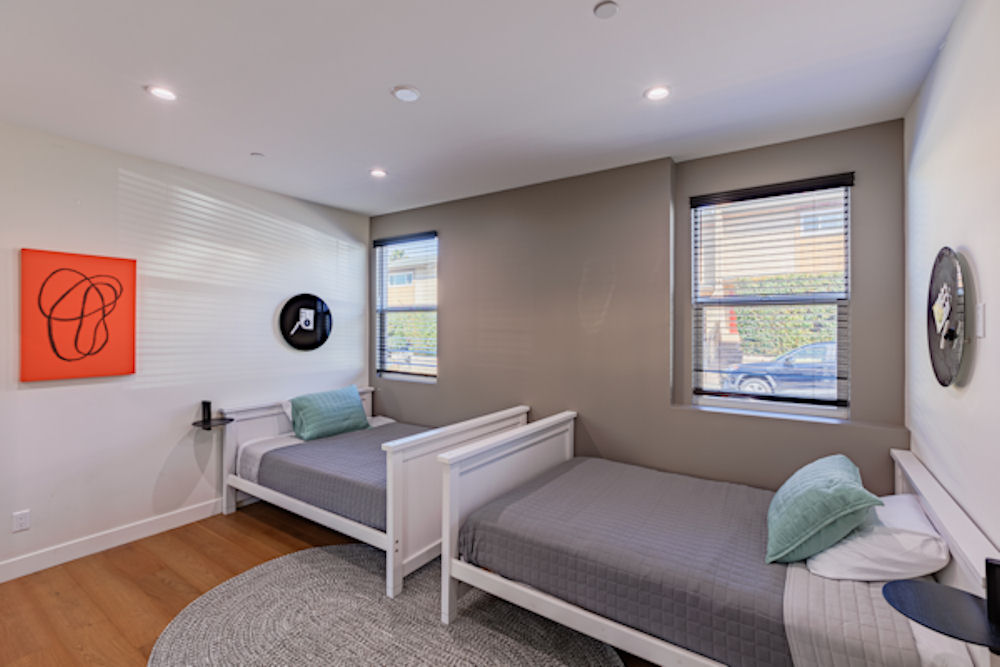
The Sanctuary of Residential Care
Unlike outpatient therapy, where a patient spends an hour a week in treatment and 167 hours navigating the stressors of the real world, residential treatment offers a “closed-loop” healing environment. This immersion is critical for those whose current living situation—whether due to toxic relationships, access to substances, or high-stress careers—actively impedes their recovery.
Breaking the Cycle of Environmental Triggers
A primary advantage of residential care is the removal of environmental triggers. When you are trying to heal a mental health disorder, the brain needs a period of rest to rewire itself. If you are constantly in “fight or flight” mode due to external pressures, therapeutic progress is often stalled. Residential facilities provide a neutral, safe space where the nervous system can finally downregulate. This “pause” allows clinicians to observe symptoms in real-time, free from the interference of outside variables, leading to more accurate diagnoses and effective interventions.
Round-the-Clock Clinical Support
Mental health crises do not adhere to business hours. In a residential setting, support is available 24/7. This continuous care model ensures that if a patient experiences a panic attack at 2 AM or a depressive episode on a Sunday, they are not alone. They have immediate access to nursing staff and crisis intervention specialists. This safety net is essential for building trust—a patient who feels safe is a patient who can finally begin to do the vulnerable work of healing.
The Critical Role of Dual Diagnosis Treatment
For a significant portion of the population, mental health struggles and substance abuse are inextricably linked. This is known as dual diagnosis, and it is one of the most complex challenges in the treatment landscape.
Understanding the Connection
Self-medication is a common response to untreated pain. An individual suffering from undiagnosed PTSD may turn to alcohol to numb the flashbacks, or someone with severe social anxiety may rely on benzodiazepines to function at work. In these cases, treating the addiction without addressing the underlying mental health condition is like putting a bandage on a bullet wound. The substance use is merely a symptom; the mental health disorder is the root cause. Effective residential programs are equipped to treat both simultaneously, ensuring that one condition does not sabotage the recovery of the other.
Integrated Treatment Plans
A high-quality residential center does not view the patient as two separate problems (addiction vs. mental health) but as a whole person. Integrated treatment plans involve a collaborative team of psychiatrists, addiction counselors, and therapists working in unison. For example, while a patient undergoes medical detox, they might simultaneously begin Dialectical Behavior Therapy (DBT) to learn distress tolerance skills. This synchronized approach ensures that as the chemical crutch is removed, psychological coping mechanisms are immediately built to take its place.
Addressing the Full Spectrum of Mental Health Disorders
Residential treatment is not limited to addiction; it is a robust solution for a wide array of psychological conditions that have become unmanageable in an outpatient setting.
Beyond Just Addiction
While many centers specialize in substance recovery, the scope of residential care encompasses severe depressive disorders, bipolar disorder, personality disorders, and complex trauma. For conditions like Bipolar I, where manic episodes can be dangerous, the structure of a residential program ensures medication compliance and sleep hygiene—two non-negotiable pillars of stability. For trauma survivors, the safety of the facility allows them to process deep-seated wounds using modalities like EMDR (Eye Movement Desensitization and Reprocessing) without the fear of being re-traumatized by their home environment.
Personalized Therapy Modalities
There is no “one-size-fits-all” in mental healthcare. Leading facilities utilize a blend of evidence-based therapies tailored to the individual.
- Cognitive Behavioral Therapy (CBT): To identify and challenge distorted thinking patterns.
- Trauma-Informed Care: Recognizing the physical and emotional imprint of trauma.
- Somatic Experiencing: Therapies that focus on the body-mind connection to release stored tension. By having access to these varied modalities daily, patients can achieve in 30 days what might take years in a standard outpatient setting.
Effective mental health marketing is about connecting those in silence with the resources they need. It bridges the gap between suffering and solution.
Cultivating Long-Term Mental Wellness
The ultimate goal of residential treatment is not just to stabilize the patient for a month, but to equip them for a lifetime of mental wellness.
Holistic Therapies for Whole-Person Health
Healing is not just about talk therapy; it is about restoring the body and spirit. Residential programs often incorporate holistic practices such as yoga, meditation, nutritional counseling, and art therapy. These activities teach patients how to reconnect with their bodies in a healthy way. Learning to cook a nutritious meal or finding peace in a meditation session provides practical, transferable skills that enhance quality of life long after discharge.
Aftercare: The Bridge to the Real World
The true test of recovery begins when the patient leaves the facility. A responsible treatment center begins planning for discharge on day one. This involves setting up appointments with local therapists, connecting the patient with support groups (like SMART Recovery or NAMI), and sometimes transitioning them to a step-down program like a Partial Hospitalization Program (PHP). A strong aftercare plan is the blueprint for maintaining the gains made during treatment, ensuring that “wellness” becomes a sustainable lifestyle rather than a temporary state.
Conclusion
Choosing to enter a residential program is not a sign of weakness; it is a strategic move toward a better future. Whether you are battling a complex dual diagnosis or a standalone mental health disorder, the immersive, compassionate, and expert care found in a residential setting offers the strongest foundation for recovery.
You do not have to navigate the darkness alone. The sanctuary you need to heal, reset, and reclaim your life is waiting.