

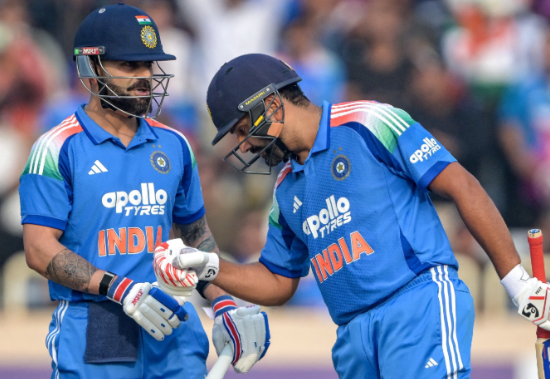
Live cricket used to mean one thing: put the match on, watch whatever the cameras feel like showing, and hope the scoreboard is readable from wherever you’re sitting. These days, that’s not the vibe. Fans expect the match to respond to them. They want to jump between moments, dig into stats instantly, and get the right info at the right time without digging through menus.
That expectation is showing up fast on live pages built for interaction. If someone is exploring a modern live setup, a quick look at something like tamasha live match cricket shows the direction the industry is moving. It’s not just “press play.” It’s match controls, live updates, and navigation that actually keeps up.
From “watching” to “following”: the big shift
Cricket is already event-heavy. One over can swing momentum, a wicket can flip the chase, and a single bad over can set the tone for the next ten deliveries. The old broadcast format kind of forces everyone to follow the same camera path, even if different viewers care about different things.
Interactive platforms do something smarter. They let people steer their attention:
- scoreboard first, then details
- commentary when you want it
- stats when the numbers start telling a story
- replays when you need to confirm that edge or toe-tap
This changes the feeling of live viewing. It becomes closer to “tracking a live event” than “watching TV.”
And yes, sometimes apps overdo it. Too many tabs, too many popups, too many overlays. The best ones avoid that, because cricket already has enough going on.
Ball-by-ball feeds that behave like a conversation
The most common interactive upgrade is the ball-by-ball experience. But the real evolution isn’t just having ball updates. It’s how those updates land.
A modern live cricket interface usually tries to solve a few annoying problems:
- keeping the screen stable while new deliveries arrive
- making it easy to find what just happened
- letting users switch views without losing their place
Think about it. A wicket falls, the page refreshes, and suddenly the viewer has to fight the interface to understand what’s next. That kills engagement.
The interactive future is more controlled. Updates come in a way that feels like a feed, not a restart. Fans tap, scan, and move on. They are not stuck watching the app “catch up.”
Interactive stats are becoming the real backbone
Video is still the main event, but cricket fans are not simple “video watchers.” They keep checking the numbers, because cricket is math disguised as drama.
The more interactive platforms are leaning into stats layers that can be expanded and collapsed fast:
- run rate changes after key moments
- partnerships and strike rate shifts
- bowler spell summaries without leaving the live screen
- trend-like views of momentum (even if those are simplified)
A useful app doesn’t throw a wall of stats at you. It offers a quick “what matters right now” layer, then deeper details if you want them.
There’s also a subtle point here. Stats need to be timed correctly. If the app shows a milestone too late or the scoreboard lags behind the commentary, viewers lose trust. And once trust goes, people switch to whatever feed is smoother.
Notifications are getting smarter, not louder
Notifications used to be the blunt instrument of the internet. Start shouting, hope people tap.
Now it’s shifting toward “event-aware” alerts. Fans don’t want a ping for everything. They want notifications for the stuff that changes the match.
Wickets, milestones, rain delays, powerplay announcements, and big momentum swings. Even a “next over in 5 seconds” kind of alert can feel helpful when someone is half-paying attention.
The best interaction here is control. Users should be able to choose what they care about. Too many sports apps still default to “everything on,” and that’s how notifications turn from helpful to annoying.
When alerts are selective and timed right, engagement stays high. When they’re random, it becomes background noise.
Multi-angle and replay access, but with less friction
Replays used to be a broadcast luxury. Now they’re an expectation, especially for contentious moments like edges, lbws, and close calls. But the future is not “more video.” It’s faster access to the right clip.
Interactive experiences increasingly support quick replay entry:
- tap a ball event to view it again
- jump from a scoreboard event into the replay segment
- show angles without making the user leave live mode
This is where mobile matters. On a phone, every extra step feels heavy. If the replay is buried behind layers, people stop bothering.
The winning systems treat replays like part of the match flow, not a separate feature that you must remember to open.
Betting and predictions are creeping into the match page
This is the part that gets spicy, because interactive live experiences often merge viewing with “what if” engagement. Some platforms show predictions, live betting markets, or quick wagers tied to match events.
Whether someone uses those features or not, they change the interface. The page becomes more than a stream. It becomes a decision surface.
For users, the practical takeaway is simple: if betting-like functionality appears, odds or markets should be readable and not confusing. Buttons should be reachable, and key information should appear quickly, not after a dozen confirmations.
There’s also a responsibility angle. Interactive tools can encourage impulse decisions if the interface pushes actions at the wrong time. A clean UX gives users space to breathe between deliveries.
Social layers are turning live cricket into a shared moment
Even without deep chat features, interactivity is going social. Highlights can be shared. Moment summaries get posted. Fans share screenshots of sudden score swings like they’re breaking news.
More platforms are also learning that people enjoy “company” while watching. Whether that’s watch groups, comment threads, or just quick reaction tools tied to major events, the experience becomes more human.
The risk is clutter. Social features can crowd the screen and distract from the match. The best interactive designs add social value without blocking the essentials.
Mobile-first interaction: the real test of all this
Most fans do not watch cricket on a tablet sitting perfectly at a desk. They watch it on a phone, maybe one-handed, maybe while waiting for something else.
So the interface has to do three things well:
- keep key info readable
- allow fast switching between views
- avoid annoying layout jumps when updates land
A live page that looks good on Wi‑Fi at home can still fail in the real world. One over goes tense, the stream stutters, and suddenly all the interactivity becomes stressful.
Interactive design doesn’t just mean “more features.” It means features that work when the match gets chaotic and the network is imperfect.
What to look for if you want the best interactive live experience
Not every platform tells you what you need. A good approach is to test the experience like a fan, not like a reviewer.
Before committing to a platform for every match, check these fast:
- Can the live scoreboard be read instantly without zooming?
- Do live updates stay smooth, or does the screen jump every time something changes?
- Can the app switch between feed, commentary, and stats quickly?
- Are key events easy to tap, like wickets and milestones?
- Do notifications feel relevant, or do they spam?
If most answers are “yes,” the platform is likely built for real engagement, not just streaming.
Where this is heading next
The future of live cricket experiences looks like a tighter loop between event, information, and action.
More platforms will:
- sync video, ball events, and scoreboard more accurately
- reduce friction for replays and deep stats
- personalize alerts and viewing layouts
- make navigation faster and less confusing on small screens
And maybe the biggest change of all: fewer people will treat live cricket as something they passively watch. It will keep evolving into an interactive feed where fans actively follow the story, moment by moment.
Because cricket already moves at pace. The best platforms just stop making fans chase it.
