

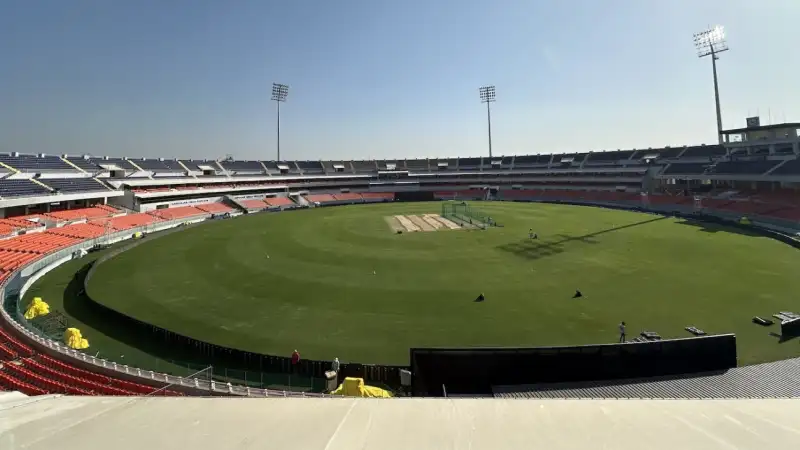
India is building cricket stadiums at a pace unprecedented in its history. From the sand dunes of Rajasthan to the foothills of the Himalayas, new venues are reshaping the sporting landscape of the nation. Yet while the glamour of LED floodlights, cantilevered roofs, and smart ticketing systems captures headlines, the discipline that arguably has the greatest impact on the quality of cricket being played — sports flooring and surface science — remains almost entirely invisible to the public conversation.
- The Maharaja Yadavindra Singh International Cricket Stadium in Mullanpur, New Chandigarh, built at a cost of ₹230 crore across 41.95 acres, is one of the most instructive case studies for anyone serious about the future of sports surface technology in India. Its engineering choices — particularly its sand-based outfield and herringbone drainage system — represent a deliberate departure from conventional Indian stadium construction, and the results have been measured in match minutes saved, player safety improved, and broadcast commitments honoured.