

Quick Summary
- If you’re handling operations or procurement, you’ve seen it happen. A small electrical issue turns into a full stop. Production pauses, teams scramble, and costs go up fast.
- Downtime hurts, not just financially.
A single cable failure can knock out an entire system, delay output, or put safety equipment at risk when it’s needed most. That’s where mineral-insulated cable starts to make sense. It’s designed for rough conditions and keeps working when other cables don’t.
What Is a Mineral-Insulated Cable and How Does It Work?
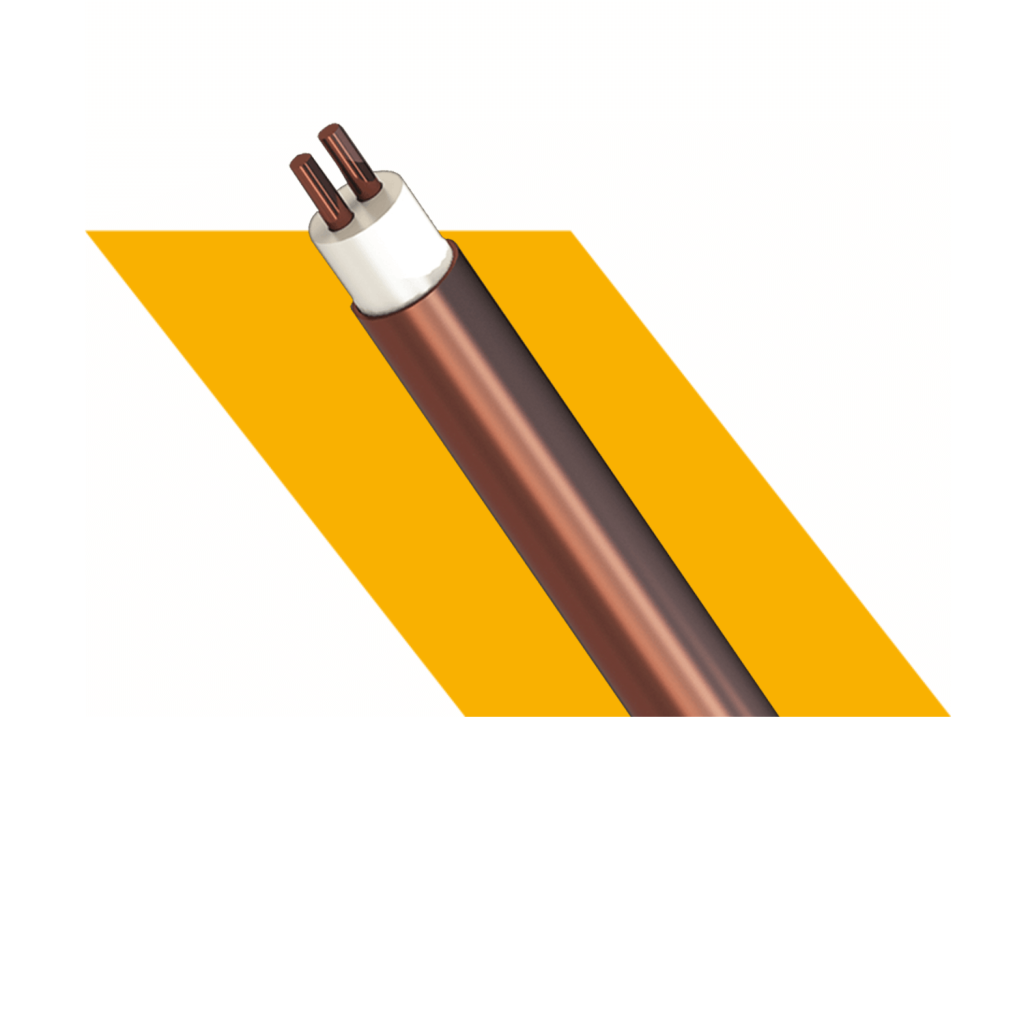
A mineral-insulated cable is built with a copper conductor, surrounded by a tightly packed mineral layer, all enclosed in a metal sheath. The mineral is usually magnesium oxide.
It has three parts:
- A copper core carries current
- The mineral layer stops leakage
- The metal cover protects the cable
Now here’s the part that actually matters on-site. Since there’s no plastic insulation inside, this cable doesn’t burn or melt when temperatures rise. It keeps conducting even during fire exposure, which means connected systems don’t shut down immediately, and that extra time can help teams respond properly instead of reacting under pressure.
Why Industries Choose Mineral-Insulated Cable
No one picks this cable just because it sounds good. It’s usually chosen after dealing with failures.
1. Fire Resistance That Holds
We’re talking about very high temperatures. During an actual fire event, this cable keeps supporting alarms, shutdown systems, and emergency lighting, which gives teams a working window instead of complete system loss.
2. Tough Outer Build
The metal sheath takes hits. Vibration, accidental damage, rough handling. It’s built for sites where conditions aren’t controlled.
3. Longer Life
Frequent replacements are a headache. This cable doesn’t degrade the way polymer cables do, so it stays in place longer.
4. Works in Harsh Environments
Moisture, chemicals, and dust are common in industrial setups. This cable handles it without constant checks.
5. Less Maintenance Pressure
Once installed properly, you don’t need to keep sending teams back for inspections every few months. That frees up resources.
6. Stable Electrical Performance
Noise in the system can create issues. This cable helps reduce interference, which keeps signals stable across operations.
Where You’ll See These Cables in Action
This isn’t limited to one sector. It’s already part of many critical setups.
1. Power Plants
High heat and continuous load. Standard cables struggle here.
2. Oil and Gas Facilities
Risk levels are high, and fire safety is always a concern.
3. Commercial Buildings
Fire alarms, emergency lighting, and evacuation systems. These need to work when things go wrong, not just during routine checks.
4. Manufacturing Units
Unplanned shutdowns cost time and money. A cable failure can stop an entire line.
5. Transport Infrastructure
Tunnels, metros, airports. These environments depend on consistent electrical systems every day.
How It Compares to Other Cable Types
Let’s find out how it works compared to other cables:
1. Vs PVC Cables
PVC cables are common, yes. But in a fire, they melt and release smoke, which adds risk. Mineral-insulated cable stays intact and keeps working longer.
2. Vs XLPE Cables
XLPE cables do perform well in many setups, no doubt. But they rely on synthetic insulation, and when the heat rises too much, they start to struggle. Mineral insulation handles those higher temperatures more comfortably, which is why it’s often chosen for tougher conditions.
Yes, the initial cost can be higher. That’s true. But when you consider fewer failures, less downtime, and a longer working life, it often balances out over time.
Safety Standards You Should Know About
This part matters for both procurement and compliance teams.
- IEC 60702 covers how these cables are built and tested
- BS 6207 focuses on fire-resistant performance
They’re tested for:
- Fire survival
- Flame spread
- Continued operation under stress
You’ll also see ISO certifications, which help ensure consistent manufacturing quality.
Conclusion
In many facilities, cables don’t get attention until there’s a failure. By then, it’s already affecting operations.
A lot depends on stable electrical systems. Production lines, safety equipment, and emergency response setups. When these fail, the impact moves fast across teams and processes, and fixing it isn’t always quick.
That’s why mineral-insulated cable fits well in critical installations. It keeps working under conditions where other cables start failing, and that reliability can make a real difference in day-to-day operations.
If your setup can’t afford unexpected breakdowns, it’s worth considering.
Companies like Tempsens are already working with mineral-insulated cable solutions that are actually built for real industrial conditions, not just lab specs. They meet global standards, yes, but more importantly, they fit into day-to-day operations without creating extra headaches for site teams or maintenance crews who are already juggling enough.
