

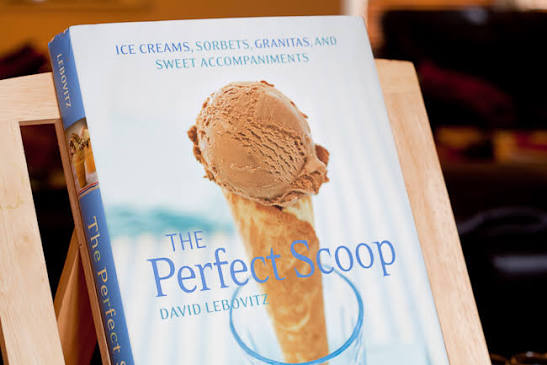
Few desserts are as universally loved as ice cream. Whether you prefer classic vanilla, rich chocolate, or something loaded with cookies and candy, a great scoop has a creamy, smooth, satisfying texture.
Making ice cream might seem straightforward. After all, the basic ingredients often include milk, cream, sugar, and flavorings.
But commercial ice cream production involves a surprising amount of science. Manufacturers carefully control ingredient proportions, temperature, air incorporation, and freezing conditions to create the consistency consumers expect.
Here’s what makes a scoop of ice cream taste and feel just right.
The Ingredients That Make Ice Cream Creamy
Traditional ice cream starts with a mix of dairy ingredients, sweeteners, and flavorings.
Each ingredient contributes something different to the finished product.
Milk fat helps create richness and a smooth mouthfeel. Sugar adds sweetness, but it also affects freezing behavior and helps keep ice cream from becoming too hard.
Milk proteins and other solids contribute body and structure.
Manufacturers may also use stabilizers and emulsifiers to improve texture, manage ice crystals, and maintain consistency during storage.
The proportions matter. Too much water can create an icy texture, while unbalanced fat or sugar content can change how the product freezes and melts.
Developing a successful formulation requires finding the right combination for the intended flavor and style.
Why Ice Cream Mix Is Heated Before Freezing
Before it becomes ice cream, the ingredient mixture typically undergoes pasteurization.
This step uses controlled heating to reduce harmful microorganisms and help ensure the dairy mixture’s safety.
In large-scale production, temperature control is especially important because manufacturers must process large quantities while maintaining consistent conditions.
A heat exchanger in food processing transfers heat between fluids without mixing them. In ice cream manufacturing, appropriate heat-exchange equipment can heat the mixture during pasteurization and cool it afterward.
The exact equipment and processing conditions depend on the product’s ingredients, viscosity, and manufacturing requirements.
After pasteurization, the mix is generally cooled and prepared for additional processing before freezing.
Homogenization Creates a More Uniform Mixture
Milk fat naturally tends to separate from the liquid portion of milk and cream.
Homogenization helps address this by breaking fat globules into smaller droplets and distributing them throughout the mixture.
This creates a more uniform product and helps improve the consistency of the finished ice cream.
The process also influences how fat interacts with other ingredients during freezing.
A well-balanced, properly processed mixture contributes to the smooth texture people associate with high-quality ice cream.
Without careful formulation and processing, the finished dessert might feel greasy, coarse, or uneven.
Why Ice Cream Mix Needs Time to Rest
One less familiar step in commercial ice cream production is aging.
After heating, homogenization, and cooling, manufacturers commonly hold the liquid mixture at refrigeration temperatures for several hours.
During this period, milk fat partially crystallizes, and proteins and stabilizers hydrate.
These changes help prepare the mixture for freezing and can improve its texture and whipping properties.
Although the mix may look almost identical before and after aging, its internal structure changes in ways that affect the finished dessert.
This is one reason commercial ice cream production involves more than simply blending ingredients and putting them in a freezer.
Air Is an Important Ingredient
It may sound strange, but air is one of ice cream’s defining features.
During freezing, the mixture is whipped or agitated to incorporate air while ice crystals form.
This process helps give ice cream its light, scoopable texture.
The amount of air incorporated is known as overrun.
Different products use different overrun levels. Some premium styles have less incorporated air, producing a denser texture, while other products are designed to be lighter.
Neither approach automatically determines quality. The right amount depends on the formulation and the eating experience the manufacturer wants to create.
Without sufficient air incorporation, many frozen desserts would be much harder and less pleasant to scoop.
Ice Crystal Size Makes a Big Difference
Have you ever opened a container of ice cream and found large, crunchy ice crystals?
Ice crystal size is one of the biggest factors affecting ice cream texture.
Small crystals contribute to a smoother mouthfeel. Larger crystals can make the product feel icy or grainy.
Commercial freezing equipment helps control crystal formation by removing heat while mixing the product.
After the ice cream leaves the freezer, it usually hardens further at low temperatures.
Rapid, controlled freezing helps limit excessive crystal growth.
Temperature fluctuations during transportation or storage can still cause crystals to grow over time, so maintaining a consistent frozen environment matters.
Why Some Ice Cream Melts Faster
Melting behavior depends on several factors, including fat content, air incorporation, stabilizers, and the structure formed during freezing.
Temperature also plays an obvious role.
A dense frozen dessert may behave differently from a lighter product, even when both are stored under similar conditions.
Manufacturers consider these characteristics when developing formulations intended for cones, packaged pints, sandwiches, or other frozen treats.
The ideal melting rate isn’t always the same. A soft-serve product has different requirements from an ice cream bar designed to survive packaging and transportation.
More Than Just a Frozen Treat
The next time you enjoy a scoop of ice cream, consider how many scientific principles contribute to its texture.
Ingredient chemistry, heat treatment, homogenization, aging, air incorporation, and controlled freezing all influence the final result.
What seems like a simple dessert is actually the product of carefully managed physical and chemical processes.
And when all those elements come together, the result is exactly what ice cream lovers want: a smooth, creamy scoop worth savoring.
