

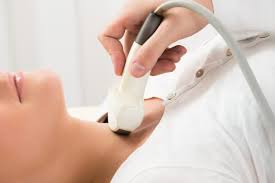
Many patients who consult a General Surgeon in Dubai are surprised to discover that thyroid conditions fall within the scope of general surgery. Just as those seeking aHernia Surgeon in Dubai are often referred by their primary care physician, patients with thyroid nodules, goitres, or thyroid cancer are commonly directed to a general or endocrine surgeon for evaluation and, when indicated, operative treatment.
Understanding the Thyroid and When Surgery Is Needed
The thyroid is a butterfly-shaped gland situated at the front of the neck that produces hormones regulating metabolism, energy levels, and a range of other vital physiological functions. Thyroid conditions that may require surgical intervention include large goitres that cause compression of the trachea or oesophagus, thyroid nodules that are suspicious for malignancy on imaging or biopsy, hyperthyroidism that has not responded to medical management, and confirmed thyroid cancer. The procedure used to treat these conditions — thyroidectomy — involves removing all or part of the thyroid gland, and it requires a surgeon with precise anatomical knowledge and a meticulous operative technique.
The Anatomy of a Safe Thyroid Operation
The thyroid sits in close proximity to several critical structures, including the recurrent laryngeal nerves that control vocal cord movement, and the four parathyroid glands that regulate calcium levels in the blood. Inadvertent damage to either of these during a thyroid operation can lead to significant complications — voice changes or hoarseness in the case of nerve injury, and hypocalcaemia with muscle cramps and neurological symptoms in the case of parathyroid disruption. Dubai’s leading thyroid surgeons use intraoperative nerve monitoring — an electronic technique that allows real-time tracking of the recurrent laryngeal nerve during surgery — to minimise the risk of these complications.
Minimally Invasive Approaches to Thyroid Surgery
While traditional thyroid surgery involves a visible neck incision, advances in surgical technique have expanded the options available to patients in Dubai. Minimally invasive video-assisted thyroidectomy uses smaller incisions and endoscopic instruments to achieve the same operative goals with reduced tissue trauma and a smaller scar. Robotic thyroidectomy, performed through access points in the axilla or chest, eliminates the neck scar entirely. These approaches are not appropriate for all patients but represent an important option for those for whom cosmetic outcome is a significant concern — particularly younger patients and those in public-facing professions.
What Life Looks Like After Thyroid Surgery
Patients who have part or all of their thyroid removed will require lifelong thyroid hormone replacement medication to maintain normal metabolic function. This is a straightforward, well-tolerated treatment taken as a once-daily tablet, and most patients adapt to it quickly. Regular blood tests to monitor thyroid hormone levels are part of the long-term management plan, and the dose of replacement medication may need adjustment over time. For patients treated for thyroid cancer, additional surveillance — including ultrasound imaging and thyroid-specific blood markers — is incorporated into the follow-up schedule to monitor for recurrence.
Choosing the Right Surgical Team for Your Thyroid Condition
Thyroid surgery is a technically demanding procedure that should be performed by a surgeon with a high volume of experience in endocrine operations. The relationship between surgical volume and outcome in thyroid surgery is well-established in the medical literature: surgeons who perform thyroid operations regularly have demonstrably lower rates of complications. When choosing a general or endocrine surgeon in Dubai for thyroid disease, ask about their annual caseload, their rates of complications such as nerve injury and post-operative hypocalcaemia, and whether they have access to intraoperative nerve monitoring. These questions are not difficult to ask and are entirely reasonable for any patient to raise.