

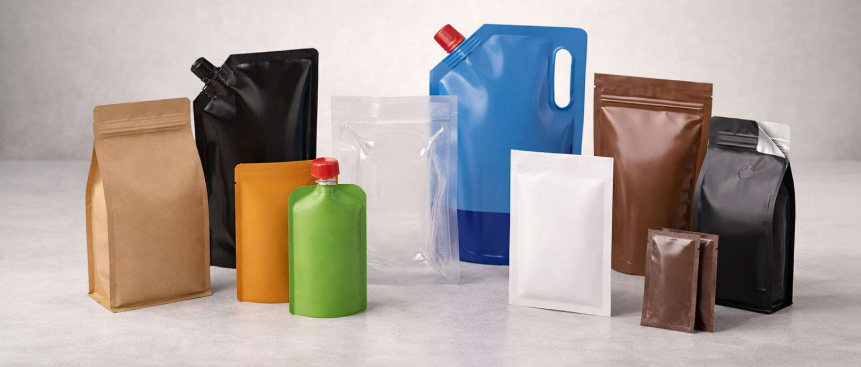
FMCG is currently adapting itself to the changing environment of consumer packaged goods. As FMCG companies increasingly move towards sustainability with environmentally friendly formats, recyclable flexible pouches are gaining popularity among both companies and consumers. Banyan Nation is a leader in developing recyclable packaging solutions made from high-quality recycled materials. Through continued development of its technology to maintain product integrity and reduce its eco-impact across the entire supply chain, the Company of the Future has accomplished a lot. This blog post will highlight the revolutionary potential of recyclable flexible packaging within the fast-moving consumer goods (FMCG) sector.
- The Rise of Flexible Pouches in FMCG
Flexible packaging has changed how brands deliver products to customers. Due to their low weight and adaptability to any item, flexible pouches provide significant functionality in package design – they can hold large quantities of items without taking up as much storage space as conventional rigid packaging solutions (e.g., glass jars, tin cans, and thick plastic pails).
Flexible pouches can be shaped, allowing them to be used as containers for a wide range of items, including snack foods, coffee makers, personal care items, and liquid cleaning products. Because of their lightweight nature, flexible pouches also reduce transportation costs and carbon footprint, as well as the overall space required to store them.
For a long time, recycling flexible pouches has been a problem due to the multi-layer construction used in many flexible packaging formats. These multi-layer constructions have made it difficult to recycle flexible pouches, so the end-of-life recoveries for flexible packaging have been very low.
In recent years, this growing environmental concern has led manufacturers and retailers to place greater emphasis on developing recyclability as a key design and material consideration for flexible packaging.
- The Importance of Sustainability
2.1 Changing Consumer Expectations
As more consumers become aware of environmental issues, they are seeking out products that align with their eco-friendly beliefs. Brands in the FMCG industry that don’t incorporate eco-friendly designs into their products will risk losing consumers to brands that do.
- Recyclability and refillability are key features for consumers.
- Consumer purchasing decisions are influenced by product sustainability claims.
- Consumer perceptions of packaging affect brand reputation.
When designed for recyclability, flexible pouches provide consumers with a convenient yet sustainable packing option.
- Rules and Policies Regulating Your Industry
There are regulations in many countries on how companies handle plastic waste. For instance, both state and federal governments are placing increasing “pressure” on manufacturers to produce packaging with a higher percentage of recycled material content and to make it more easily recyclable than before.
- Brands producing in countries such as India will also be subject to the Extended Producer Responsibility (“EPR”) regulations, which require brands to take responsibility for managing packaging waste after it has been used by consumers.
- Flexible pouches are a concern in this regard due to their lightweight design and their relative inability to be recycled in large quantities.
Transitioning to recyclable formats not only meets governmental/consumer expectations but also saves brands money on EPR fees and reduces future compliance risks.
- Why Is Flexible Pouch Packaging Recyclable?
The aspects that make flexible packaging recyclable hinge on design, material choice and structure, regardless of its intended contents.
Characteristics to Look For When Defining Recyclable Flexible Pouches:
- Mono-Material Construction – Using a single resin or polymer (such as polyethene (PE) or polypropylene (PP)) in the construction of the flexible pouch, rather than a combined/layered multi-resin laminate, will enable more accessible recovery of the materials used in the flexible pouch.
- Clear Resin Identification – Clear resin identification will assist recyclers in separating and processing the flexible pouch when they arrive at the recycling facility.
- Barrier Innovations—New high-barrier materials that do not impact the recyclability of the flexible pouch.
- Compatibility With Existing Recycling Streams – Flexible pouches that can be included as part of existing mechanical recycling programs.
The changes to these design characteristics have significantly increased the use of recyclable flexible packaging across many major FMCG categories.
- The Advantages of Recyclable Flexible Packaging for the FMCG
5.1. Environmental Consequences
Recyclable flexible pouches may drastically reduce the amount of plastic that ends up in landfills and oceans. Once these pouches are collected, sorted, and properly processed, they can eventually be reused as new materials rather than being wasted.
5.2. Material Usage Efficiency
- Flexible, recyclable pouches require less raw material than rigid containers like bottles or cans.
- They emit fewer greenhouse gases during shipment.
- They reduce reliance on new plastics.
5.3. Distinguishing a Brand
People are increasingly rewarding companies that demonstrate sustainable packaging through their use of flexible, recyclable pouches. Therefore, recyclability becomes an important aspect of each company’s sustainability “story.”
5.4. Cost Issues
Initial investments can be significant for creating recyclable products; however, long-term savings are achievable through scalable recycling technologies that reduce future material input costs and provide compliance benefits.
- Solutions to Challenges
Despite progress, issues remain:
- Inefficient collection: Flexible packaging is lightweight and, as a result, often gets missed during kerbside collections.
- Complex Sorting: Many current automated plant systems rely on conventional sorting methods, making it difficult to sort non-conventional-shaped or low-density materials.
- Market Development: Many areas do not currently have closed-loop recycling for flexible pouches; therefore, all pouches submitted to those locations would be sent to landfills or other disposal sites.
To address these challenges effectively, we need to innovate across design and labelling, waste collection, and recycling technology.
- The Role of Advanced Recycling For Packaging In The FMCG Sector
To realise the full potential of recyclable flexible packaging, investments in advanced recycling infrastructure are essential.
The Key Actions Are:
- To promote the use of advanced recycling by providing the necessary infrastructure to support the collection of post-consumer plastics.
- To integrate flexible pouches within traditional recycling programmes.
- To stimulate the development of both chemical and mechanical recycling processes able to produce high-value polymer materials.
Advanced recycling allows brands to close the loop on plastic use by turning waste into high-quality recycled resins for new packaging applications.
- Ways that Banyan Nation Supports Recyclable Flexible Packaging
Banyan Nation is one of the innovative companies that create recyclable options for the FMCG industry. They help brands by manufacturing and supplying high-quality recycled resins from used packaging, thereby enabling the redesign of packaging to make it more recyclable.
- Additionally, they provide advanced cleaning technologies that process recycled material to ensure it is contaminant-free, preserving the packaging’s performance characteristics.
- These recycled resins have been developed with a strong focus on traceability and quality.
As a result, they can enable brands to meet both their recycled-content goals and any laws governing recycled content while supporting broader environmental objectives.
Final Thought
Recyclable flexible pouches can be considered not simply a current packaging trend but also the answer to consumer demands, evolving regulations, and the need to improve the environment. Their lightweight nature, reduced carbon footprint, and the opportunity for high-quality recycling suggest that they will represent a strategic option for manufacturers of fast-moving consumer goods who want to balance acceptable performance with sustainability. Furthermore, companies like Banyan Nation play an important role in supporting FMCG manufacturers by supplying recycled materials and providing technical support that ensures products retain their quality and contribute to circular economies. Thus, as the FMCG sector continues to move towards recyclable flexible packaging, early adopters will be better positioned to lead this transition towards a more sustainable and robust future.
