

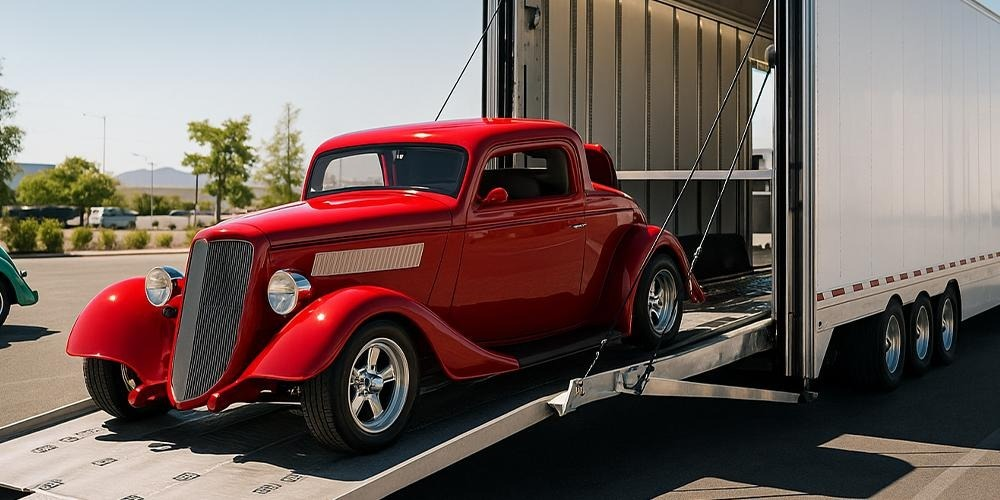
Shipping a classic car isn’t the same as shipping a daily driver. When you’re dealing with a high-value, rare, or fully restored vehicle, the margin for error is zero.
One of the biggest mistakes owners make is choosing the wrong transport method — usually open carriers — without fully understanding the risks.
If you want to protect your investment, you need a different approach. That starts with working only with enclosed vehicle transport companies and understanding exactly how to vet them.
Here’s how to ship a classic car safely across the country in 2026.
Why Open Carriers Fail for High-Value Vehicles
Open transport is the most common method used in the auto transport industry. It’s affordable, widely available, and works well for standard vehicles.
But for classic cars, it’s often the wrong choice.
Open carriers expose vehicles to:
- Road debris
- Weather conditions (rain, snow, UV exposure)
- Dust and dirt
- Temperature fluctuations
- Increased handling during loading/unloading
Even minor exposure can damage:
- Original paint
- Chrome finishes
- Rare bodywork
- Custom restorations
For collectors, even small imperfections can significantly reduce a vehicle’s value.
That’s why open carriers are generally not recommended for high-value or irreplaceable cars.
What Makes Enclosed Transport Different
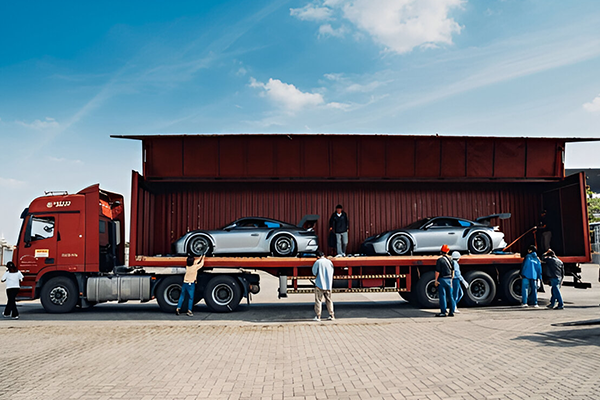
Enclosed transport protects vehicles inside a covered trailer, shielding them from external conditions.
This method is specifically designed for:
- Classic cars
- Exotic vehicles
- Luxury cars
- Collector vehicles
- High-end restorations
When working with enclosed vehicle transport companies, your vehicle is protected from:
- Weather exposure
- Road debris
- Environmental contaminants
- Unnecessary handling
In most cases, enclosed trailers carry fewer vehicles, which also reduces risk during loading and unloading.
The Importance of Cargo Insurance
Not all insurance policies are equal — and this is where many owners make a costly mistake.
When shipping a classic car, you should always:
Look for enclosed vehicle transport companies with cargo insurance above $100,000.
Why?
Because classic cars often exceed standard coverage limits.
A higher cargo insurance policy ensures:
- Better protection in case of damage
- More realistic coverage for high-value vehicles
- Stronger claims support if needed
Always verify:
- Insurance certificate
- Coverage limits
- What is included/excluded
- Claims process
Never assume coverage — always confirm it.
Hard-Side vs. Soft-Side Enclosed Trailers
Not all enclosed trailers are the same.
There are two main types:
Soft-Side Enclosed Trailers
- Use heavy-duty fabric sides
- Offer protection from weather
- Slightly more affordable
Hard-Side Enclosed Trailers
- Fully solid walls (metal or fiberglass)
- Maximum protection
- Preferred for high-value classic cars
If your vehicle has significant value, hard-side enclosed trailers are the safest option.
Lift Gate vs. Ramp Loading
Classic cars often have low ground clearance, which creates another risk during transport.
Standard ramps can cause:
- Scratches
- Undercarriage damage
- Alignment issues
That’s why many enclosed vehicle transport companies offer lift gate loading.
Lift gates:
- Raise the vehicle level
- Reduce angle stress
- Prevent undercarriage damage
For rare or restored vehicles, this feature is highly recommended.
Pre-Transport Preparation Checklist

Before handing over your vehicle, preparation is critical.
1. Clean the Vehicle
A clean car makes it easier to identify existing damage during inspection.
2. Document Condition
Take detailed, time-stamped photos:
- All sides of the vehicle
- Close-ups of paint and trim
- Wheels and undercarriage
3. Remove Personal Items
Most insurance policies do not cover items inside the vehicle.
4. Check for Leaks
Fluid leaks can delay transport or cause complications.
5. Disable Alarms
Avoid issues during transit.
Proper preparation protects both you and the carrier.
What to Look for in Enclosed Vehicle Transport Companies
Not all companies meet the standards required for classic cars.
When comparing providers, focus on:
Experience With Classic Vehicles
Ask if they regularly transport:
- Restored vehicles
- Auction cars
- Collector inventory
Carrier Network Quality
Strong networks mean access to better-equipped trailers and experienced drivers.
Insurance Transparency
Clear explanations of coverage and claims process are essential.
Communication
You should receive updates and clear timelines throughout the shipment.
Equipment Standards
Confirm:
- Enclosed trailer type
- Lift gate availability
- Tie-down methods
Why Broker Selection Still Matters
Even when using enclosed transport, the broker coordinating the shipment plays a major role.
A strong broker will:
- Match you with the right carrier
- Verify insurance coverage
- Ensure proper equipment is used
- Manage communication
- Reduce risk
One company many collectors research is Navi Auto Transport, which coordinates shipments through licensed carriers and offers access to enclosed transport options for high-value vehicles.
Common Mistakes to Avoid
When shipping a classic car, avoid:
- Choosing open transport to save money
- Accepting the lowest quote
- Skipping insurance verification
- Failing to document vehicle condition
- Ignoring equipment differences
- Booking last-minute
Each of these increases the risk of damage or delays.
Final Thoughts
Shipping a classic car across the country requires a completely different level of attention compared to standard vehicle transport.
Open carriers may be fine for everyday cars, but they fail to provide the protection high-value vehicles need.
The safest approach is to work only with enclosed vehicle transport companies that offer:
- high insurance coverage
- proper equipment
- experienced carriers
- transparent communication
Taking the time to choose the right transport method and provider ensures your vehicle arrives in the same condition it left — which is the only outcome that matters when dealing with a classic car.
