

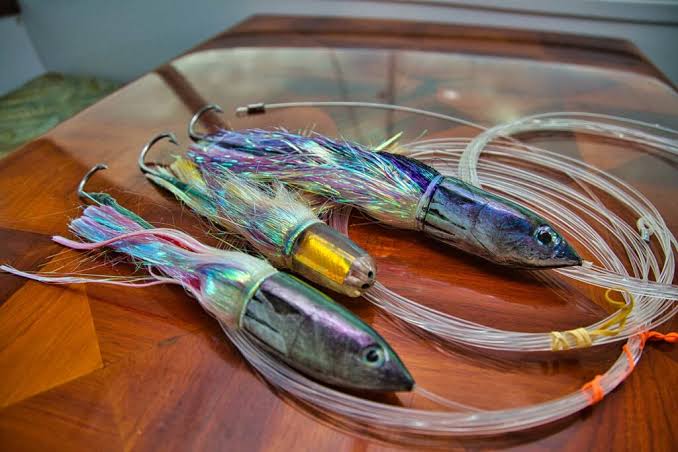
Walk into any tackle shop or browse an online fishing store, and it’s easy to feel overwhelmed. Rows of colorful trolling lures promise to catch marlin, tuna, mahi-mahi, and wahoo. Some are compact and simple, while others feature oversized heads, flashy skirts, and premium hardware with price tags to match.
For someone new to offshore trolling, the obvious question is:
“Which ones do I actually need?”
Many beginners make the same mistake. They assume that buying more lures or the most expensive ones will automatically improve their success. In reality, experienced anglers often catch more fish with a carefully selected collection of proven lures than with a tackle box full of random purchases.
Successful offshore fishing isn’t about owning every lure on the market. It’s about understanding why certain lures work, when to use them, and how they fit into your trolling spread.
The good news is that building an effective lure collection doesn’t have to be complicated or expensive. By focusing on a few essential characteristics and avoiding common buying mistakes, you can create a versatile setup capable of targeting a wide range of offshore species.
In this guide, we’ll explain what makes a quality offshore trolling lure, which features beginners should prioritize, and how to build a practical lure collection that grows with your experience.
Why Beginners Often Buy the Wrong Lures
Most first-time offshore anglers buy with their eyes.
Bright colors, oversized lure heads, and impressive marketing claims naturally attract attention. While appearance plays a role, it’s rarely the most important factor.
Experienced anglers evaluate lures differently.
Instead of asking:
“Which lure looks the best?”
They ask:
- Will it swim consistently?
- Is it built with durable materials?
- Does it match my target species?
- Can I rig it properly?
- Will it perform in different sea conditions?
Answering these questions usually leads to smarter purchasing decisions than choosing based on appearance alone.
What Makes a Great Offshore Trolling Lure?
Not every lure is designed for the same purpose. Some excel in calm water, while others remain stable in rough offshore conditions.
When choosing your first trolling lures, pay close attention to these characteristics.
Reliable Swimming Action
The most attractive lure in the world won’t catch many fish if it doesn’t swim naturally.
A quality trolling lure should produce a predictable action that remains consistent even when sea conditions change. It should dive, surface, and create an appealing smoke trail without constantly spinning or skipping across the surface.
Reliable action builds confidence because you spend less time adjusting your spread and more time fishing.
Durable Construction
Offshore fish place tremendous pressure on equipment.
Yellowfin tuna make long, powerful runs. Wahoo strikes at incredible speed. Blue marlin can test every connection between the lure and your reel.
Quality lures should feature:
- Strong lure heads
- Durable skirts
- Corrosion-resistant hardware
- Premium hook compatibility
- Consistent manufacturing
Investing in well-built lures often saves money over time because they continue performing trip after trip.
Easy to Rig
Complicated lure setups can frustrate beginners.
Choose lures that are straightforward to rig and tune. A simple setup makes it easier to learn proper hook alignment, leader selection, and lure placement before experimenting with more advanced configurations.
As your confidence grows, you can expand your collection and refine your techniques.
Match Lures to Your Target Species
A common misconception is that one lure works equally well for every offshore fish.
While some versatile designs catch multiple species, different predators often respond better to different lure sizes, profiles, and presentations.
Yellowfin Tuna
Yellowfin frequently feed on flying fish, sardines, squid, and other schooling baitfish. Medium-sized trolling lures with clean swimming action are often an excellent starting point for anglers targeting tuna.
Blue Marlin
Blue marlin typically respond well to larger lures that produce a noticeable surface disturbance. A properly tuned marlin lure should remain stable while creating enough movement to attract attention from below.
Mahi-Mahi
Mahi-mahi are aggressive and curious. They often investigate bright, active lures, particularly around floating weed lines or debris where baitfish gather.
Wahoo
Wahoo are among the fastest predators in the ocean.Choose lures capable of maintaining stable action at higher trolling speeds without rolling or losing their swimming pattern.
Build a Small Collection Before Buying More
One of the smartest decisions a beginner can make is resisting the urge to buy dozens of lures.Instead, start with a balanced collection that covers different conditions.A practical starter selection may include:
- A natural baitfish pattern
- A bright attractor color
- A dark silhouette for low-light conditions
- One slightly larger lure
- One smaller lure
This combination provides flexibility without unnecessary expense.As you gain experience, you’ll discover which styles perform best in your local waters.
Quality Is More Important Than Quantity
Many successful offshore anglers still fish with some of the same trusted lures they’ve owned for years. Rather than constantly replacing equipment, they maintain a smaller collection of dependable lures they understand completely. Learning how each lure behaves in different conditions is often more valuable than purchasing another one you’ve never tested.
How Many Offshore Trolling Lures Do You Really Need?
One of the first questions new offshore anglers ask is, “How many lures should I buy?”
The answer is usually fewer than you think.
It’s tempting to fill your tackle bag with dozens of colors and lure shapes, but that often creates confusion instead of improving results. Experienced captains don’t rely on having the biggest collection, they rely on understanding the lures they already own.
A small selection of proven lures is enough to fish confidently in a variety of offshore conditions.
A practical beginner setup might include:
- Two natural baitfish patterns for clear water and bright days.
- Two bright attractor colors for overcast conditions or stained water.
- One darker lure for dawn, dusk, or low-light situations.
- One larger lure to target bigger predators such as blue marlin.
- One smaller lure for school-sized tuna or mahi-mahi.
This combination gives you enough flexibility to experiment without becoming overwhelmed.
As you gain experience, your tackle collection should grow based on what works in your local waters not simply because a new lure catches your eye.
Building Your First Trolling Spread
A balanced trolling spread is just as important as choosing quality lures.
Many beginners make the mistake of running four or five identical lures because they assume that if one works, several must work even better.
In reality, every lure should have a purpose.
A well-planned spread allows you to test different presentations while covering more of the water behind the boat.
For example, you might troll:
- A larger lure close to the boat to create surface disturbance.
- Two medium-sized lures in clean water just behind the prop wash.
- A smaller lure farther back to imitate a separated baitfish.
This arrangement presents fish with different targets and helps you identify which lure size or position is producing the most strikes.
Once a particular lure starts getting consistent bites, you can make small adjustments to the rest of your spread instead of changing everything at once.
Common Mistakes Beginners Make When Buying Lures
Buying Based Only on Color
Bright colors attract anglers just as easily as they attract fish.
Color matters, but it should never be your only deciding factor. Swimming action, construction quality, and proper rigging have a much greater influence on success.
Ignoring Build Quality
Budget lures may seem like a bargain until they fail after a few trips.
Weak skirts, poor-quality hardware, or inconsistent lure heads can affect performance long before you hook your first fish.
Choosing dependable equipment often costs less over time because it lasts longer and performs more consistently.
Purchasing Every New Trend
Every season introduces new lure designs claiming to outperform everything that came before.
While innovation has its place, experienced anglers know that proven lure designs continue catching fish year after year.
Instead of chasing trends, focus on mastering a few dependable lures before expanding your collection.
Forgetting About Rigging
Even the highest-quality lure won’t perform well if it’s rigged incorrectly.
Before heading offshore, take the time to inspect your leaders, hooks, and lure alignment. Proper preparation ensures your lures swim naturally and increases your chances of turning a strike into a successful hookup.
Captain’s Pro Tips
One habit shared by successful offshore anglers is keeping detailed notes after every trip.
Record information such as:
- Water temperature
- Weather conditions
- Productive lure colors
- Trolling speed
- Target species
- Location
- Sea conditions
Over time, you’ll notice patterns that help you make smarter decisions before the next trip even begins.
Another valuable habit is to resist making unnecessary changes.
If one lure is consistently producing fish, don’t immediately replace the others. Observe why it’s working first. Small adjustments based on evidence usually outperform constant experimentation.
Frequently Asked Questions
What is the best offshore trolling lure for beginners?
Rather than searching for one “perfect” lure, beginners should build a small collection of dependable lures in different sizes and colors. This provides flexibility for changing conditions and target species.
How many trolling lures should I carry offshore?
A carefully selected collection of six to eight quality lures is enough for many recreational anglers. As your experience grows, you can expand your collection based on the species and conditions you encounter most often.
Are expensive trolling lures worth it?
Higher-quality lures often provide better durability, more consistent swimming action, and stronger components. While they may cost more initially, they frequently deliver better long-term value than replacing lower-quality lures.
Should beginners target multiple species with the same lure?
Some versatile lure designs can attract tuna, mahi-mahi, and other pelagic fish. However, matching lure size, action, and presentation to your primary target species generally produces more consistent results.
Conclusion
Choosing your first offshore trolling lures doesn’t have to be complicated.Instead of chasing every new product on the market, focus on building a small collection of dependable lures that suit your target species and local fishing conditions. Learn how each lure behaves in the water, experiment with your trolling spread, and make adjustments based on experience rather than guesswork.
Remember, successful offshore anglers rarely rely on luck. They rely on preparation, observation, and confidence in the equipment they’ve carefully selected.As your skills grow, your tackle collection will naturally evolve but a strong foundation of quality lures and sound techniques will continue serving you for years to come.
