

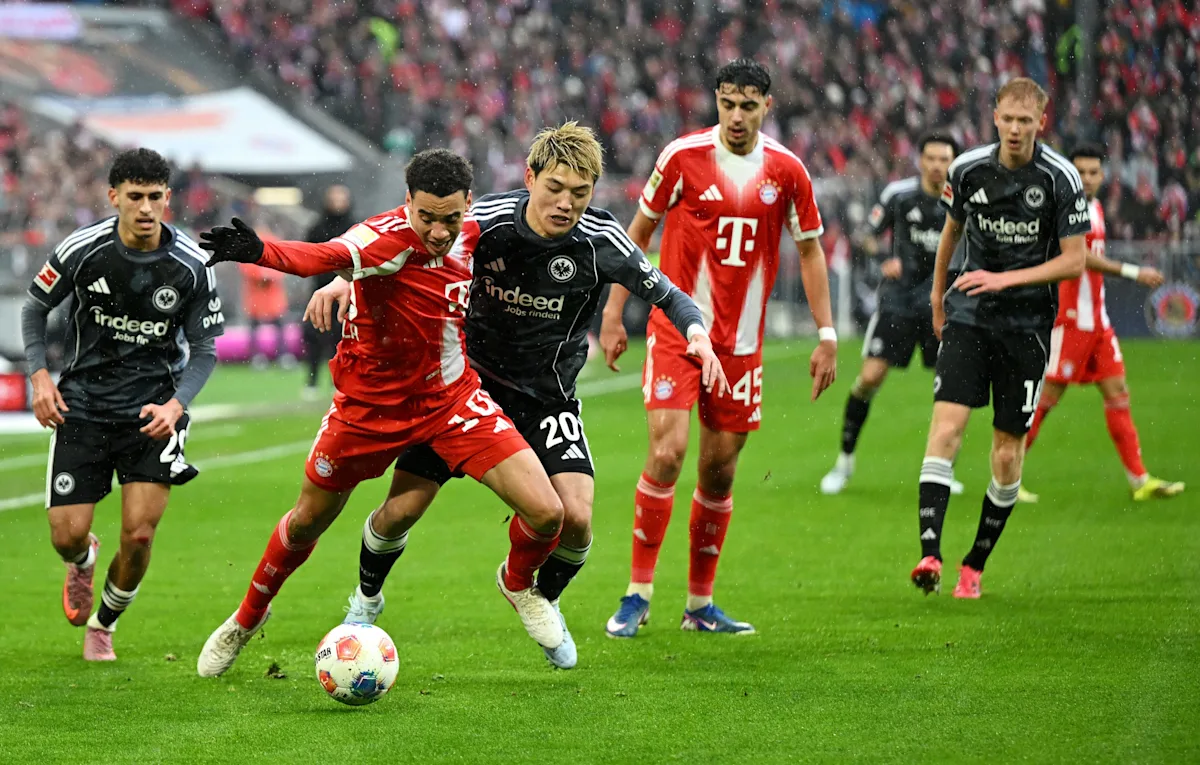
Focusing on smaller clubs in the 2022/2023 Bundesliga season often gave bettors better value than chasing the giants at compressed odds. While the title race drew headlines, the real edge frequently emerged in matches involving mid- and lower-table sides whose underlying performances were stronger than their reputations suggested. Understanding which “small” teams combined tactical coherence, consistent effort and favourable pricing helped turn emotional support into structured betting decisions instead of pure sentiment.
Why Smaller Bundesliga Teams Can Offer Better Betting Edges
Smaller clubs tend to be priced more heavily on name recognition and historical status than on up-to-date tactical and statistical evidence, creating potential misalignments between odds and reality. When a perceived underdog has a stable game model, clear strengths and a coach who maximises limited resources, markets can lag in fully recognising that resilience. For bettors, this means that the gap between performance and reputation becomes a source of value, especially in double-chance markets, handicap lines and home fixtures against distracted or rotated favourites.
Defining “Smaller” Teams in the 2022/23 Context
In 2022/23, “small” did not simply mean occupying the bottom of the table; it referred to clubs with modest budgets or lower global visibility that still operated effectively. Teams such as Freiburg and Mainz, while finishing mid-table or higher, retained the profile of resource-limited sides compared with traditional heavyweights, and others like Werder Bremen or Augsburg fought primarily to avoid the drop. For bettors, grouping these clubs required looking at wage bills, historical expectations and media attention, not just final league position, because markets often shadow those softer signals when shaping odds.
Freiburg: The Structured “Small Club” with Big Stability
Although Freiburg finished in the upper half and pushed towards European places, they remained a textbook example of a smaller club punching above its weight. Under long-time coach Christian Streich, Freiburg relied on coherent organisation, careful transfer work and strong set-piece routines rather than financial firepower, turning a limited budget into repeatable results. For bettors, that stability meant Freiburg frequently delivered performances that matched or exceeded expectations, particularly at home, where their compact shape and tactical discipline reduced match randomness and made conservative bets more predictable.
Conditional Scenarios Where Freiburg Became Appealing
Freiburg’s profile was especially attractive pre-match when facing technically stronger but impatient opponents who struggled to break down tight defensive blocks. In those conditions, Freiburg’s ability to defend deep, exploit transitions and maximise dead-ball situations increased the probability of low-scoring contests or narrow wins as underdogs or slight outsiders. This combination of defensive reliability and set-piece threat meant that, whenever odds treated them as significantly inferior, bettors could rationally side with them through double-chance, Asian handicaps or unders, accepting that their method reduced exposure to chaotic, end-to-end exchanges.
Mainz 05 and Augsburg: Functional Sides With Situational Value
Mainz and Augsburg operated further from the spotlight yet repeatedly showed they could frustrate bigger names and accumulate points across the season. Mainz finished in the mid-table range, with a goal difference around level, reflecting a team that balanced solid structure with enough attacking punch to avoid long losing stretches. Augsburg, meanwhile, hovered near the relegation battle but ultimately survived, indicating that at key moments they produced effective, result-focused performances even if the overall quality level remained modest.
Smaller 2022/23 Teams and Their Betting-Relevant Traits
| Team | League zone in 2022/23 | Core strength | Main risk | Betting implication |
| Freiburg | Upper half / European chase | Structured defending and set pieces | Limited squad depth | Favourable in cautious markets and home fixtures |
| Mainz 05 | Mid-table | Work-rate and coherent pressing | Inconsistent finishing | Viable as underdogs when pressing can disrupt build-up |
| Augsburg | Lower mid-table / survival fight | Pragmatic, direct approach | Long defensive pressure spells | Selective value in home games versus mid-tier visitors |
This comparison highlights that “smaller” does not mean identical; each club’s path to survival or overperformance followed a specific tactical and psychological pattern. Bettors who recognised those distinctions could align their wagers with the teams’ natural game scripts instead of treating all underdogs as random, high-risk propositions. In practical terms, that meant Freiburg anchored disciplined positions, Mainz rewarded spots where pressing mattered most, and Augsburg required careful selection of fixtures where their direct style could unsettle opponents without exposing them to relentless pressure.
Reading Risk and Reward Around Relegation-Strugglers
While some underdogs offered structured value, others presented more speculative opportunities due to extreme volatility. Clubs hovering around the relegation zone—such as Bochum, Schalke 04 and Stuttgart—spent parts of the season as bottom dwellers, with long periods of poor form broken by sudden bursts of results. The league’s relegation race was historically tight late in the campaign, with several teams clustered around similar point totals, which created short windows where improved performances briefly outpaced how quickly odds adjusted.
Mechanism: When Desperation Boosts Short-Term Betting Appeal
In relegation battles, desperation can temporarily sharpen intensity, leading to runs of strong home performances even from otherwise struggling sides. The mechanism for bettors is that, when market expectations remain anchored to season-long mediocrity, these concentrated periods of heightened effort and tactical simplification can yield valuable prices on double-chance or low-goal lines, particularly in six-point matches against fellow strugglers. However, because underlying quality remains limited, the impact is typically short-lived, so sticking with these teams for too long after the initial surge often erodes earlier gains.
Identifying Value Through UFABET’s Market Behaviour
When underdog teams begin to string together respectable results, it becomes essential to distinguish genuine structural improvement from temporary variance. In those situations, observing how odds move inside ufabet168 can help reveal whether the broader betting public is overcorrecting to a few good performances or still undervaluing a club’s new stability. If a small team’s price tightens dramatically with minimal change in underlying metrics, that compression suggests sentiment rather than data is driving the shift, which reduces value. Conversely, if odds remain generous despite tactical upgrades—such as improved defensive shape or more efficient set-piece routines—disciplined bettors can justify selective backing before the market fully recalibrates.
Drawing Parallels With casino online Risk Thinking
Evaluating smaller Bundesliga teams from a betting perspective mirrors the probabilistic mindset required in other gambling settings. In environments built around repeated decisions, experience within casino online contexts teaches that apparent underdogs or low-probability outcomes can still become rational choices when the payout compensates for risk. Applied to clubs like Freiburg, Mainz or an in-form relegation fighter, the core idea is to focus on expected value: a modestly talented side with a coherent plan facing an overrated opponent at attractive odds may, over time, yield better returns than constantly backing favourites at prices that leave little margin for error. The failure case emerges when bettors conflate emotional attachment to “plucky” teams with hard-edged analysis, overbetting storylines without sufficient statistical backing.
Summary
Viewing the 2022/2023 Bundesliga through an underdog lens shows that several smaller teams offered structured, context-dependent betting appeal. Freiburg’s organised defending and set-piece strength, combined with Streich’s long-term guidance, made them a sustainable candidate for cautious, value-focused positions, while Mainz and Augsburg provided situational opportunities when their intensity and pragmatism matched up well with specific opponents. At the same time, relegation-threatened sides occasionally generated short bursts of value under pressure, though their long-term limitations required strict selectivity. For bettors, the key takeaway is that supporting “small” Bundesliga teams becomes rational when tactical clarity, effort levels and pricing align—turning emotional support into a disciplined, probability-driven edge rather than a hopeful punt.
